Recent Articles

Harvard Health Blog

Read posts from experts at Harvard Health Publishing covering a variety of health topics and perspectives on medical news.

 
Coffee is nearly a national obsession in the United States. For years, experts have debated whether drinking coffee is good for you. Recently published research suggests that regular, moderate coffee consumption is associated with a lower risk of overall mortality, and that heavy consumption of coffee isn’t linked with a greater risk of death.
Many people believe that the human tendency to want to act for the greater good is rooted in kindness. But research suggests that altruism may have evolved alongside the impulse to condemn and even chasten those put self-interests first.
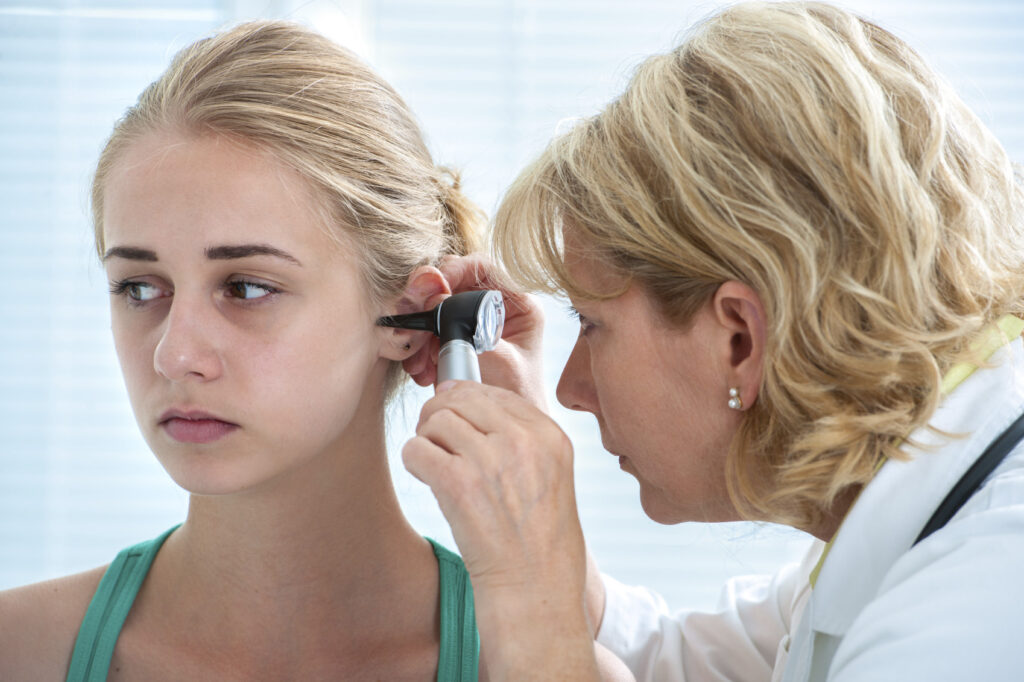
Each year, the American Academy of Pediatrics updates it recommendations for well-child visits. The latest version emphasizes screening adolescents for high cholesterol, drug and alcohol abuse, depression, and HIV. Many families may feel that their children don’t need these “checks,” but when it comes to the health and well-being of children, it’s always better to be safe than sorry.
Prenatal yoga is typically gentle, with certain poses modified or avoided depending on the stage of pregnancy. But a new study, published recently in the journal Obstetrics and Gynecology, provides encouraging results that many yoga poses can be safe even during late stages of pregnancy.
Recently, a Harvard Heart Lettersubscriber emailed us a question: Is there a difference between farm-raised and wild-caught salmon in terms of omega-3 fatty acid content?
It used to be that prostate cancer screening was routine for men over the age of 50. Positive results on the prostate-specific antigen (PSA) test would trigger a biopsy, and findings of cancer would lead almost inevitably to treatment.
Traveling with your children can be a great way to explore new places, spend time together as a family, and visit with those friends and family members who don’t live nearby. To have the safest and healthiest trip possible, keep in mind these travel tips.
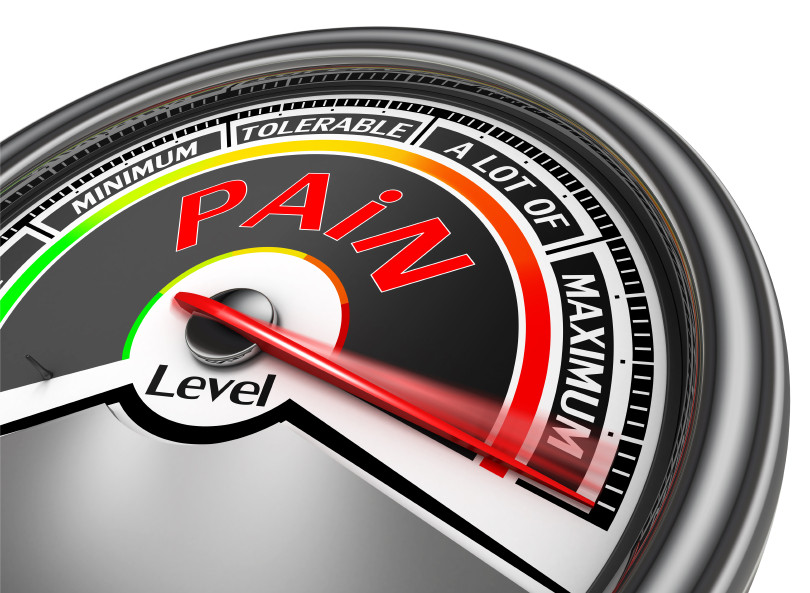
It makes sense that the primary goal of pain treatment should be to reduce pain. However, a recent editorial in The New England Journal of Medicine makes a strong case for looking beyond pain intensity when evaluating what is “successful” pain management.
In the United States, depression is the top cause of disability, but only 21% of patients diagnosed with major depression get treatment that meets the guidelines of the American Psychiatric Association. Of people seeking depression treatment, those who’d like to be treated with live psychotherapy outnumber those who’d like to be treated with medication three to one, but those who want live therapy often don’t receive it. Access to psychotherapy is limited by the number of professionals in one’s region, cost, and logistics — not to mention stigma. And when people do get therapy, therapists may not provide care that is evidence-based.

When I was growing up, my doctor still made house calls when we were too sick to get to his office. But he stopped visiting people at home long before he retired. Both he and his patients realized they were perhaps better served by going to his clean, well-equipped office for whatever care they needed.
I was traveling by air recently and eating my usual “lunch on the go”—a protein bar and an apple. Across the aisle, I noticed another passenger eating a candy bar. It made me think about recent studies documenting the deplorable state of the average American diet, and the rising rates of obesity.
Billy Joel was on to something. As the singer-songwriter suggested in “Movin’ Out,” working too hard really can give you a “heart attack-ack-ack…” And, as a recent study has also shown, stroke may be an even bigger problem than heart attack in people who are overworked.
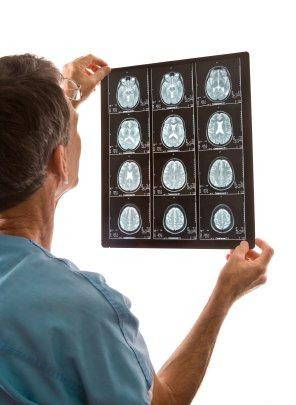
Half a century ago, physicians had few options for diagnostic tests to obtain images of the body. Worried about a brain tumor? A physician might order a pneumo-encephalogram (PEG), which entailed injecting air into the spinal cord and taking x-rays of the head, hoping to spot an abnormality. Tests like these were painful and ineffective, leading physicians to shy away from excessive imaging. The last five decades have seen dramatic progress in technology and innovation, but not without consequences.
Pediatricians and child behavior specialists who work with teens know that adolescence is an incredibly important time for social growth. Yet these years can be fraught with anxiety for the parents of teens. How will you know if your moody teen is hanging out with the right people? Which friends might be a bad influence? How can you help your son or daughter develop healthy relationships?
The oral anticoagulant warfarin (Coumadin) became available for prescription in 1954. This anti-clotting drug commanded national attention when President Dwight Eisenhower received the drug as part of his treatment following a heart attack. No other oral anticoagulant was successfully developed and marketed in the United States until 2010.
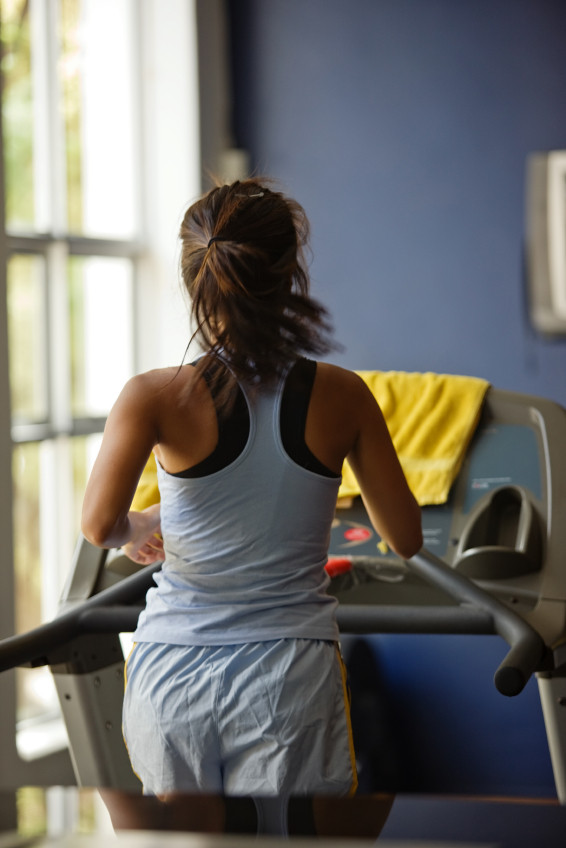
Regular exercise is one of the cornerstones for maintaining good health. Regular physical activity helps to prevent heart and blood vessel disease, diabetes, dementia, and even some types of cancer. But while the health benefits of exercise are indisputable, there is still a question about exactly how much exercise is needed to promote optimal health.
According to an estimate from the Institute of Medicine, up to 20% of all motor vehicle crashes are related to drowsy driving. A panel of experts recently concluded that anyone who has slept less than two hours in the previous 24 hours is not fit to drive. This is only a rough guideline, however, because the relationship between sleep and safe driving is complex. (For example, a pre-existing sleep debt and driving at night increase the effects of drowsiness.) In general, driving while sleep-deprived is a dangerous undertaking for you — and others on the road with you.
I learned early on in my career that loneliness affects the dinner table. I was a young TV news anchor at the time, and one day, an elderly woman walked up to me in a store and said, “I live alone, but I eat dinner with you every night.” It was the first of many times that I would hear those words. It was always humbling, and it instilled an extra sense of responsibility in me at 6 o’clock every evening.
You may have heard of the “2-hour rule,” a guideline from the American Academy of Pediatrics (AAP) that states children should get no more than 2 hours of “screen time” a day (and none at all for those under age 2). But given the sheer amount of handheld devices available today, not to mention the increasing need for children to use technology to do homework and talk with their friends, does the rule still apply? Recently, the AAP released 10 tips to help parents navigate the digital age. We’ve explained them all here.
Statins are powerful, unusual, and, like El Niño and Tom Cruise, not well understood. Statins have a huge upside. They improve survival after heart attacks and lower the risk of recurrent strokes. They are also the only cholesterol-lowering medications that have been clearly shown to reduce heart attacks and deaths in high-risk patients without heart disease. In addition to reducing cholesterol, statins also lower levels of inflammation in the body. Reducing inflammation probably helps statins to prevent heart attack and stroke. However, evidence is emerging that these statin effects may also have a downside, hindering the ability of the immune system to fight infections.
Whether this time of year brings gift-giving rituals in your household or not, it’s a good reminder to practice the “skill” of gratitude. Even young children can learn to focus on what they have instead of what they lack. Practicing gratitude is more than a social grace. Research suggests it can help your child build resilience and it is associated with greater happiness in life. Dr. Claire McCarthy shares her tips for helping your child cultivate the skill of gratitude.
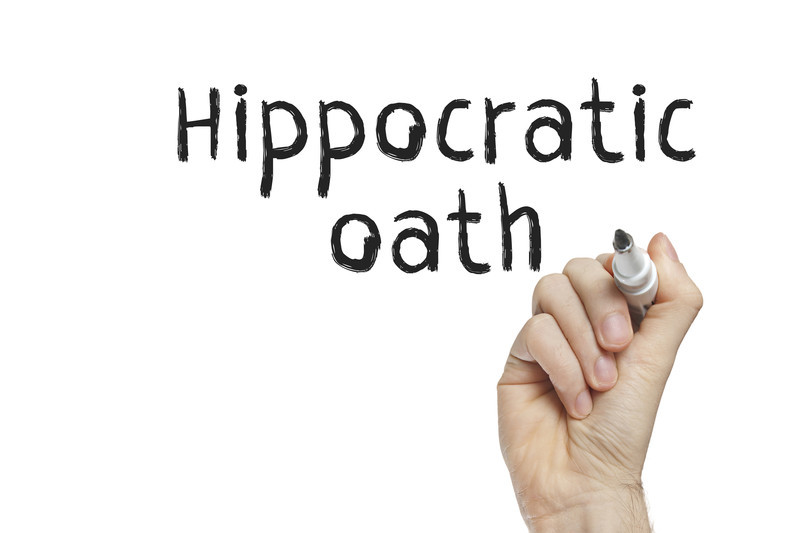
Soon after his shootout with police in 2013, one of the suspected Boston Marathon bombers was taken to an area hospital with serious injuries. A reporter covering the story described how, despite the heinous crimes of which he’d been accused, doctors would work hard to save his life because they’d taken an oath to do so. I knew she was referring to the Hippocratic Oath. But I also knew she was wrong.
Eating without awareness can lead to overeating and take away much of the pleasure that can be found in your meals. During the holidays, it can easily cause you to overindulge. Taking a mindful approach to meals by slowing down and savoring the experience can not only help with weight control, but also enhance health and well-being — as well as your enjoyment of the meal.
In the 1890s, a Shakespearean actor named Frederick Matthias Alexander set out to discover why he often lost his voice when he performed. (Imagine yourself as a Shakespearean actor, completely dependent on your voice to pay your bills, finding yourself without a voice just when you needed to perform!) Needless to say, Alexander had to figure out why this was happening.

Free Healthbeat Signup

Get the latest in health news delivered to your inbox!

Stay on top of latest health news from Harvard Medical School.

Plus, get a FREE copy of the Best Diets for Cognitive Fitness.

This site is protected by reCAPTCHA and the Google Privacy Policy and Terms of Service apply.