Harvard Health Blog
Read posts from experts at Harvard Health Publishing covering a variety of health topics and perspectives on medical news.
If you’ve never heard of the Nordic diet, you might imagine a plate of those Swedish meatballs sold at Ikea. But in fact, this eating style focuses on healthier fare, including plenty of plant-based foods that nutritionists always encourage us to eat. And while the data are limited so far, several studies suggest following a Nordic eating pattern may foster weight loss and lower blood pressure.
Results from a recent study show that people enrolled in a mind-body relaxation program (that included yoga, meditation, mindfulness, and cognitive behavioral skills) used 43% fewer medical services than they did the previous year, saving on average $2,360 per person in emergency room visits alone. But you don’t need to participate in a formal program to reap the many benefits of these practices. Many of them can be learned and practiced at home.
Gout is the most common type of inflammatory arthritis and affects more than 8 million adults. Men are at a higher risk than women. And according to a new study, your risk for gout also climbs if you suffer from sleep apnea, a condition where your breathing repeatedly pauses while you sleep.
You have probably heard about the new cholesterol-lowering drugs Praluent and Repatha, approved by the FDA within the last few weeks. Maybe you’ve even begun taking one of them yourself.
You’ve probably seen parents handing a smartphone or tablet to their young children to entertain them when they need to be quiet or patient. A recent study confirms what you’ve probably suspected: that most children use mobile devices every day. But widespread use of these devices cuts into time that kids could spend interacting with adults, which is crucial for brain development. The next time you’re tempted to hand over the smartphone, try a quick game instead.
The need to support injured soldiers dates back to our country’s earliest days. That mission remains essential today. Those who may be eligible for VA benefits and services — veterans and their family or survivors — make up a quarter of the United States’ population. Individuals seeking care through the Department of Veterans Affairs deserve a thoughtful and compassionate evaluation to not only compensate them for their service, but connect them with the care they need.
Many public figures have begun speaking up about their experiences with miscarriage. While it’s wonderful that they’re breaking the silence, a recent survey has revealed that the general public still has a lot of misconceptions about this surprisingly common event. Dr. Hope Ricciotti shares her reactions to the survey results, and her advice to women experiencing miscarriage.
Formally published results of the SPRINT trial confirm the early conclusions released in September. A target systolic blood pressure (the top number) of 120 mm Hg or less offers real health benefits, including a lower risk for cardiovascular problems and even death. Even if you don’t have high blood pressure, the results are so compelling that everyone should know his or her blood pressure and develop a plan with a primary care physician to achieve and maintain the “ideal” blood pressure for them.
A new study confirms that active surveillance is a safe and reasonable alternative to immediate treatment for prostate cancer. In recently published study that followed 1,300 men, the prostate cancer survival rate after 10-15 years of active surveillance, was 99%. For some men, a strong discomfort with “living with cancer” may steer them away from postponing treatment in favor of careful monitoring.
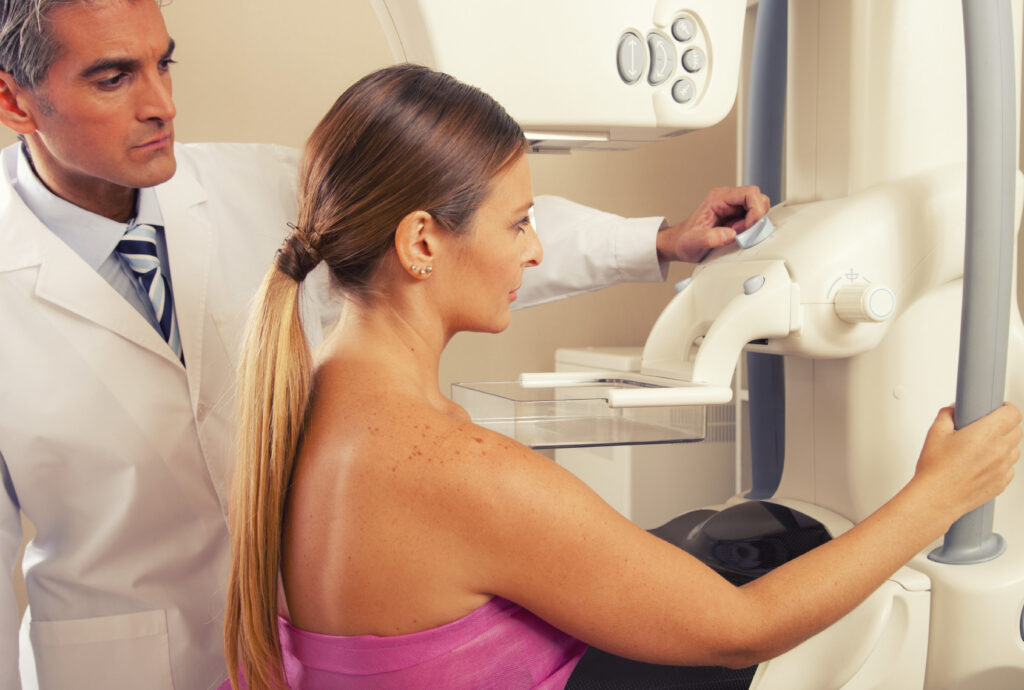
The last time I had a mammogram, I got a big surprise — and it was a good one. A string quartet was playing just outside the doors of the breast imaging center, and my thoughts immediately shifted from “What are they going to find on the mammogram?” to “Is that Schubert, or Beethoven?” By the time my name was called, I had almost forgotten why I was there.
What if you could get what a psychologist offers without actually having to see one? Many people enjoy the warm, caring relationship provided by a mental health clinician, but others simply want to get better. Many people would rather not open up to another person about their problems — at least, not in person. Plus, seeing a mental health clinician can be inconvenient and expensive — and there might not even be any nearby.
Perhaps this escaped you, but your neck is an amazing thing. At the very top, it houses a rock-hard cage — the cervical vertebrae —that contains and protects the top of the spinal cord, connecting your brain to the rest of your body. Despite this, the neck is fully mobile, allowing you to turn, bend, and nod your head. Then there are the blood vessels, the esophagus, the windpipe, and the thyroid (among other structures). And, of course, day in and day out, your neck carries around the equivalent of a bowling ball — your 11-pound skull and its contents. No wonder, then, that sometimes the neck gets sore.

My friend Betty is one of the most impressive seniors I’ve ever known. At 88, her voice is strong and her heart is young, and she seems to have as much energy and enthusiasm as she did in 1982, when I first met her. She exercises, goes out with friends, gardens, pays her own bills, follows the news, and is constantly reading and asking questions. How does she stay so sharp? “I guess I’m just a curious person, kiddo,” she laughs.
Recent news reports of a study of sleep duration in geographically isolated societies in Africa and South America suggest that Americans are actually getting plenty of sleep because members of these tribes spend about the same amount of time asleep each night as people in modern societies. These controversial findings will be debated, but are not relevant to the widespread sleep deficit and associated health consequences in more modern societies.
Symptoms of attention deficit hyperactivity disorder (ADHD) and autism can resemble each other. In fact, it can be difficult to tell the two conditions apart, which can lead to delays in the correct diagnosis — and therefore missed opportunities for treatment. If your child is diagnosed with ADHD, ask your pediatrician about testing for autism as well. The earlier a child with autism receives treatment, the better the outcome he or she will have.
Pain. It’s a nearly unavoidable part of the human experience. Whether it comes as the result of an injury or accident, surgery, or a health issue such as a headache or infection, arthritis, or fibromyalgia, pain can interfere with the ability to sleep, work, and enjoy life.
In the United States, annual physicals are part of the fabric of our health care system. For adults, even perfectly healthy ones, an annual visit to the doctor has long been considered to be the foundation of good care. But recently, experts have begun questioning whether our collective belief in this ritual is reasonable. Are the benefits of annual care actually as great as we think? Can patients get the benefits of the yearly checkup in other ways?
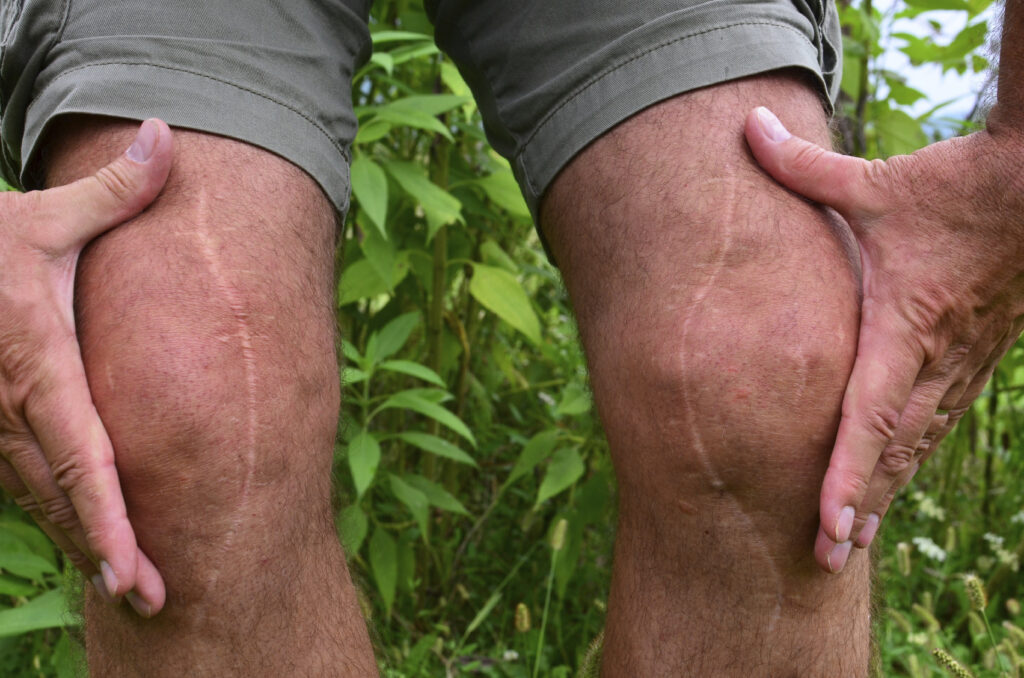
If arthritis in your knee means you can’t do everything you want, whether that’s walking the dog or playing a game of tennis, you may be considering a knee replacement. But are the benefits “as advertised”? A study published in The New England Journal of Medicine suggests that they may be, but it’s more important to weigh the risks and benefits with your personal preferences in mind.
The high cost of prescription drugs is big news. You hear about it on television, in your doctor’s office, and even on the campaign trail. When you think about expensive drugs, you may think about novel therapies for lung cancer or hepatitis C. But in fact, prices are also skyrocketing for the generic versions of some commonly prescribed drugs.
Women can wait until age 45 to start getting annual mammograms and cut back to every other year once they turn 55, according to new breast cancer screening guidelines from the American Cancer Society.
Many women think an occasional drink during pregnancy poses no harm, but a recent report suggests that no amount of alcohol is safe for the developing fetus. Alcohol affects the development of many organs, most notably the brain. While fetal alcohol syndrome, the most severe form of alcohol-induced damage, is unlikely to result from an occasional drink, researchers are finding that smaller amounts of alcohol can still have a negative effect. For that reason, no alcohol at all is safest when you’re pregnant or plan to conceive. If you’d like help cutting back on alcohol, don’t be embarrassed to talk with your doctor about it—she or he can help.
If you’re the parent of a teenager, how much do you know about the online life of your child? Probably not as much as you think you do. A recent study examined the social media lives of eighth graders from across the country. Results revealed unexpected habits, for example, kids spent more time watching and reading what others did online rather than engaging in social media. What’s more, many parents underestimate the negative emotions and problematic behavior teenagers experience as a result of social media and life online.
This week, researchers at Harvard reported a potent way to keep the doctor away. And it isn’t an apple a day or a new drug — it’s a life skill called resilience. It’s the adult equivalent of crashing into a hedge during your first bike ride without training wheels, shaking the leaves and dirt from your hair, and thinking, “Okay, that wasn’t too bad. Let me try that again.”
For many people, a healthy lifestyle means more than eating a good diet and getting enough exercise — vitamins, supplements, and complementary nutritional products are also part of the plan. But though there is much publicity about their potential benefits, there is less awareness of their possible harmful effects.