Recent Articles

Harvard Health Blog

Read posts from experts at Harvard Health Publishing covering a variety of health topics and perspectives on medical news.

 
My elderly dad is sporting a cool new mobile device these days, complete with a sleek design and an aluminum cover. It’s not a smartphone or a laptop or a tablet; it’s a medical alert system, a one-button gadget that can summon emergency help. “Many older people who live alone embrace the devices, because they worry how they would get help if they fell and couldn’t get to a phone. And it’s reassuring for their kids to know there’s a backup system in place,” says geriatrician Dr. Suzanne Salamon, assistant professor at Harvard Medical School.
Many older adults take PPIs to treat heartburn, GERD, or stomach ulcers. Recently, a new study identified a link between chronic PPI use and an increased risk for dementia. If you take a PPI, check in with your doctor — you may be able to take it only when you have symptoms, not continuously (and this kind of usage was not associated with a dramatically increased dementia risk in the study).
A recent study that tracked healthy volunteers’ exercise and drinking habits found that they tended to drink more on days when they exercised more. But this study might have had drastically different results if conducted with different groups. For example, what results might we see if the volunteers were sedentary people looking to exercise more — or people with unhealthy drinking patterns who were working to cut back?
Ask anyone who’s ever tried to make a healthy change — after a while, the motivation to keep at it just stops. Indeed, it can be incredibly hard to break old habits, or make new ones. But research has revealed that there are actually two different types of rewards in the brain — and that focusing on the less commonly pursued of the two can help you make lasting changes.
Hormonal therapy, also known as androgen-deprivation therapy, can be a powerful weapon in the fight against prostate cancer because it deprives malignant cells of the fuel they need to grow. Androgens — meaning the family of male sex hormones that includes testosterone — contribute to physical characteristics such as a deeper voice, thick facial hair, and increased muscle strength and bone mass. But when prostate cancer develops, testosterone also contributes to tumor growth and progression. Depending on the specific treatment used, hormonal therapy can either stop the body from making testosterone or prevent it from interacting with cancer cells.
It’s natural to want to shield your children from the vitriol of this year’s presidential campaign — but think twice before you turn off the evening news. We’ve listed three ways you can turn this year’s campaign into opportunities to teach your children about the political process and even have conversations that can help them — and you — come away with a broader perspective.
Being able to react to a fall — throwing out a hand, grabbing a railing — often makes the fall less serious. But our reaction times slow as we age, making this kind of quick adjustment much harder as we get older. We’ve examined some of the biological reasons why falling becomes more serious as we age and some ways to make falling less likely — including the possibility of improving slowed reaction times.
There are many good reasons to emphasize the biological underpinnings of substance use disorders. Perhaps most important, the biologic basis of this chronic disease is a strong argument for parity: that is, treating (and funding treatment for) addiction on par with other “biologic” diseases.
The CDC recently advised all sexually active women of childbearing age, and who aren’t on birth control, to avoid alcohol completely because of potential harmful effects to an unborn child. The science behind the recommendation is sound, but the way it was delivered has raised quite a few eyebrows. In this piece, Dr. Ricciotti examines where the message fell short and describes how she emphasizes shared decision-making and autonomy when she counsels her patients.
Last year, the Alzheimer’s Association predicted that rates of dementia would continue to rise. However, a report recently published in the New England Journal of Medicine found that rates of dementia have actually dropped steadily over the past three decades. Whether the drop in rates applies to everyone, and whether it will continue, remain to be seen. But the evidence also confirms that there’s quite a lot you can do to lower your dementia risk.
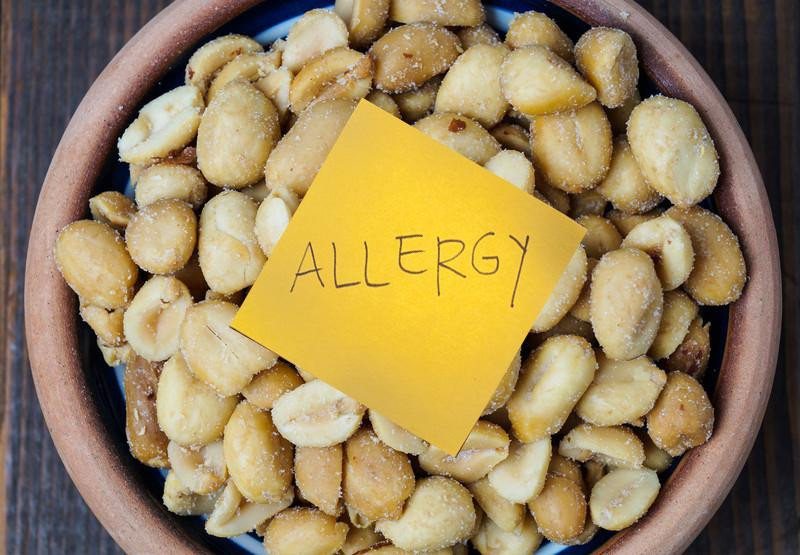
Pediatricians used to recommend that parents hold off on giving their children foods that commonly cause allergic reactions — peanuts, eggs, seafood, wheat — for the first few years of the child’s life. We now know that was bad advice. Recent studies have shown that giving these foods very early in life is perfectly safe — and that it actually decreases a child’s risk for some food allergies.
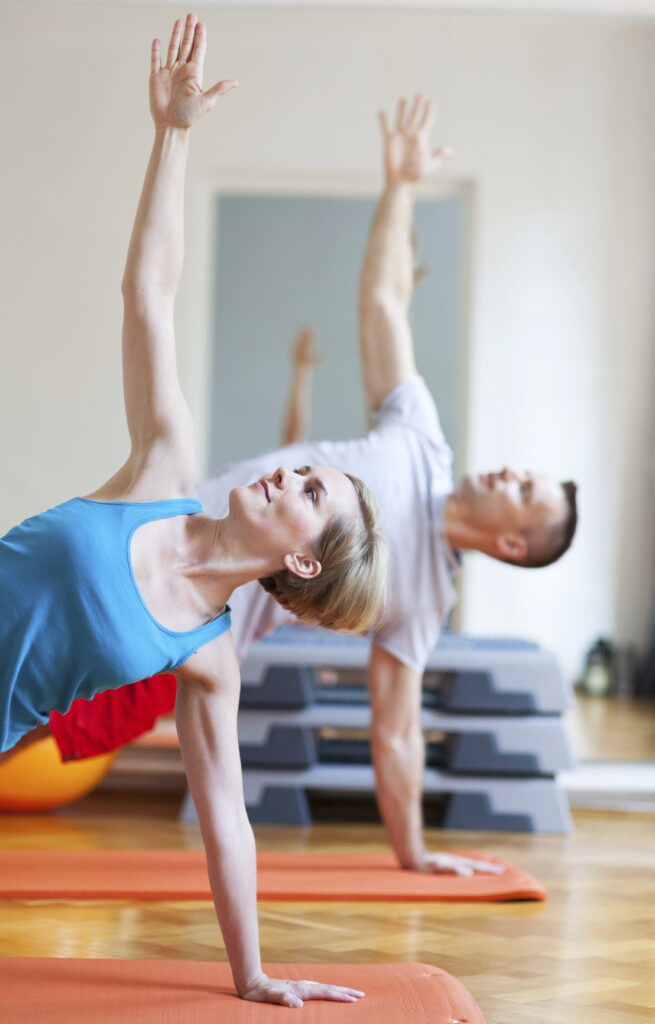
A recently published study confirms what many of us have already observed: the popularity of yoga in the U.S. is exploding. More Americans now practice yoga than ever before — and they’re enjoying a range of health and wellness benefits associated with it. While there are still some negative perceptions of yoga that can discourage people from trying it, there’s a lot the yoga community can do to help them feel included.
Attention deficit hyperactivity disorder (ADHD) is one of the most commonly diagnosed psychiatric disorders, with prevalence rates around 3%-4%. Medication is frequently used to treat the symptoms of inattention, impulsivity, and hyperactivity that are associated with the disorder. It’s a developmental disorder, meaning that the symptoms start in childhood, before the age of 12. The symptoms can impair functioning in school and at home, and interfere with forming and keeping friendships.
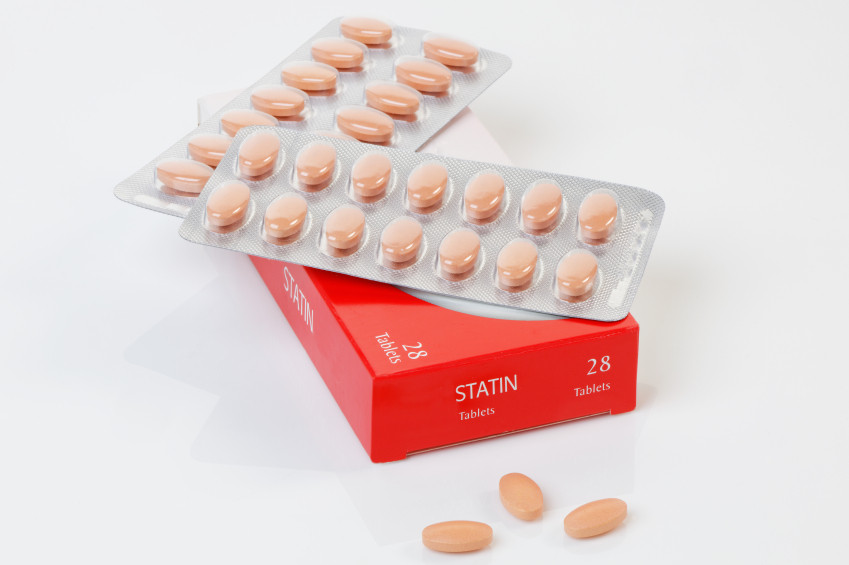
In the United States, more than 40% of people ages 60 and older take a cholesterol-lowering statin to reduce their risk of a heart attack. But up to half of people who are prescribed these drugs quit taking them because they experience what they believe to be statin-related side effects — most often muscle pain. Others avoid statins altogether because of that worry. That’s why many people might be curious about a mail-order genetic test called StatinSmart, which bills itself as the first test to identify a person’s risk of experiencing muscle pain from a statin.
The U.S. Preventive Services Task Force has recently updated their guidelines on depression screening to include pregnant and postpartum women, which will be a great help to the many new moms who experience mood changes that go beyond the “baby blues.” The updated guidelines offer other benefits, too, that help improve everyone’s access to mental health care — especially those who can’t currently afford it.
Eating healthy is a habit — and, like any other habit, it can be taught and learned. Most kids need guidance as they learn how to enjoy healthy foods and eating patterns. We’ve shared 10 of our best tips for how to help your child become a healthy eater.
Healthy behaviors clearly make sense from a rational standpoint, but they can be a drag — and difficult to maintain. For example, there are few people who doubt the beneficial effects of exercise, yet one study found that close to 75% of people either do not exercise at all or exercise only seldomly. Eating healthily is also important, yet more than a third of all adults are obese. It’s not because we’re ignorant or because we aren’t motivated to adopt healthy behaviors. It’s just very difficult to stay the course.
Much has been promised about the potential health benefits of vitamin D, but the evidence behind many of these promises is lacking. In fact, a recent study that tested whether vitamin D supplements protected older people from physical decline found that those on higher doses were more likely to have a fall. It’s important to get enough vitamin D in your diet. But when it comes to supplements, more is not always better.
A POLST order goes beyond what a DNR can cover: it allows you to set your preferences for treatments such as nutrition, pain medicine, and antibiotics at the end of life, and it applies both inside and outside the hospital. However, it’s not without its drawbacks. Ultimately, it’s safest to draw up not only a POLST, but other types of tried-and-true directives, to ensure you get the end-of-life care you want.

You probably know that regular exercise offers a wealth of benefits for your body, like staving off excess weight and chronic illnesses like heart disease and diabetes. But mounting evidence suggests that exercise is also good for your brain. A study published in the journal Neurology links better cardiovascular fitness to improved thinking skills in older adults.
The news about the Zika virus possibly causing microcephaly in infants has everyone talking about — and worried about — mosquitoes. It’s not just the Zika virus that can be spread by mosquitoes; these insects also spread other illnesses, such as malaria, dengue, chikungunya, yellow fever, West Nile virus, eastern equine encephalitis, and Japanese encephalitis.
If you’re planning an escape from the dreary winter weather, and you’re pregnant or trying to get pregnant, you may want to plan your destination carefully. There’s still a lot we don’t know about Zika virus — which is now widespread in several favorite tropical destinations, such as the Caribbean — and its potential pregnancy-related complications. Until we know more, it’s better to be safe and follow the precautions we’ve listed here.
Shingles, an itchy and painful rash that occurs when the chickenpox virus reactivates in your body, shouldn’t be written off as just a nuisance. If it’s not treated promptly with an antiviral drug, it can cause a host of serious long-term complications. Fortunately, there’s a vaccine that can slash your risk of shingles by half, and another, even more effective one in the pipeline.
Everyone worries, but some people worry more than others. When worry is excessive, people may develop generalized anxiety disorder (GAD). In fact, close to a quarterof people who go to their primary care physicians with anxiety suffer from this.

Free Healthbeat Signup

Get the latest in health news delivered to your inbox!

Stay on top of latest health news from Harvard Medical School.

Plus, get a FREE copy of the Best Diets for Cognitive Fitness.

This site is protected by reCAPTCHA and the Google Privacy Policy and Terms of Service apply.