Harvard Health Blog
Read posts from experts at Harvard Health Publishing covering a variety of health topics and perspectives on medical news.
Depression is fairly common among people suffering with rheumatoid arthritis (RA). Recent research suggests that depression may worsen RA symptoms and even make medications less effective. To date, the studies that indicate a connection between the severity of RA symptoms and depression have not been conclusive, so more research is needed. In the meantime, if you have RA and notice signs of depression, be sure to talk with your doctor.
Most women are at least somewhat familiar with the miseries of premenstrual syndrome (PMS). Nearly 75% of women experience symptoms of PMS during the two weeks before their menstrual periods. Premenstrual dysphoric disorder (PMDD) is PMS with a twist.
“Last time I got the flu shot, it actually made me sick!” “My kids are perfectly healthy. They’ll be fine.” You’ve probably heard a version of these two before. These flu shot myths are so persistent that they prevent countless numbers of people from getting vaccinated each year. We’ve debunked these claims here to help you make your flu shot decision based on facts — not myths.
October 8, 2015 is National Depression Screening Day, which is the embodiment of Dr. Douglas Jacobs’s belief that screening for mental disorders should be no different than screening for other physical illnesses. If you think that you may be suffering from depression, take the first step and find out. Treatment can improve your mood, help you feel more connected, and feel more like yourself again.
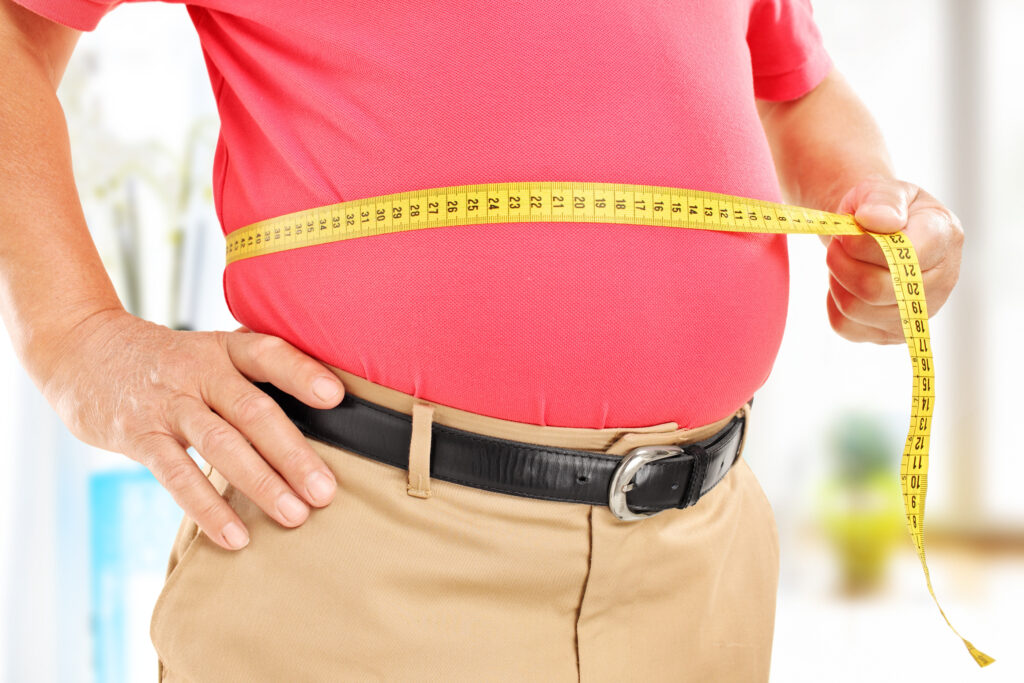
Americans are sleeping less and weighing more. Science tells us this is no coincidence. Inadequate sleep can contribute to weight gain in several ways, including altering levels of the hormones that control appetite and fullness and setting off a chain reaction of poor habits that can increase the risk of weight gain and obesity. Sleep is proving to be as important to health as good nutrition and regular exercise.
The change of seasons brings little change to the hectic schedules at our house. Summer, for example, ushered in the non-stop activities of kids home from school. Now with autumn, it’s a return to the jam-packed calendars of kids back in school. It leaves little time for family meals together, and even less time for cooking. And when your child is late for practice, packaged and prepared foods suddenly don’t seem so unhealthy.
The mental health benefits of mindfulness meditation include greater engagement in your daily activities and a more positive outlook — which can in turn improve your concentration and sense of well-being. But can mindfulness practice really help employees’ mental health? A recent study says yes. Workers participating in mindfulness training found they experienced less stress, anxiety, and depression; improved sleep; fewer aches and pains; and fewer problems getting along with others.
A study examining the effects of low-nicotine cigarettes on smoking behavior yielded surprising results. The study volunteers who smoked the low-nicotine cigarettes actually smoked less and had fewer cigarette cravings than those who smoked cigarettes with a higher level of nicotine. Although more research is needed before we can draw any conclusions, it’s possible that very-low-nicotine cigarettes might be a way to mitigate the health dangers of smoking for people determined not to quit.
Ask anyone how to prevent bone fractures and they’re likely to answer, “Get more calcium.” Medical experts have tended to agree. For example, the Institute of Medicine advises a calcium intake of 1,000 to 1,200 milligrams (mg) a day for most adults. But in the last five years, we’ve also learned that calcium — at least, in the form of supplements — isn’t risk-free. An intake of 1,000 mg from supplements has been associated with an increased risk of heart attack, stroke, kidney stones, and gastrointestinal symptoms.

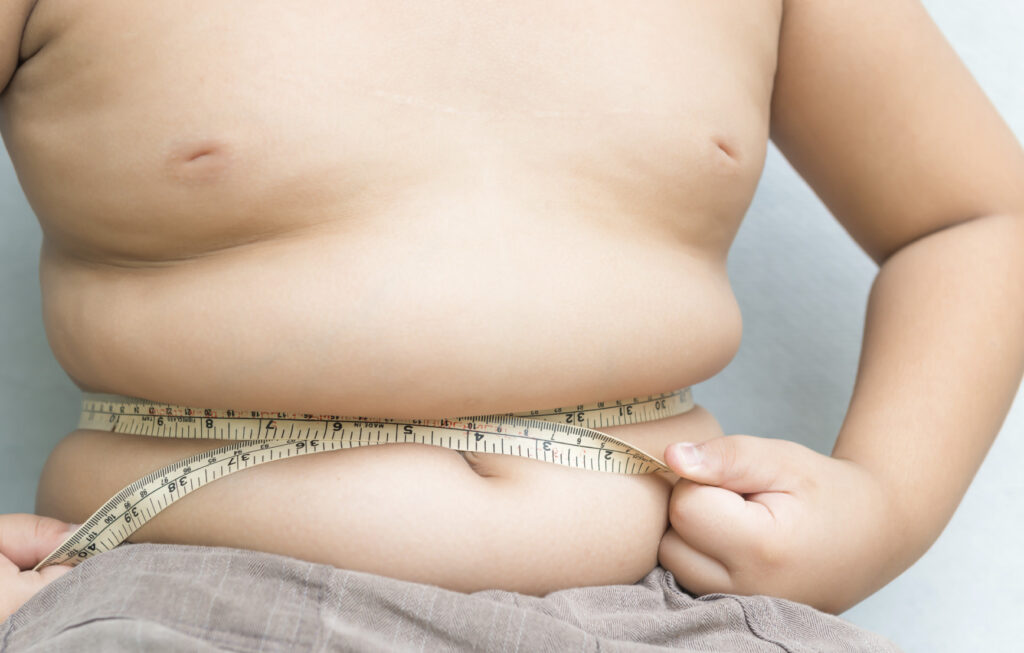
Being an overweight child is no picnic — it can be hard to keep up with your friends on the playground, you can’t wear some of the same styles of clothing other kids do, and the teasing can be merciless. New research published in The New England Journal of Medicine shows that the damage goes beyond the social and emotional, too.
The very thought of losing a baby to sudden infant death syndrome (SIDS) is terrifying. Safer sleeping practices for infants have greatly reduced the number of babies lost to SIDS, but many parents are unclear on the reasons behind these recommendations and therefore often don’t follow them. The safest way to put your baby to bed is: on the back; in a crib, minus blankets, bumpers, and stuffed animals; and with a pacifier. Another critical factor is maintaining a smoke-free home and family.
Urinary tract infections (UTIs) occur in women of all ages. Physical and hormonal changes can leave women at midlife particularly vulnerable. No woman should have to put up with the inconvenience and discomfort of recurrent UTIs. Self-help measures can be effective, but if they don’t do the trick, see your doctor. He or she can identify and treat any underlying problems and recommend other strategies to keep UTIs at bay.
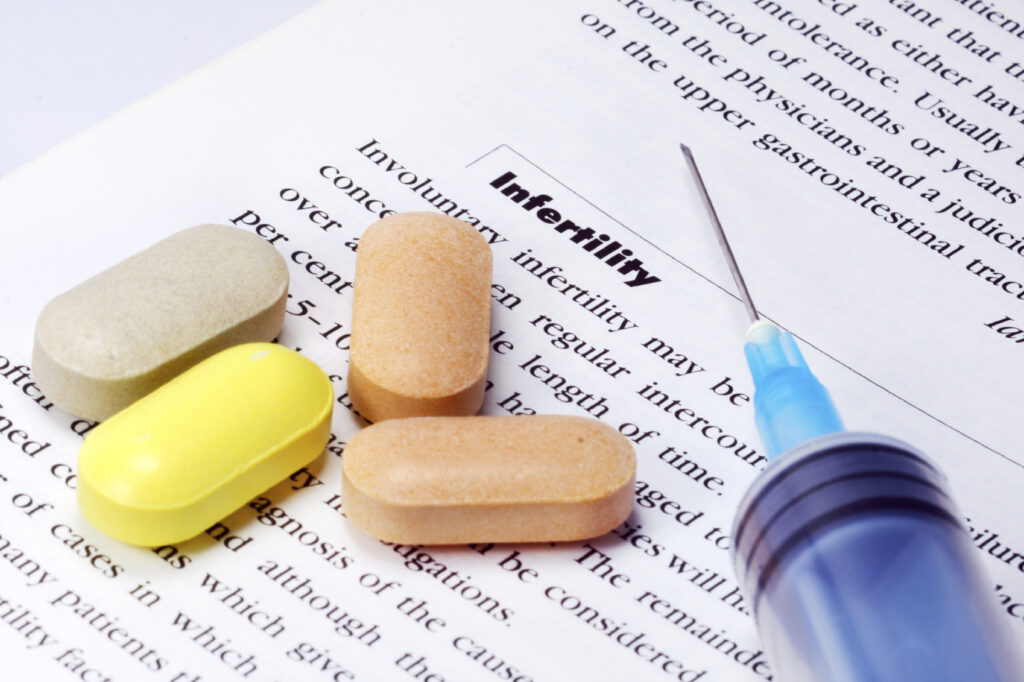
One of the most common treatments for unexplained infertility is ovulation induction, in which a woman takes drugs that will increase the number of eggs the ovary releases in the hope that at least one will result in a pregnancy. But when too many eggs are available for fertilization, the rates of high-risk multiple pregnancies go up. A recent study compared three drugs used for ovulation induction and found that the one more likely to result in a live birth was also more likely to result in a multiple pregnancy (twins, triplets, or more). The options for treating unexplained infertility remain less than ideal, but careful choices mean that the pregnancies that do result will be safer for moms and babies.
Tai chi has become popular in the United States in recent years, thanks in part to growing evidence for its many health benefits. This ancient Chinese exercise not only improves balance and flexibility, it may prevent falls, ease pain, and even help your heart. A recent analysis of 33 studies of tai chi suggests that doing tai chi can help older adults with common, long-term health conditions move about more easily and enhance their quality of life. The quality of life improvements may stem from the meditative, mind-calming aspects of tai chi.
Treatment decisions are complicated for men with low-risk prostate cancer that grows slowly. These cancers may never become deadly during a man’s expected lifespan. And there is no conclusive evidence showing that treatment in these cases extends survival. So cancer specialists have been leaning toward monitoring low-risk prostate cancer carefully and starting treatment only when it begins to spread. This approach was once used only in academic cancer centers, but new research suggests that this strategy is becoming more common in urology practices throughout the United States and other countries as well.
If you saw last month’s news headlines declaring that saturated fat is no longer deemed harmful to your heart, you may be (understandably!) confused. After all, for years, clinicians and scientists have recommended reducing saturated fat for heart health. Is it time to rethink this advice? Hardly. Here’s the deal.
f the latest information on health and wellness is important to you, you will not want to miss a special live-streamed webcast, “Rethinking Cholesterol,” which will be aired on Thursday, September 24, from 12:30pm to 1:30pm Eastern time. The webcast, which is free to all viewers, is co-sponsored by Reuters, Harvard Health Publishing, the Harvard T.H. Chan School of Public Health, and Harvard Medical School.
Having a terminal illness or debilitating disease is devastating. Imagine, then, being in that situation and exhausting the available treatment options — or having limited options to begin with. It’s understandable that people in these circumstances might welcome the opportunity to try experimental drugs or treatments. But it is not always easy or expedient to gain access to such therapies. So called “right-to-try” laws are supposed to help doctors and patients access these treatments. However, it isn’t clear that right-to-try laws will actually help, and they can create additional dilemmas in what are already complicated situations.
The most common type of non-invasive breast cancer is called ductal carcinoma in situ (DCIS). Traditionally, DCIS is diagnosed when cancer cells seen under the microscope are localized only to the breast’s duct system but have not invaded surrounding tissue.
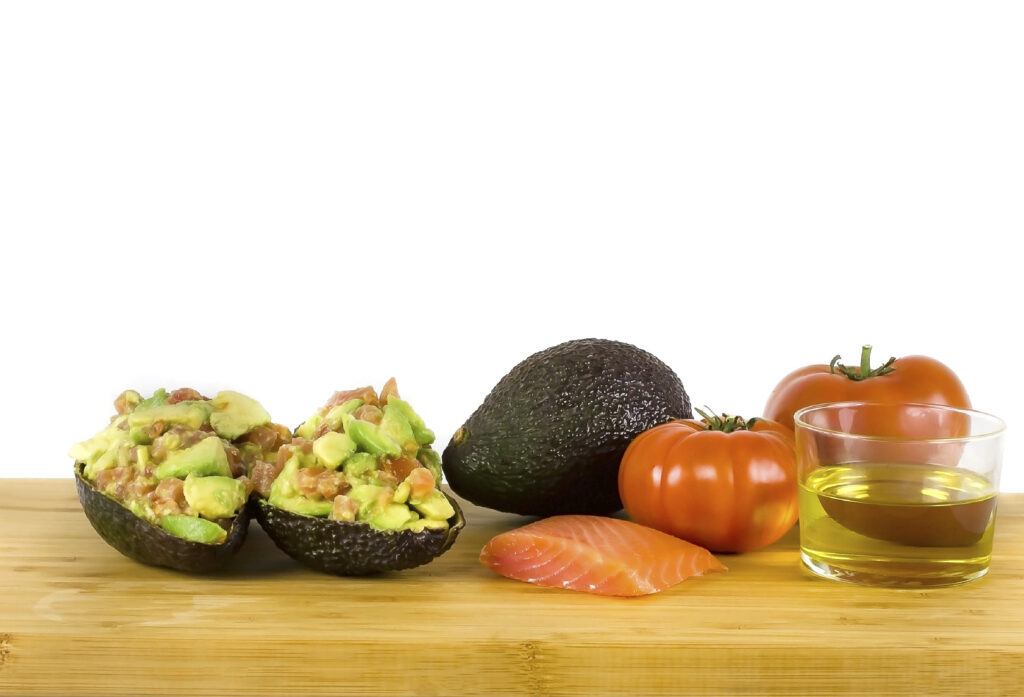
The PREDIMED study showed that the Mediterranean diet can statistically lower a person’s risk for cardiovascular disease, including heart attacks, strokes, and death from heart-related causes. The data also suggest that a Mediterranean diet is associated with a reduced chance of getting breast cancer. This small analysis has some limitations, but provides another reason to consider this already healthful way of eating.
The SPRINT study was a large clinical trial involving people with high blood pressure who were at increased risk for heart disease or who already had kidney disease. The results of this study showed that aiming for a systolic blood pressure of 120 mm Hg instead of the current 140 mm Hg target greatly reduced the chances of developing serious cardiovascular problems. On average, reaching the target required 3 blood pressure drugs instead of 2. If you already have well-controlled blood pressure, you don’t need to rush to see your doctor about this, but it’s worth having a conversation with your primary care physician about the potential benefits of a lower blood pressure target.
Bill Clinton (ex-President). Tracy Morgan (comedian). Cindy Lynn Baldwin (motor vehicle driver). What do these seemingly unrelated individuals have in common? The answer is that each either suffered from sleep deprivation or was victimized by someone who was sleep-deprived.
Last year was a lousy year for the flu vaccine. Hospitalizations for flu hit a nine-year high, and the vaccine prevented flu in only 23% of all recipients, compared with 50% to 60% of recipients in prior years.