Recent Articles

Harvard Health Blog

Read posts from experts at Harvard Health Publishing covering a variety of health topics and perspectives on medical news.

 
Over the past few years, research has changed pediatricians’ recommendations for when — and how — to introduce babies to solid foods. For example, many doctors now recommend giving young children peanut products and fish very early, as this actually reduces the risk of developing allergies. Of course, every baby and family is different, so it’s always best to run your baby’s “first foods” by his doctor before giving them.

Stress is rampant, and high blood pressure (what doctors call hypertension) is on the rise. So it’s no wonder patients often ask if stress is causing their hypertension. We have no proof that stress alone can cause persistently elevated blood pressure. (Part of the reason is that high-quality studies quantifying stress are difficult to conduct.) But stress can certainly raise blood pressure, sometimes impressively. And stress reduction can lower blood pressure, frequently improving overall well-being. Deep, slow breathing is the oldest and best-known technique to decrease stress.
A recently published study has found that the incidence of kidney stones is on the rise. These stones, which are formed when chemicals in the urine crystallize, can cause serious complications in addition to the usual pain and urinary trouble. It’s not clear why they’re becoming more common, but climate change and rising rates of obesity may be to blame.
It’s well known that defective BRCA genes can increase a woman’s chances of developing breast, ovarian, and other cancers. But these same gene changes can also increase a man’s risk of dying from prostate cancer.
Many team sports have tremendous health benefits for children, but youth football, in particular, continues to pose a concern because of the high risks of concussion and other injuries. A recent NEJM article has taken a stance against allowing tackling in youth football. But is this position really the best way to promote the health and safety of youth athletes?
The U.S. Preventive Services Task Force recently updated their guidelines on screening for depression. This time around, they recommended widespread screening through primary care practices, plus gave special attention to women who are pregnant or recently gave birth. These matter-of-fact, achievable guidelines and goals have the potential to reap enormous health benefits.
Zika, a virus that was almost unknown just a short time ago, is now certain to spread to almost every country in the Americas. But why have the U.S. and other countries become more vulnerable to the threat of exotic pathogens? There currently aren’t enough data to make any solid connections, but many experts agree that the rise of global trade and travel, climate change, and ecosystem changes are all major factors.
Even though the use of lead has been regulated for many years, tragedies like the one currently ongoing in Flint, Michigan still occur. Exposure to lead in childhood can have health effects that can change a child’s life forever. We’ve listed steps you can take to keep your child — and everyone in your home — safe from lead poisoning.
Zika, a formerly rare and obscure virus, has recently spread throughout the Pacific islands and the Americas. Although Zika virus rarely makes people seriously ill, it’s been implicated in a huge rise in the number of birth defects in babies born to mothers who’ve had Zika. Although its impact in the U.S. is expected to be much less severe than in warmer climates, we’ve listed some tips to reduce your exposure to the type of mosquito that carries Zika.
Yoga is becoming increasingly popular among American children. Emerging research has shown that yoga has a number of physical and psychological benefits for children, and many classrooms now integrate yoga into a typical school day. Yoga can also be a great way for parents and children to play and interact at home. We’ve included several fun yoga-based exercises and games that parents and children can enjoy together.
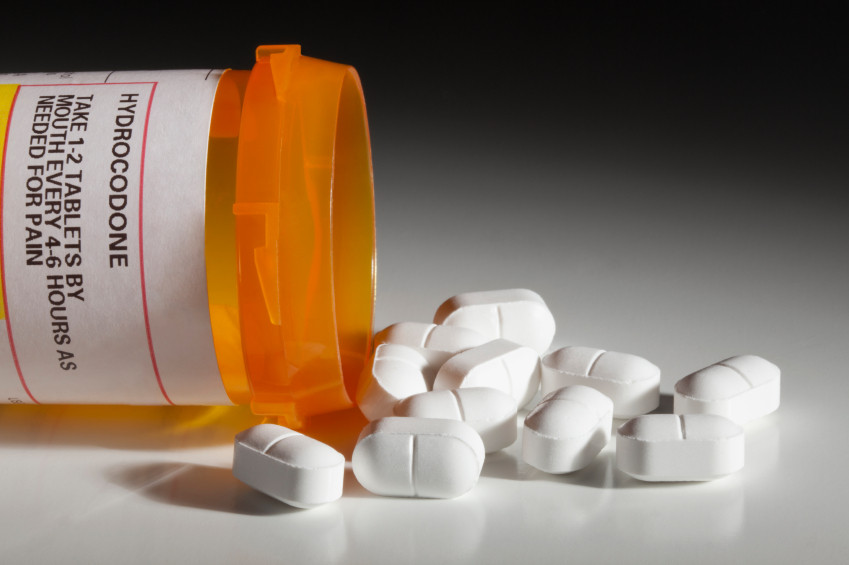
A recent study of nearly 3,000 patients who had an overdose during long-term opioid treatment found that more than 90% of these patients continued to receive opioids — even after their overdose. Poor communication between emergency rooms and prescribing doctors is likely the culprit. What’s more, doctors receive little training in recognizing patients at high risk for overdose, or in treating addiction when they do spot it. An important strategy to address the current opioid crisis is to improve how doctors are educated about opioids.
Peruse the aisles of a local pharmacy or grocery store and you will find more than 30 over-the-counter medications available to treat the symptoms of fever, headache, sore throat, and achy muscles. Many of these “multi-symptom” products contain acetaminophen, the active ingredient in Tylenol. This means cold and flu sufferers who are using multiple combination cough and cold remedies may inadvertently be taking more acetaminophen than they intend — and putting themselves at risk for a serious complication: acetaminophen-induced liver toxicity.
There’s almost always something we can do to improve our health and well-being — even at the end of our lives. Palliative care is designed to improve the quality of life for people with life-threatening illnesses and their families by keeping a person comfortable and making sure his or her values and preferences guide the medical team’s actions. For this reason, good communication with your care team — and your loved ones — is essential, even before you or a loved one has developed a serious illness.
Many parents of teens with depression worry that antidepressants could cause an increase in suicidal thoughts or behaviors. Previous research had suggested antidepressants are safe for teens. But recently, researchers have re-examined the original data and found antidepressants may not be as safe for teens as once thought. As always, whether to start an antidepressant depends heavily on your teen’s personal situation.
A recent summary paper published in The New England Journal of Medicine outlines where the Affordable Care Act (ACA) has succeeded and where it has fallen short. Although health care is now more accessible and affordable than before, many still lack coverage, and the available plans have some drawbacks. Rather than expanding insurance coverage, it will take a culture shift in how we provide care to truly improve the health of our nation.
Last year, only months after announcing that he had an aggressive form of melanoma, former President Carter declared that he was cancer free — thanks at least in part to a recently approved immunotherapy drug. Immunotherapy is a type of targeted therapy that helps boost the body’s own immune response to cancer. It does so while sparing healthy cells, thus minimizing side effects.
Doctors may prescribe medicines for teenage girls — for example for acne, depression, or migraines — that are known to cause birth defects. While most parents and doctors hope that these young women avoid pregnancy for many reasons, adults need to help adolescent girls understand the risks of the medications they take and have frank conversations about sex and birth control.
Retail health clinics are popping up everywhere, from drugstores and supermarkets to large retailers like Target and Walmart. Staffed by nurse practitioners or physician assistants, retail health clinics can be a great option, particularly if you’re younger and in generally good health. These clinics list their prices up-front and tend to be cheaper than a doctor’s visit. They’re convenient too: usually open extended hours, with no need for an appointment.
By the mid-20th century, most births took place in the hospital. But increasingly, some women are choosing to have their babies at home in an effort to avoid seemingly unnecessary interventions and find an alternative to hospital environments. We don’t have the best data to assess the safety of home birth. But a recent analysis offers insights that can help women make choices based on what they value the most.
Many people choose to own guns for sport or protection. But from a physician’s standpoint, guns create as many — or more — problems than they solve. Several studies have found that guns injure or kill far more people, often unintentionally, than they’re intended to protect.
About 1 in 3 people report at least one episode of fainting during their lifetime, so it’s surprising that we don’t see people fainting more often. Fainting is usually harmless, the body’s response to emotional or physical stress. But in some cases, fainting can indicate an underlying problem such as heart abnormalities or seizures. And even when the cause of fainting is not that serious, fainting that leads to a fall can cause injury.
For years, there has been concern about the high rate of cesarean births — but just how many cesareans are too many? A recent study suggests that a cesarean rate of 19% is about right. The reasons for high cesarean rates may be related more to each hospital’s circumstances and processes than to other, more commonly cited reasons. If you’re concerned, find out the C-section rate at the hospital where you plan to deliver your baby.
Most parents, at some time or another, wonder whether their child is doing everything they are supposed to do. Are they ahead of other children? Are they behind? Is their development normal?

Free Healthbeat Signup

Get the latest in health news delivered to your inbox!

Stay on top of latest health news from Harvard Medical School.

Plus, get a FREE copy of the Best Diets for Cognitive Fitness.

This site is protected by reCAPTCHA and the Google Privacy Policy and Terms of Service apply.