Harvard Health Blog
Read posts from experts at Harvard Health Publishing covering a variety of health topics and perspectives on medical news.
Pressed coffee, once the darling of trendy coffee houses the world over, has broken out of its upscale origins and can now be found in kitchens all across America. Aficionados have been raving for years that pressed coffee tastes better than regular coffee — and they may be right. But it can potentially harm your health. Here, we’ve explored the health drawbacks — and benefits — that coffee has to offer, no matter the brewing style.
Many people don’t take their medications exactly as prescribed. While some do this purposefully, plenty more simply forget. Researchers have studied several different methods to help people remember their medication, but a new study has revealed one that stands out among the rest: texting. While the study does have some limitations, it’s an impressive reminder that the technology sitting in many people’s pockets and purses can be a powerful tool to help them improve their health.
Active aging involves more than moving your body. You also need to move your brain. “When you exercise, you engage your muscles to help improve overall health,” says Dr. Ipsit Vahia, director of geriatric outpatient services for Harvard-affiliated McLean Hospital. “The same concept applies to the brain. You need to exercise it with new challenges to keep it healthy.”
A new law in North Carolina prevents transgender people — people who feel very strongly that their biological sex does not match their true gender — from using the public restroom of the gender they identify with. But the American Academy of Pediatrics has denounced this law for discriminating against transgender children and children with certain genetic disorders. As they say, what all children need the most is unconditional acceptance and support.
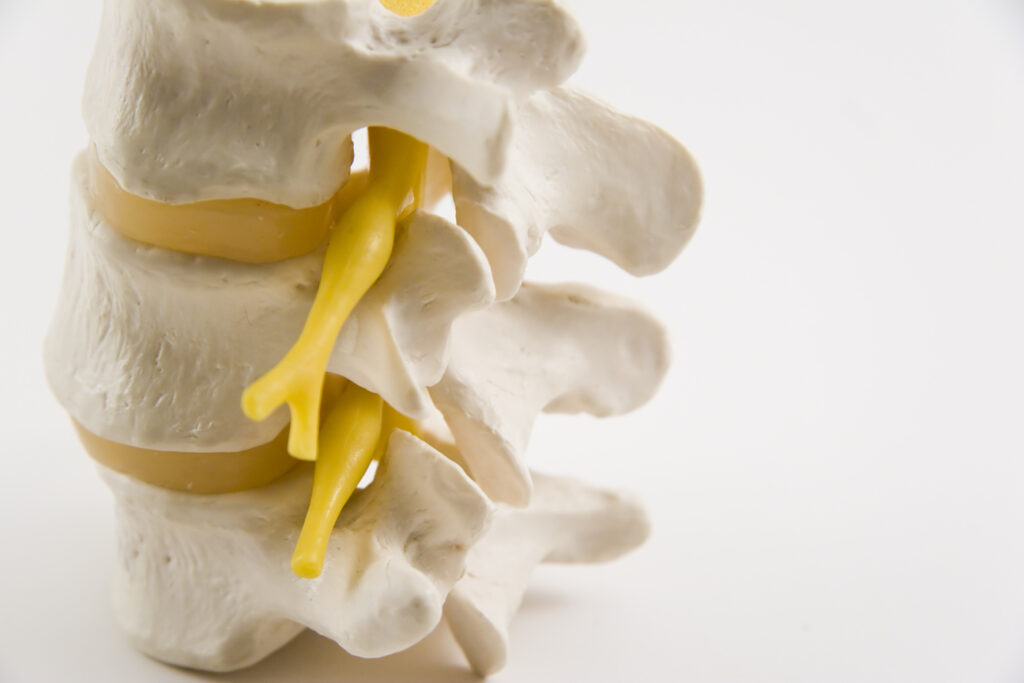
Low back pain is the second most common cause of disability in the U.S. Over 80% of people will experience an episode of this pain at some point in their lives. The most common reasons for low back pain are disc injuries, sciatica, lifting heavy objects, or some other non-specific back injury.
When you read medical news, do you ever get drawn in by the headline only to find the details deliver something quite different (or less) than expected? Or do the findings sound so dramatic that you wonder whether the results might be exaggerated or misleading? If you answered yes, I’m with you.
For a week each spring there’s dancing in the streets of Harvard Square as Dance for World Community, a project presented by José Mateo Ballet Theatre, demonstrates how people of all ages and abilities — from nimble preteens to people who use wheelchairs — can express themselves through dance. At almost every performance, spectators and passersby find themselves joining in.
Back in January, Dr. Anne Schuchat, Deputy Director of the Centers for Disease Control (CDC), didn’t seem all that worried about Zika. She expected it to cause only “very limited outbreaks” in the United States.
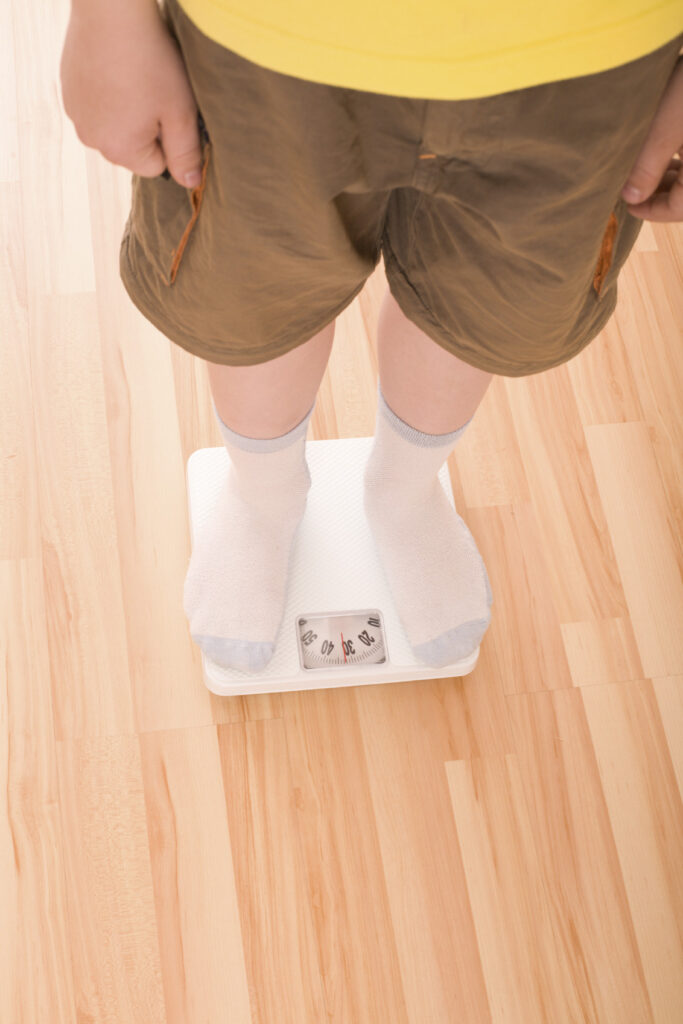
We know that overweight teens have a higher risk of heart disease throughout their life, which is why pediatricians make sure to discuss healthy lifestyle choices with their patients. However, a recent study reveals that the weight ranges currently considered acceptable for teens might be too high, and therefore still putting them at risk. We’ve summarized the results and given you some ideas to help your teen lead an active, healthy lifestyle.
In its early stages, osteoporosis has no symptoms but causes millions of bone fractures every year, often resulting in loss of function and, disability and even death from the complications of the fracture. There are effective medications to prevent osteoporosis, but they can have serious (though rare) side effects. It’s best to talk discuss with your doctor to understand all your options and make an informed decision on how to best protect your bones.
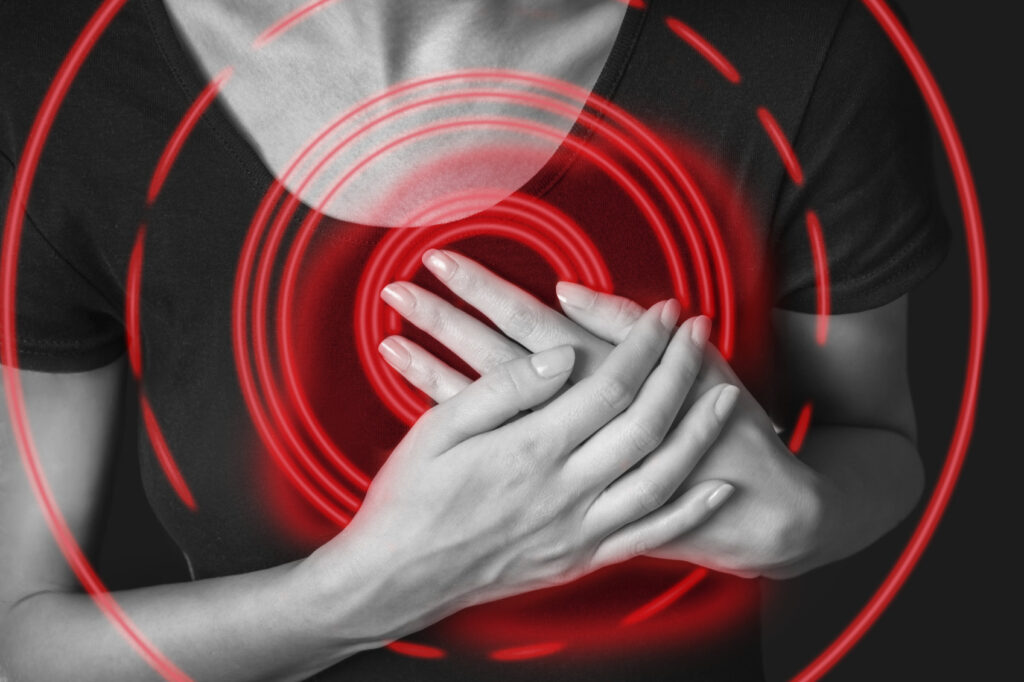
Imagine someone in the throes of a heart attack. If you pictured a man clutching his chest in agony, that’s understandable. At younger ages, men face a greater risk of heart disease than women. On average, a first heart attack — the most common manifestation of this prevalent disease — strikes men at age 65. For women, the average age of a first heart attack is 72.
Awareness of the effects of concussions in children and adolescents has risen, along with the frequency of diagnosis. Researchers and other medical professionals are attempting to develop tools such as a risk grading scale, that might be used to better manage the injury and provide the most effective treatment.
For women having children over age 35, the decision to induce labor is usually based on an increased risk of stillbirth. The duration of labor also factors into the decision, as does the possibility that induction could increase the chance of a cesarean birth, though current medical evidence does not necessarily support this assertion.
If exercise were a medication, it’d be a blockbuster. That’s because exercise has been linked to a long list of remarkable health benefits and just about everyone can take advantage of them. That’s why your doctor will probably recommend that you get more exercise—or commend you for doing so already.
Researchers have wondered for a long time whether there might be a link between excess thyroid hormone and an increased risk of breast cancer. High levels of thyroid hormone have been shown to mimic estrogen, which fuels many breast cancers. A new study has suggested that there may indeed be a link — but it’s important to put the results into context.
Many people cite a lack of “motivation” or “willpower” as the reason that overweight people can’t control their eating habits. But a wealth of evidence has come to light that obesity is linked to insufficient sleep. Most recently, an experimental study has found that restricted sleep can increase the levels of brain chemicals that make eating pleasurable. Could it be that insufficient sleep makes the brain addicted to the act of eating?
Rice has an unusually high arsenic content — and high amounts of arsenic in the body can increase the risk of cancer and learning difficulties. The FDA has recently proposed an upper limit on the amount of arsenic in infant rice cereal, but it hasn’t yet been adopted. In the meantime, we’ve listed steps you can take to reduce your — and your child’s — consumption of arsenic.
Osteoarthritis (OA) affects tens of millions of Americans and is a leading cause of disability and reduced quality of life across the globe. Other than joint replacement surgery, there is no known “cure” for OA, and most treatments focus on relief of symptoms such as pain. Often, the first step is non-medication-based approaches such as physical therapy, exercise, and weight loss. Most patients, however, will eventually use pain relievers such as non-steroidal anti-inflammatory drugs (NSAIDs). Other kinds of medication, such as opioids, have also been tested as treatments for OA, and there is ongoing debate about what treatments are best.

Several long-term treatments can help people overcome opioid addiction. One of them, naltrexone, may help people who have trouble sticking with taking a pill every day. Naltrexone can be offered as a monthly injection called Vivitrol, which has been shown to help more people stay on treatment as compared to the pill form. However, it’s not for everyone, and like all treatments for opioid addiction, it must be used very carefully.
There’s been a lot of back-and-forth recently about how much sleep we really need, with recent studies suggesting that some long-held notions about this may be outdated. For example, a recently published study challenged the widely held belief that adults need an average of eight hours of sleep a night to function well. The researchers found that members of pre-industrial societies, free of the technological distractions that often keep us up at night, tend to get an average of 5.7 to 7.1 hours of sleep per night (more on that in a bit).
Ninety percent of smokers had their first cigarette before turning 18. A movement to raise the legal age to buy tobacco in the United States to 21 hopes that making it more difficult for young people to start smoking may lead to a healthier population overall.
While it is obvious that your feelings can influence your movement, it is not as obvious that your movement can impact your feelings too. For example, when you feel tired and sad, you may move more slowly. When you feel anxious, you may either rush around or become completely paralyzed. But recent studies show that the connection between your brain and your body is a “two-way street” and that means movement can change your brain, too!
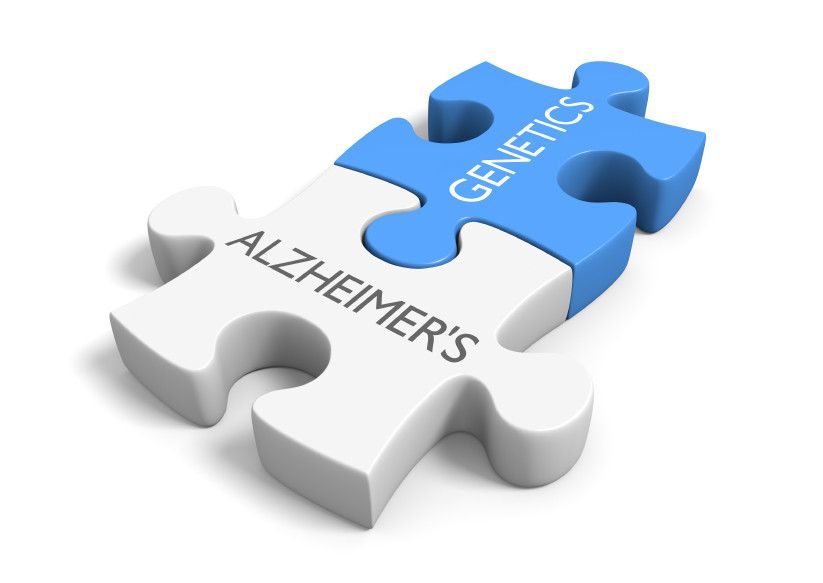
Although the two conditions seem unrelated, Alzheimer’s and heart disease actually share a genetic link. People who have a certain gene variant have both a somewhat elevated heart disease risk and a significantly elevated Alzheimer’s risk. Fortunately, a recent study has suggested that when people know they have this variant, they’re more likely to make healthy lifestyle choices that benefit their heart — and what’s good for the heart is good for the brain.
Parents of teenagers, here is another post that I hope will be helpful to you.