Harvard Health Blog
Read posts from experts at Harvard Health Publishing covering a variety of health topics and perspectives on medical news.
Surprising, right? But that’s the conclusion of a new study that compared the life spans of many people with varying amounts of sun exposure. They found that among nearly 30,000 women in Sweden, who were each monitored for about 20 years, those who spent more time in the sun actually lived longer and had less heart disease and fewer non-cancer deaths than those who reported less sun exposure.
If you do volunteer work, whether it’s at a school, soup kitchen, or senior center, perhaps you’ve experienced the emotional rewards of donating your time. What you might not realize, however, is that volunteering may offer some added advantages for your heart.
When a patient calls a new doctor begging for a refill on their pain medication, what should the doctor do? Denying medication to someone in significant pain seems unethical — but denying it to someone who’s suspected to be reselling it is a whole different story. Doctors now have systems in place to help them make the right call. But even these systems can’t replace the most critical piece of the puzzle — empathy.
Just about every new parent has wrestled with the idea of whether to comfort a baby who cries during the night or whether to let him or her “cry it out.” A recent study adds more evidence to what researchers (and our own parents and grandparents) have long known: It’s okay to let your baby cry it out. It won’t harm them — and you’ll get a much better night’s sleep, too!
Many men with prostate cancer benefit from active surveillance, in which treatment doesn’t begin unless the cancer spreads. There has been some debate about whether this strategy is safe for men with intermediate-risk prostate cancer. A new study suggests that this type of cancer is more likely to spread than previously thought — but active surveillance can still be a good option for many intermediate-risk men.
Many Americans opt to quench their thirst with drink sodas, juices, and sports drinks instead plain water. Now, a recently published study has confirmed what researchers have been saying for a while: upping your water consumption can help you avoid excess calories and control your weight. So, next time you’re thirsty, try water instead — it’s free, refreshing, and good for you!

You may have seen the recent headlines proclaiming that tequila is good for bone health. While that sounds appealing to many, the truth is that there are many caveats to the study behind those headlines. This latest story is just one example of news articles that proclaim our favorite foods, like coffee and chocolate, are actually good for us. As with all these stories, it’s important to look deeper than the flashy headline.
Men are often reluctant to seek therapy. After all, it involves asking for help and talking candidly about one’s emotions, two things that many men are eager to avoid. But men should know that there’s no need to “tough out” whatever they’re going through. There are plenty of professionals out there who are ready and willing to lend an ear.
The other day, a fit 50-year-old man came to me for a visit to review his health. As we discussed his (generally good) efforts to take care of himself, he said, “I’ve been wondering if I should take an aspirin every day. I read somewhere that it can prevent cancer.”
For many women, pregnancy and the arrival of a new baby is a joyous time — but not for every woman. Recently, postpartum depression — extreme feelings of sadness and anxiety following the birth of a child — has come out from the shadows. But what about depression during pregnancy?
Excess sugar in the diet can cause a whole host of health problems, both physical and mental. If you’re concerned about cutting down on sugar, you might think you’re covered if you skip the soda and pastries. But there are plenty of hidden and added sugars lurking in all kinds of foods — even those traditionally considered “healthy.” Here, we’ve given you some tips on what to watch out for.
Many pregnant women turn to zero-calorie artificially sweetened beverages to help avoid weight gain. However, these beverages may actually cause weight gain—and even alter your digestion and sense of taste. Recent research suggests that pregnant women who drink diet beverages to avoid weight gain may end up with heavier babies. So, if you’re pregnant, you may want to rethink that zero-calorie soda. After all, the old adage about “eating for two” is a reminder to eat and drink in ways that keep both you and your baby healthy.
Self-acceptance is defined as “an individual’s acceptance of all of his/her attributes, positive or negative.” It includes body acceptance, self-protection from negative criticism, and believing in one’s capacities.
My mother was lucid and alert when she was hospitalized for pneumonia. But by the middle of the first night, she was wondering how she had ended up at a “hotel” that allowed strangers to enter her room at all hours. The second night, she wandered into the corridor, slipped, and fractured a hip. She didn’t leave the hospital alive.
You’ve probably heard that if you want to lose weight, it’s as simple as “eat less, exercise more.” A recent study suggests that a lot of exercise doesn’t always translate into a lot of extra calories burned. But even if you never lose a single pound with exercise, it has so many other benefits for your body and mind that it’s always worth it to be active. Give it a try today!
Chances are good that at some point you or someone you know will have hip replacement surgery.
If you’ve looked up from your phone recently — or even if you haven’t! — you may have noticed that many children and teens are glued to their devices. While experts aren’t quite ready to call this an “addiction,” a new survey of parents and teens confirms that many of them suspect they’re too dependent on their devices. We’ve discussed the potential implications of this, plus suggested some “ground rules” for when to ignore those devices.
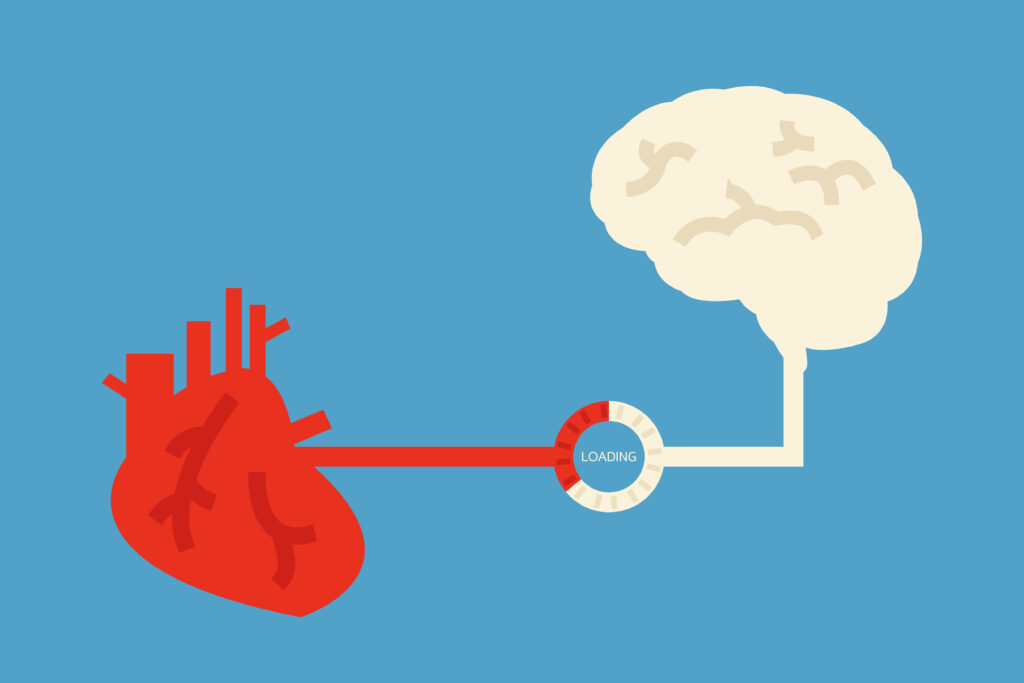
We often think of the heart and brain as being completely separate from each other. After all, your heart and brain are located in different regions of your body, and cardiology and neurology are separate disciplines. Yet these organs are intimately connected, and when your emotions adversely affect your brain, your heart is affected as well.
Men diagnosed with slow-growing prostate tumors that likely won’t be harmful during their lifetimes can often avoid immediate treatment. Instead, they can have their tumor monitored using a strategy called active surveillance. With this approach, doctors perform periodic checks for tumor progression and start treatment only if the cancer begins to metastasize, or spread. Active […]
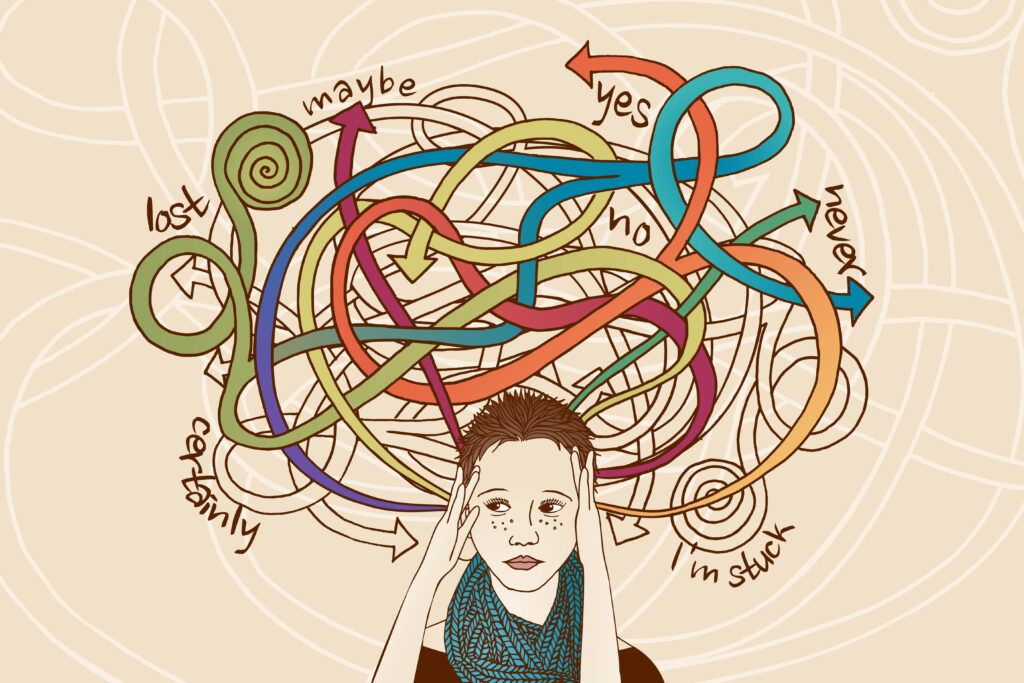
We often think of depression as making someone feel “down,” but it can sometimes show up as cognitive symptoms — for example, trouble with adapting to new information or thinking through a solution to a problem. Researchers recently determined that several common depression medications are not effective at relieving cognitive symptoms. But there are several things people with depression can try to help return themselves to their usual level of cognitive functioning.
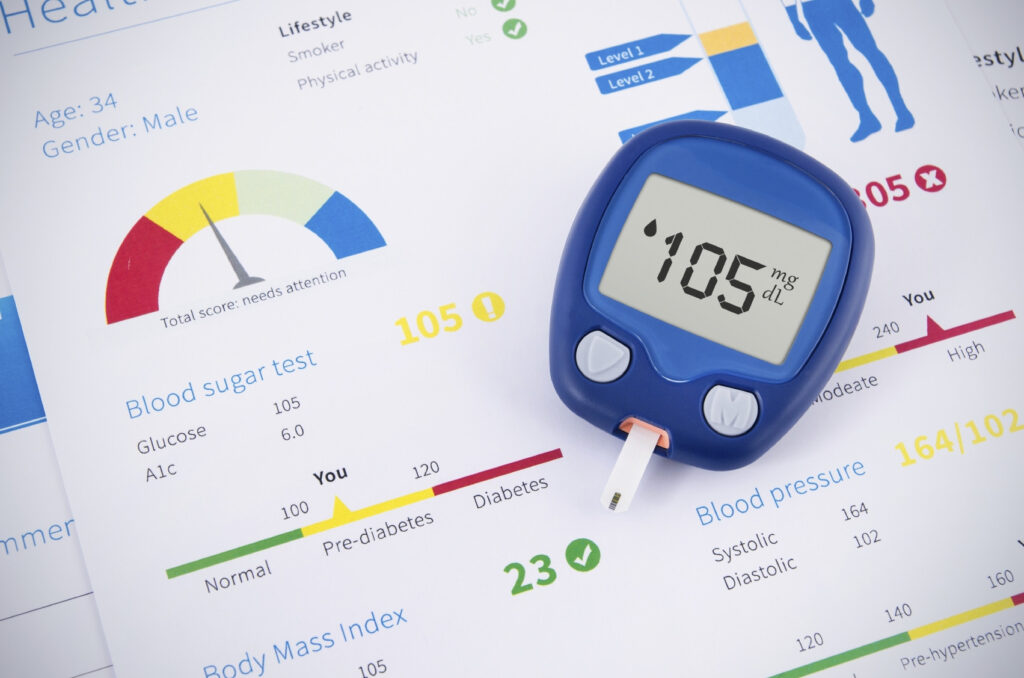
Doctors are often hesitant to prescribe newer drugs. We simply can’t know everything about them until the experiences of early adopters tell us what they’re really like. Such is the case with thiazolidinediones. Some of the more recent diabetes drugs fell out of favor, but a new study suggests that may be helpful for very specific types of patients.
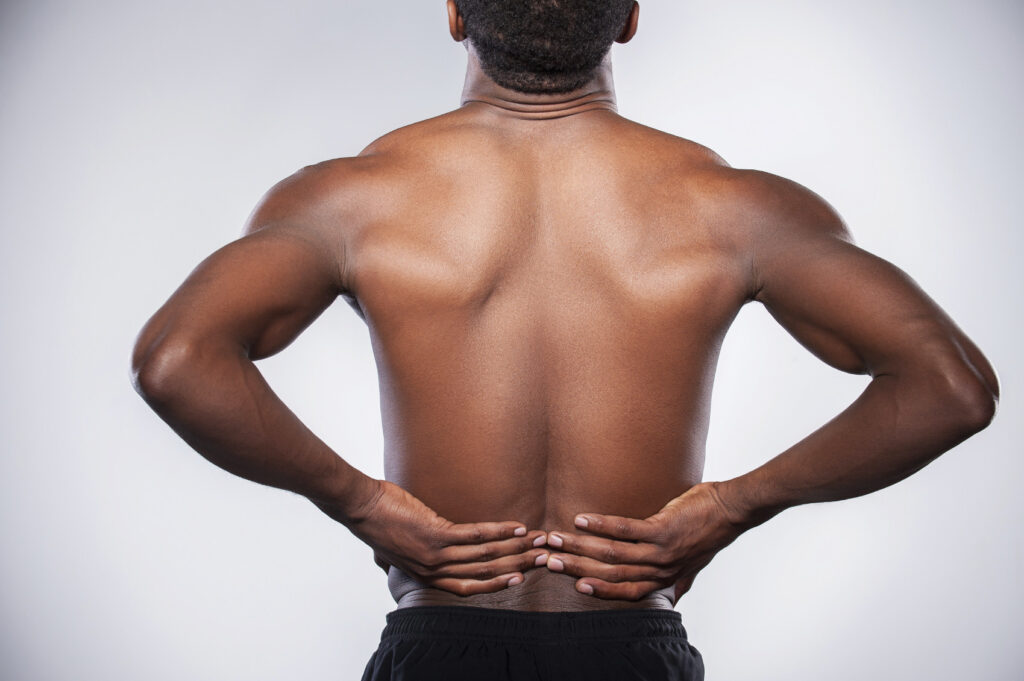
To the surprise of doctors and patients alike, accumulating research suggests that most chronic back pain isn’t actually the result of illness or injury. Study after study indicates instead that back pain is very often caused by our thoughts, feelings, and resulting behaviors. And an exciting new study now demonstrates that treatments aimed at our beliefs and attitudes can really help.
You may have noticed that many playgrounds are now “safer” than they used to be. It’s great to think about safety, especially since there are hundreds of thousands of playground-related injuries every year, and a significant chunk of those are brain injuries like concussions. But it’s also important not to get overprotective — some life lessons about risk and self-confidence are best learned in a fun, stimulating, well-supervised environment like a playground.
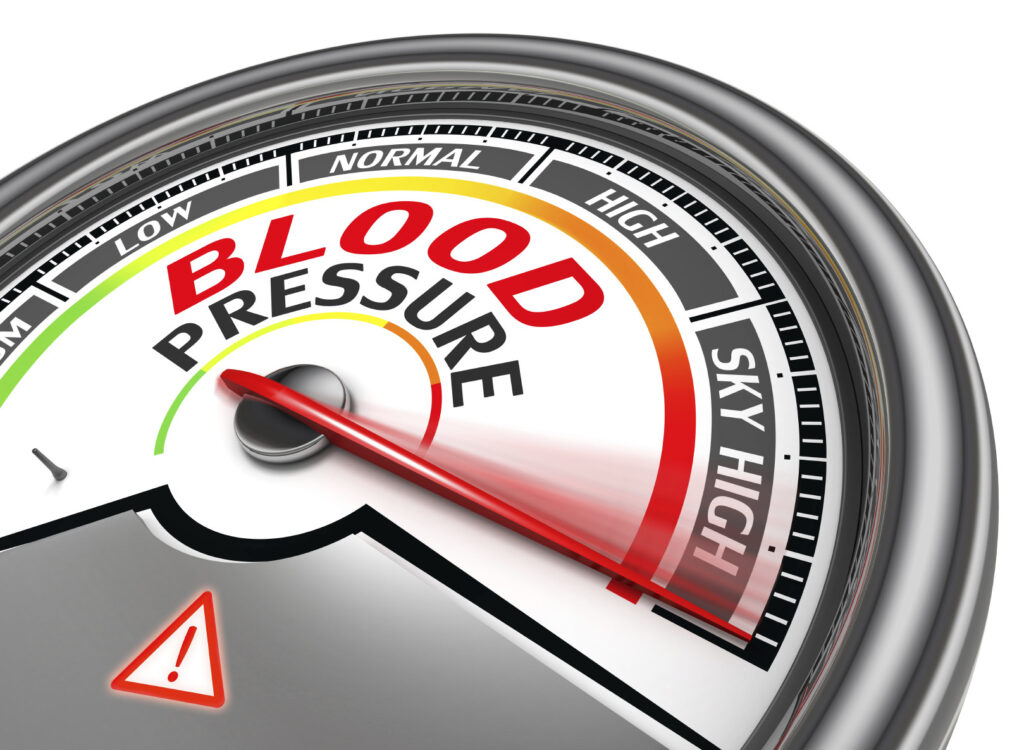
It can be tough to accept a diagnosis of hypertension. It often causes no symptoms, and when doctors diagnose it, they often mention the consequences that may someday happen if it isn’t controlled. This can be a lot to take in if you’re feeling fine! Fortunately, hypertension is easily controlled — and staying on top of the treatment is the first step toward taming this “silent killer.”