Recent Articles

Harvard Health Blog

Read posts from experts at Harvard Health Publishing covering a variety of health topics and perspectives on medical news.

 
It’s July, and the year 2016 is half over! If in January you promised yourself that you’d eat healthier, it’s not too late! In fact, summer is a great time to fine tune and upgrade your diet. The 2015-2020 Dietary Guidelines for Americans is a good roadmap.
A recent journal article describes Michelangelo’s hands as depicted in an attempt to figure out potential joint diseases he may have had. Theories suggest some myths and misconceptions about the causes and symptoms of osteoarthritis and gout. This report has implications for today’s medical care. While a picture may tell a story, there is nothing like a thorough, in person exam to know accurately make sense of signs and symptoms.
There are a wide variety of sunscreen products on the market today that can help to prevent sunburns and skin cancer, but in a recent study published in the journal JAMA Dermatology, researchers found that 40% of the top 65 most popular sunscreens didn’t meet American Academy of Dermatology guidelines. When buying sunscreen, it is important to choose a product that is broad-spectrum, has an SPF over 30, and is water resistant. In addition to choosing the right sunscreen, it’s important to use it correctly in order to truly protect your skin from the sun.

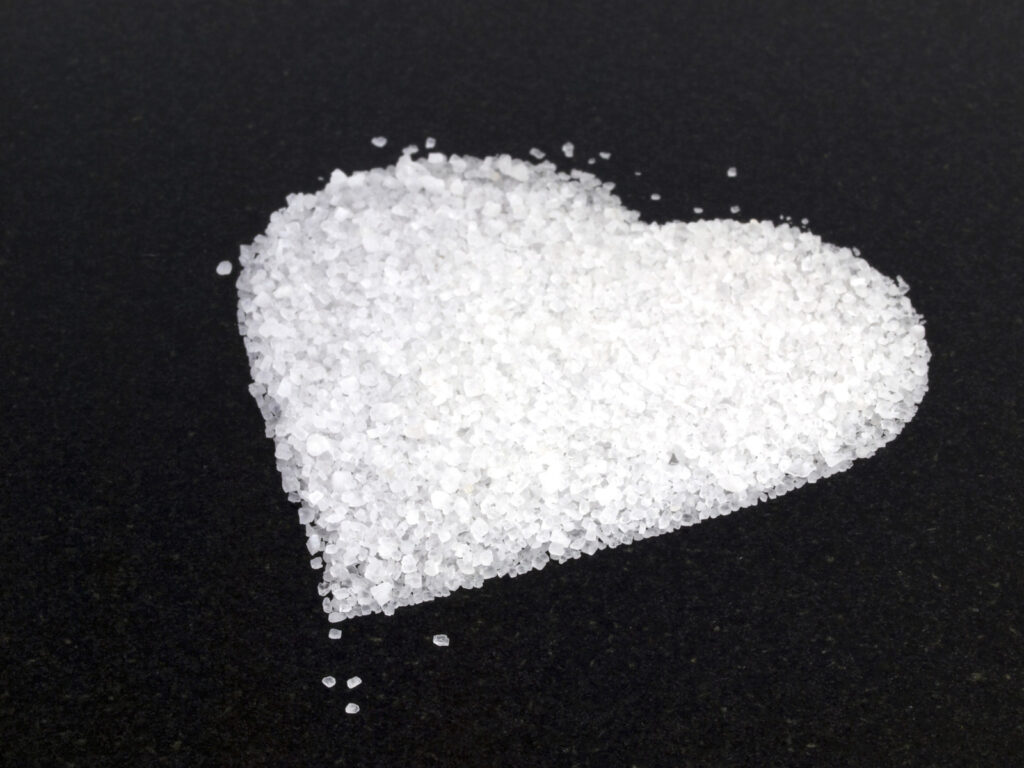
A recently published study claimed that people who ate a low sodium diet were more likely to suffer from cardiovascular disease and death. However, there were problems with this study – including difficulty with accurately measuring each study volunteer’s daily intake of sodium. Low sodium diets may be harmful for small subsets of people, but for the majority of people restricting salt intake is still important for cardiovascular health.
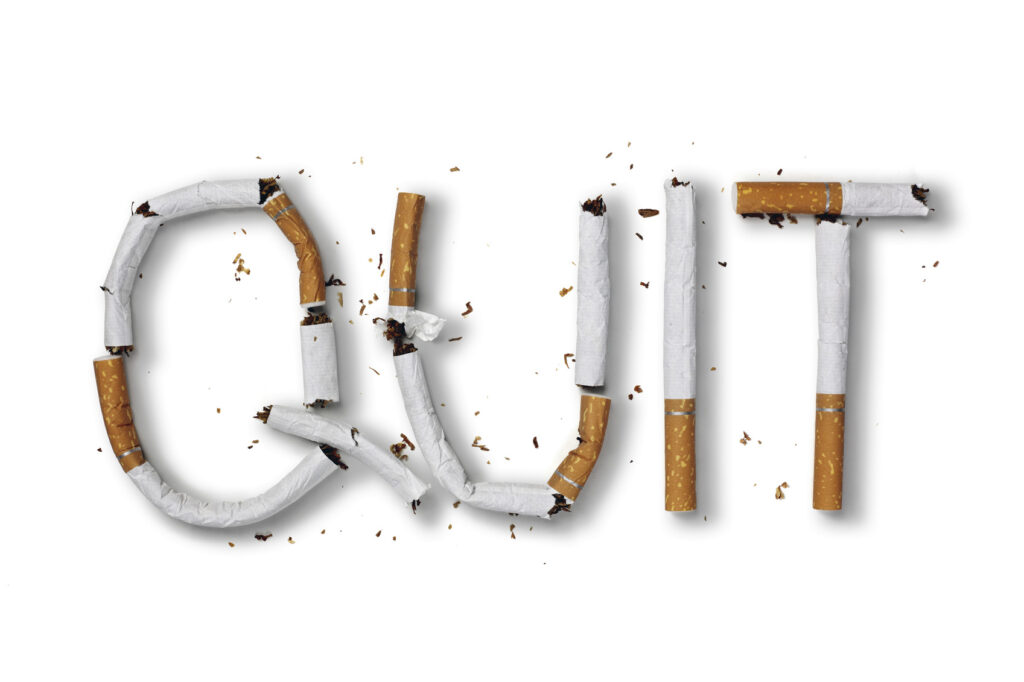
Quitting smoking can add years to your life. The earlier the better, but the benefits of quitting are real and significant, even if you’re 80. There are several ways to quit and it often takes multiple attempts to become and ex-smoker for good. Research suggests that for some people, quitting “cold turkey” may be the most effective approach.
You may have heard of the “placebo effect,” in which people taking an inactive drug as part of a study actually experience an improvement in their symptoms. As it turns out, the placebo effect still exists if you tell people they’re taking a placebo. This “open-label placebo” strategy doesn’t work for every condition, of course, but it’s a promising way to relieve many common symptoms without medication.
Doctors recently discovered a gene in E. coli bacteria that makes it resistant to an antibiotic that is typically used when other drugs fail. This new finding suggests that effectiveness of last-resort antibiotics is at risk. As more bacteria evolve to “outsmart” antibiotics, scientists are increasingly concerned about infections caused by “superbugs” that cannot be treated with existing antibiotics.
The results of the 2015 National Youth Risk Behavior Survey, suggests that few teens are smoking cigarettes, having sex, getting into physical fights, and drinking less soda. This good news is tempered by concerning trends, for example fewer adolescents use condoms when they do have sex, and more of them are trying e-cigarettes.
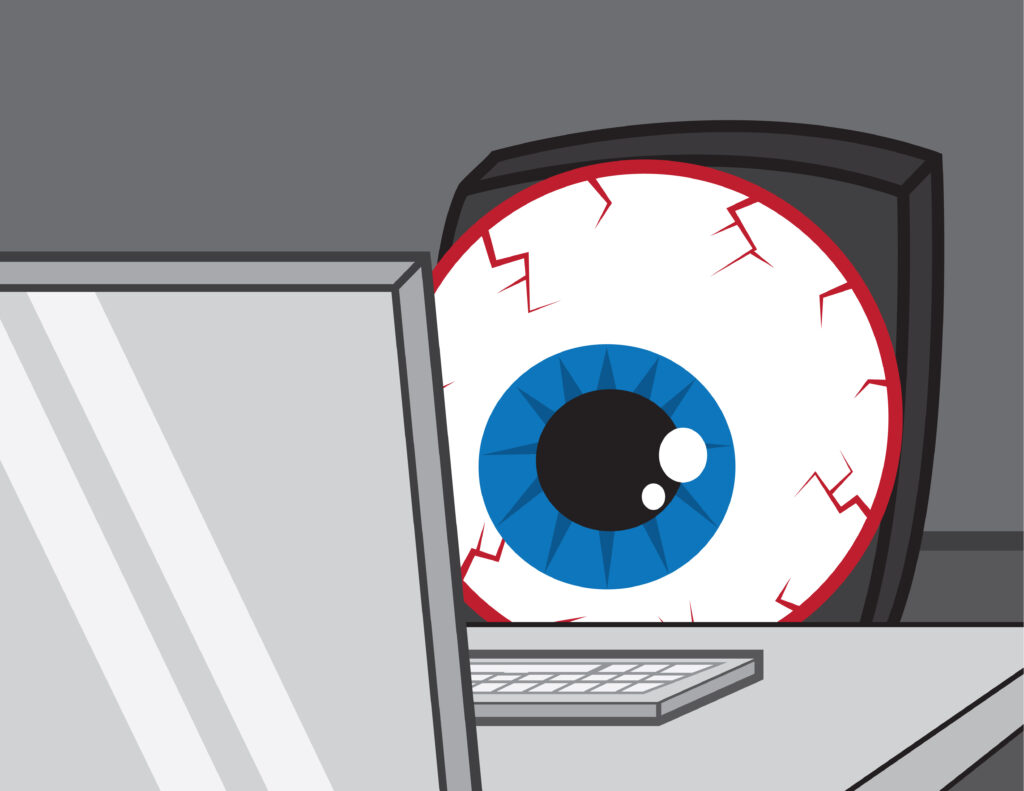
When are symptoms due to a medical condition, and when are they just a part of life? That’s the question that came to mind as I read about “computer vision syndrome.”
Family caregiving is a huge topic nowadays. With over 75 million “baby boomers” poised to become the largest generation in American history to require such caregiving, how can it not be? Already, family members — people like you and me — provide $642 billion worth of unpaid care for our spouses, parents, and relatives each year. But what is the price we pay in terms of our personal well-being, physical and otherwise?
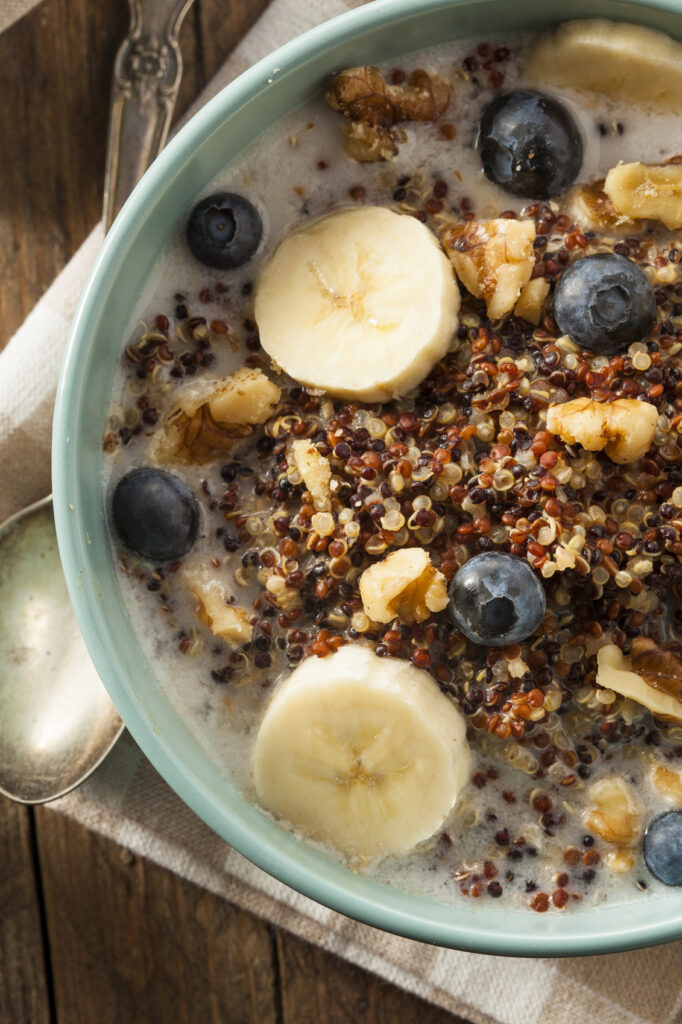
I grew up in the 70s and 80s, and every once in a while a TV commercial would tout a product with the “goodness of whole grains,” like it was some earth-shattering news that would make your mom floor it to the grocery store. Back then it probably was impressive, since many popular foods were loaded with refined grains and added sugar (I’m talking to you, spongy lunchbox treats and cereals with prizes inside the box).
For years, many kids could skip the traditional flu “shot” — along with the tears — and still be protected by the nasal spray vaccine also known as the LAIV (live attenuated influenza vaccine). But not this year. Studies now show that the nasal vaccine is quite ineffective, and pediatricians are starting to change their flu recommendations from a nose squirt to a shot.
As someone who researches inequities in health care, I’ve diligently followed the debate about healthcare reform. However, most of my friends (and I suspect most Americans) wonder exactly what single payer healthcare is and how will it affect them. In a New England Journal of Medicine perspective piece, Jonathan Oberlander, PhD, a professor of social medicine at the University of North Carolina in Chapel Hill, expounds on the history and obstacles facing calls for single payer healthcare reform.
Have you ever gone looking for one thing and found another?
Farmers’ Markets hold many benefits for you and your community. The produce is fresher, and there are no “center” aisles to tempt your sweet tooth. Many farmers’ markets even offer cooking classes to increase your dinnertime variety. Researchers at the Harvard T.H. Chan School of Public Health saw a decrease in soda consumption and an increase in vegetable consumption among those who frequented farmers’ markets this past year.
Miscarriages can be devastating — especially for women who experience recurrent miscarriage, defined as three or more in a row. Doctors used to give these women supplements of progesterone, a hormone that helps maintain a healthy pregnancy. However, a recent study has confirmed that these supplements don’t improve pregnancy outcomes. For those who experience recurrent miscarriage, the best solution may be to simply keep trying.
Research suggests that super-sizing our meals doesn’t just create problems for adults–– when we increase the amount of food that infants and children eat, they gain weight. This weight gain during infancy can lead to over-weight children, and over-weight children are more likely to become over-weight adults. In order to make sure infants and children are a healthy weight, keeping the portion sizes kid-friendly is key.
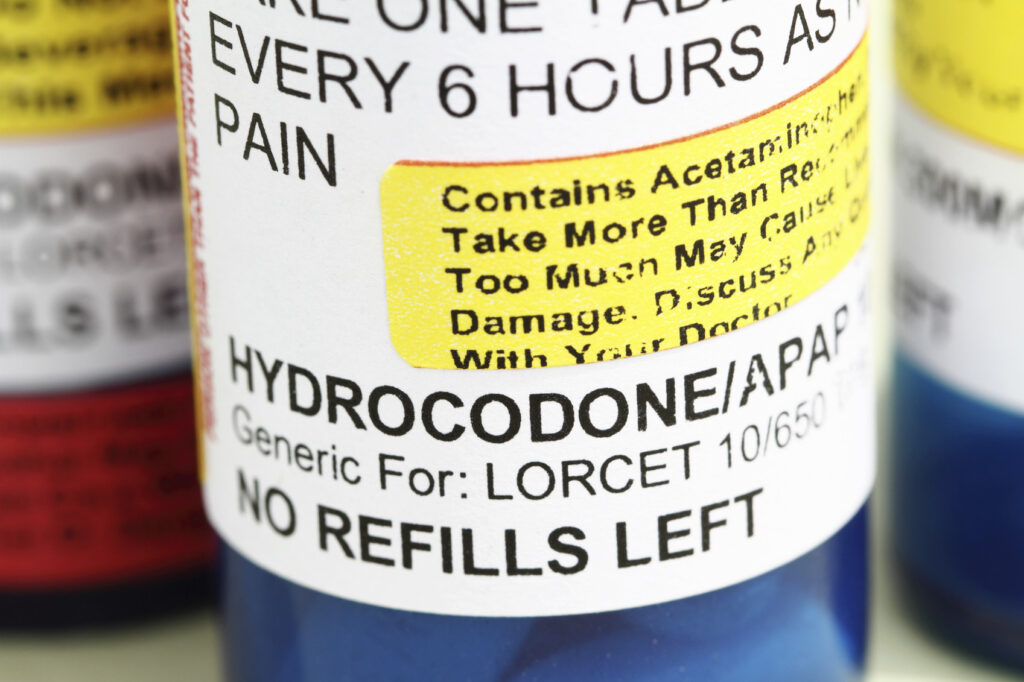
Over the last year, the general public has been inundated with a steady stream of reports about the dangers of opiates — pain medicines like codeine, Percocet, and OxyContin. The harm in terms of ruined lives and death from illicit drugs such as heroin is not news. But what is new, and concerning, are the risks of prescription pain medicines — those doctors prescribe for pain due to a range of causes, including musculoskeletal problems like low back pain.
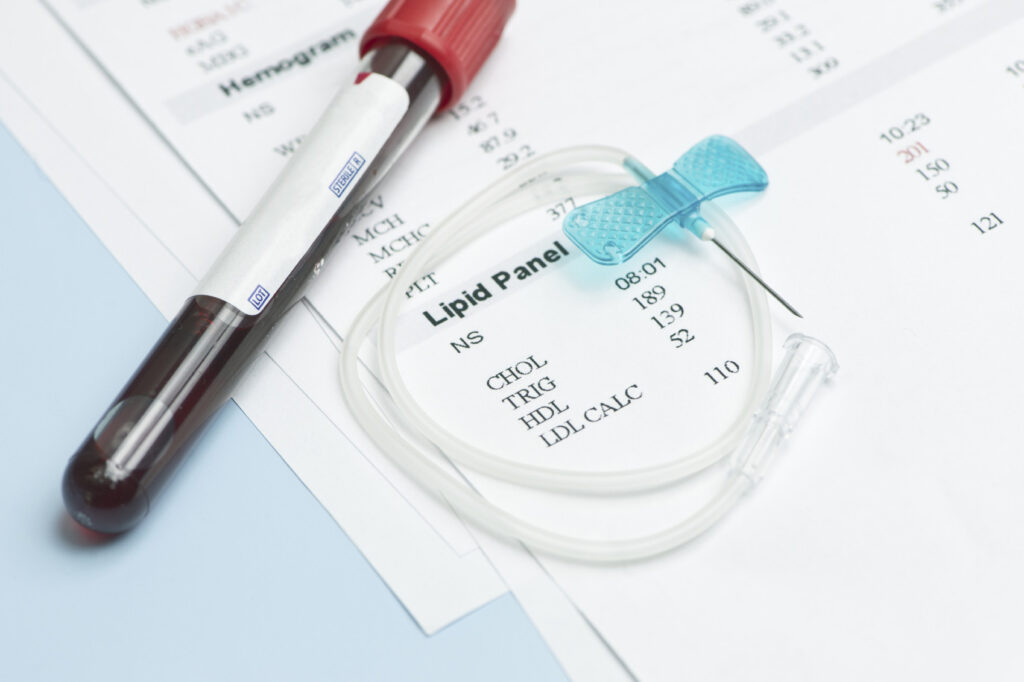
At a recent meeting I offered a visitor lunch which she declined with obvious regret. She was hungry, and it was noon. But she was headed to her annual physical, and eating beforehand would mean returning another morning for a fasting cholesterol level. Most of us can relate to her annoyance, but thankfully this may soon be a thing of the past.
Osteoarthritis — the age-related, “wear-and-tear” form of joint disease — is the most common type of arthritis. And the knee is the most commonly affected joint. In fact, almost half of the population will have knee pain due to osteoarthritis by age 85. There is no cure; the only permanent treatment is a total knee replacement. More than 700,000 of these operations are performed in the U.S. each year, and the rate of knee replacement surgery has nearly doubled between 2000 and 2010.
As it turns out, the things your doctor spends so much time focusing on at your yearly check-up account for just 10% of your health needs. Over half of the total “picture” of your health comes from social, environmental, and behavioral factors. This means that people who have unmet environmental needs — such as being unable to afford healthy food — suffer real consequences to their physical health. We’ve described one initiative that aims to change that.
We typically think of heart attacks as sudden, chest-clutching agony. But the reality is that nearly half of all heart attacks have no symptoms at all and go completely unnoticed by the people experiencing them — and, alarmingly, these “clinically silent” heart attacks are nearly identical to more overt heart attacks in terms of the damage they cause and the risk to a person’s future health.
You probably know that smoking has enormous consequences for your health. One of the most common is chronic obstructive pulmonary disease (COPD), a disorder involving damage to the lungs. If you smoke, but you don’t have COPD, you may be tempted to think your lungs are relatively unharmed — but a recent study suggests that some smokers without COPD might still suffer lung damage.
Like many of us these days, doctors are feeling the pressure of being asked to do more work in less time. This burnout is a big problem for both doctors and their patients, and it has big consequences — some obvious, some less so. In this post, Dr. Adelman explores the relationship between physician burnout and another big problem facing the country — the opioid epidemic.

Free Healthbeat Signup

Get the latest in health news delivered to your inbox!

Stay on top of latest health news from Harvard Medical School.

Plus, get a FREE copy of the Best Diets for Cognitive Fitness.

This site is protected by reCAPTCHA and the Google Privacy Policy and Terms of Service apply.