Harvard Health Blog
Read posts from experts at Harvard Health Publishing covering a variety of health topics and perspectives on medical news.
Millions of healthcare workers on the front lines of the fight against the coronavirus have a much higher risk of becoming infected, and are being put in further danger due to shortages of protective equipment, but they continue to do their jobs while adapting to current conditions.
We all know we’re supposed to wash our hands thoroughly many times a day to help prevent the spread of the coronavirus, but doing so can make skin dry and cracked. What’s the best way to combat this?
Staying at home during the COVID-19 pandemic is challenging for everyone, and the increased anxiety (and boredom) can cause people to abandon their healthy eating intentions and snack on whatever is around. But with a little thought and planning, you can continue to make good food choices and maybe even boost your mood and immunity.
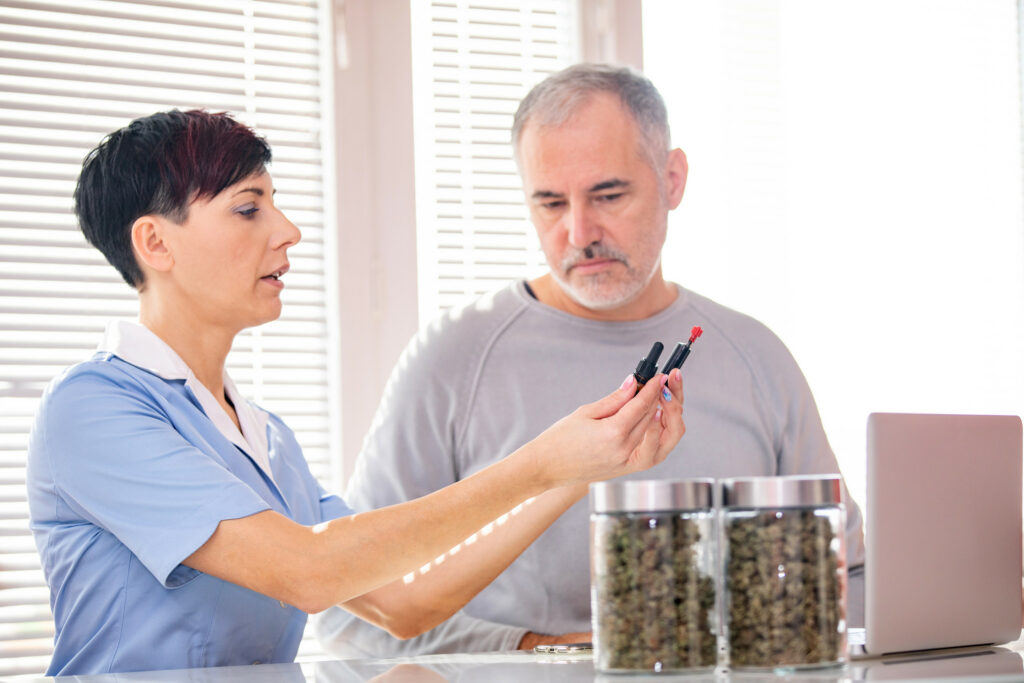
Cannabis use among older adults has been steadily increasing, due to lessening stigma and increased interest in using medical marijuana. But there are specific concerns for older people, so anyone considering this option should have a conversation with their doctor weighing the benefits and risks.
People who are prescribed medication for high cholesterol or high blood pressure may be more likely to gain weight and less likely to exercise, but for those who are on such medications, it’s even more important to commit to making healthier lifestyle choices.
Siblings are not used to spending so much time with each other, so if your children are fighting more during the pandemic-related school closures, here are some tips to help you manage their behavior.
Since most of us have been at home for several weeks, it’s natural to be thinking about intimacy with our partners. But is it safe to have sex during this time? What factors might make it unsafe?
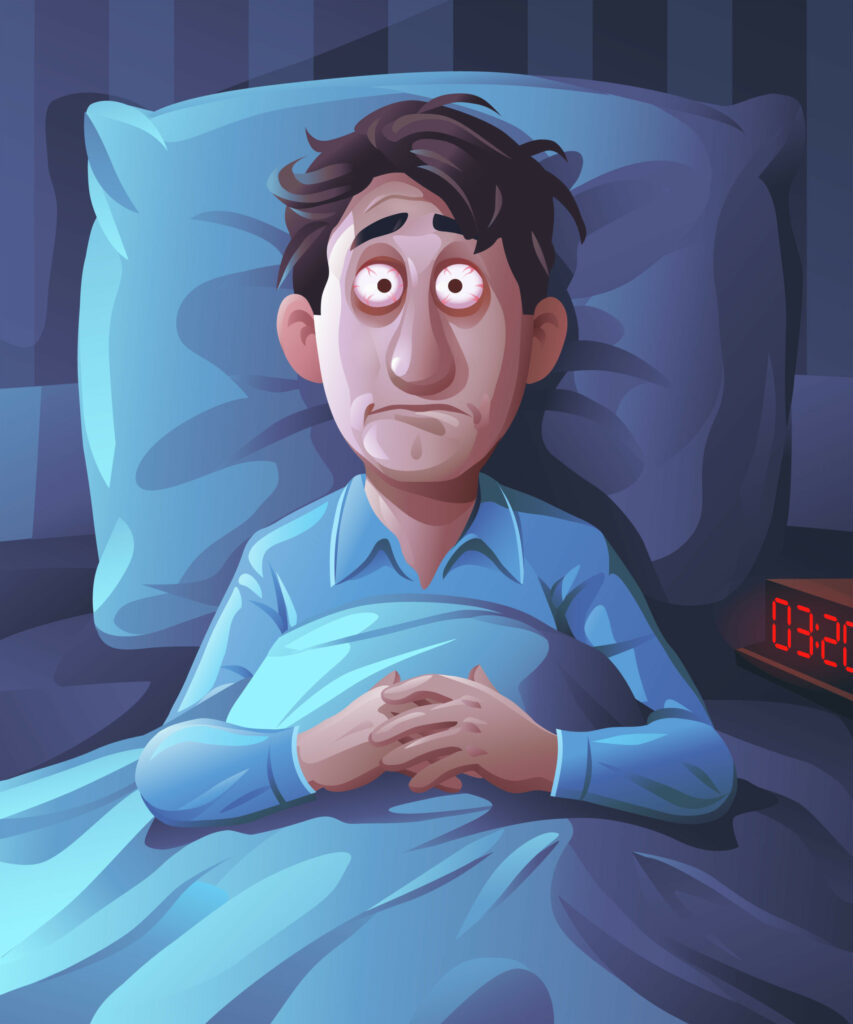
In these challenging times it’s normal to experience sleep problems. Because proper sleep is so important to well-being, here are some tips for improving sleep — actions you can take both during the day and at night.
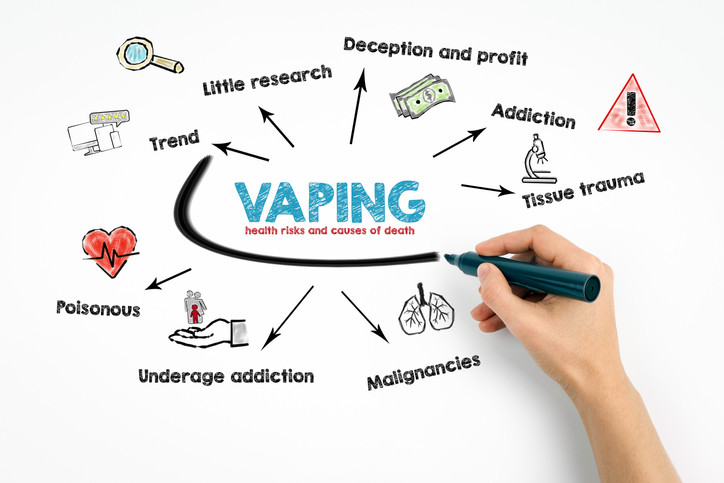
The surge in lung injuries and deaths related to the use of vaping products has raised many questions, along with concerns about potential long-term health issues caused by various ingredients and the heating process.
Because the very nature of recovery support involves face-to-face interaction, whether in support group meetings or dispensing medication, it is at odds with the need for social distancing during the COVID-19 crisis, creating barriers to receiving support and maintaining recovery.
The FDA has not yet released the results of its testing of the heartburn medication ranitidine. The testing method used by the online pharmacy that originally alerted the FDA may have affected their results.
Initial investigation into COVID-19 focused on its respiratory effects, but a more recent report describes serious cardiovascular complications in people with pre-existing heart disease. How does this underlying condition increase risk for these people?
Older people who have a chronic medical condition are at increased risk for severe disease and death if they contract COVID-19. Just how old is “older,” what constitutes chronic disease, and how can you lower risks?
Recent guidelines for screening for hepatitis C focused on baby boomers because that population had most of the undiagnosed infections, but because new infections are increasing fastest in those 20 to 39, the guidelines have been revised.
Concerned about pediatric visits right now? Is it okay to wait on a child’s vaccinations or better to stick to the schedule? What about appointments for other routine matters? What is serious enough to justify the risk?
There are several common triggers for headaches. Identifying the one that is causing your headache is the first step toward avoiding it or ensuring you can treat it properly.
The coronavirus pandemic causing COVID-19 understandably makes most people feel anxious. Coping with the challenges is even more difficult for the many people who have a pre-existing anxiety disorder.
A study of children in China infected with COVID-19 found that most had illness that was asymptomatic, mild, or moderate. Younger children are at higher risk of running into trouble and it’s important to take extra precautions with them.
The idea of a detox diet or cleanse seems like it might be beneficial, and the advertising is certainly compelling, but these products are not regulated in any way. Evidence of beneficial effects from using them is limited, and there are reports of side effects and complications.
The challenge of being isolated from loved ones and friends can be eased by using any of several different apps that enable various types of communication, including video calls and messages.
It’s easy to feel overwhelmed by the daily flood of news about the coronavirus and COVID-19. Here’s some positive news and reasons to feel optimism.
For young people with autism spectrum disorder, the transition from adolescence to adulthood is marked by changes in many areas of their lives. Healthcare providers and caregivers can make this transition smoother and help their patients meet these challenges.
Virtual health care is a convenience in ordinary times, but a valuable tool during a crisis like the one we are experiencing. Also called telehealth, telemedicine, or digital care, it allows medical staff to evaluate patients to determine possible treatment needs and whether they can remain at home.

Skin tags are small, benign growths of skin that frequently appear in areas of friction on the skin. They are harmless and do not need to be removed, but some find them unattractive so there are various ways this can be done.