Recent Articles

Harvard Health Blog

Read posts from experts at Harvard Health Publishing covering a variety of health topics and perspectives on medical news.

 
Platelet-rich plasma, derived from a person’s own blood and then injected back into their scalp, has shown some promise as a treatment for certain types of hair loss. However, the treatments are expensive, and there is no guarantee that they will work.
A Mediterranean-style diet has been shown to benefit cognitive performance, and one food — fish — stands out as helping lower risk of both cognitive impairment and cognitive decline.
Headaches have many possible causes, and proper management requires accurate diagnosis. Someone with increasingly severe headaches would want to have a brain imaging test to determine the underlying causes, but such tests are more effective in certain situations than others.
Attempting to stand up from a seated position on the floor is a good way to assess your overall fitness. No problem? Do it regularly to track your physical health. Having difficulty? Try these exercises to help you improve your fitness.
Babies who show certain digestive symptoms may be incorrectly diagnosed with cow’s milk allergy and put on special diets, although this allergy is uncommon.
Emergency departments have seen a decline in people seeking care, even for serious conditions such as strokes and heart attacks, out of fear of contracting COVID-19. But delaying treatment in such situations could worsen the outcome, and precautions have been taken to ensure the safety of all patients.
Many people wonder if sugar substitutes are worth choosing, or are even safe. There may have a slight benefit for some, but there is also the potential for increased risk of diabetes.
Doctors are increasingly turning to telemedicine as a way to safely treat patients during the COVID-19 crisis. Dermatology is well-suited for telemedicine, though there are limitations due to the limits of technology, and certain conditions that must be seen and treated in person.
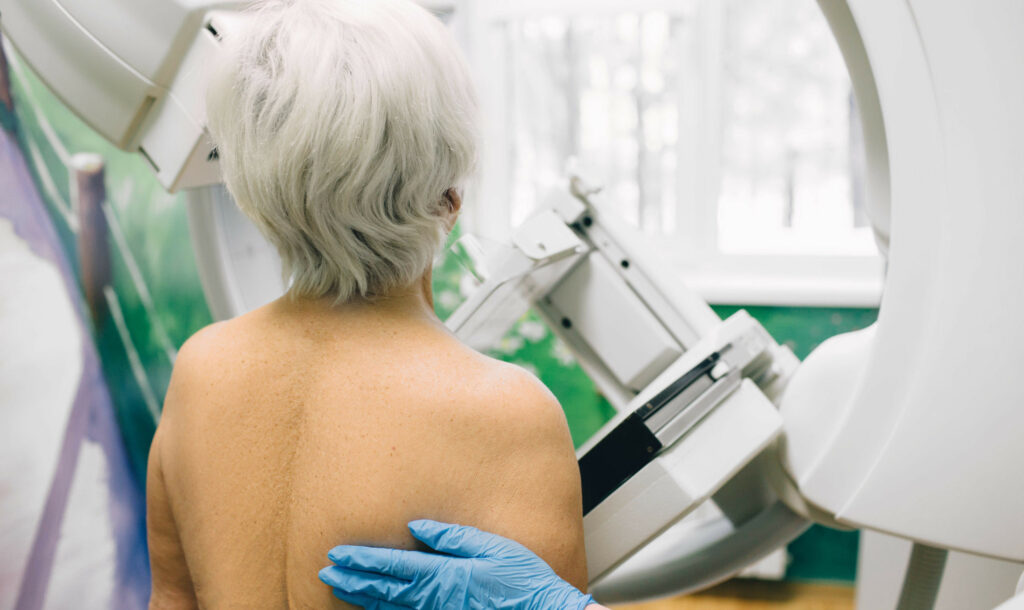
The question of what age a woman can stop having mammograms does not have a definite answer, but is one each woman must answer based on her circumstances and her feelings about the risks of the procedure versus its benefits.
While the COVID-19 pandemic has been challenging for everyone, the LGBTQ+ community faces specific difficulties that add stress to the situation. The resources gathered here can help.
Non-alcoholic fatty liver disease is the most common cause of liver disease in the United States, caused by the accumulation of fat in the liver. The key to preventing complications is to detect and treat it early, but getting a diagnosis can be tricky.
Treatments for prostate cancer are always evolving, and now research is pointing to new ways of treating a cancer that has just begun to spread, or metastasize, after initial surgery or radiation. Doctors usually give hormonal therapies in these cases to block testosterone, which is a hormone that makes the cancer grow faster. But newer […]

A study of older adults found that those who had had more sexual partners were more likely to have developed cancer, but that does not mean there is a causal connection, and there are many ways that sexual behavior can affect cancer risk.
The COVID-19 pandemic has shown that people are capable of changing their behavior— surprisingly fast—when the stakes are high. Can we apply that resolve to other persistent issues that affect our health and quality of life?
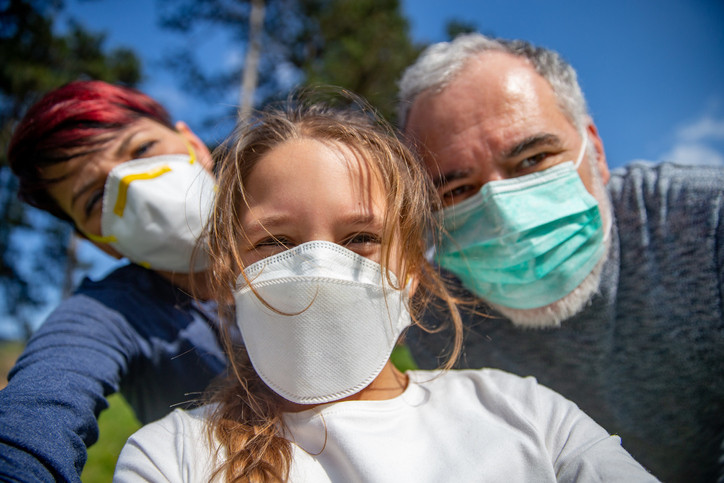
During the COVID-19 pandemic, getting yourself and your children outside helps with both physical and mental health. Be smart and do it safely by following these tips.
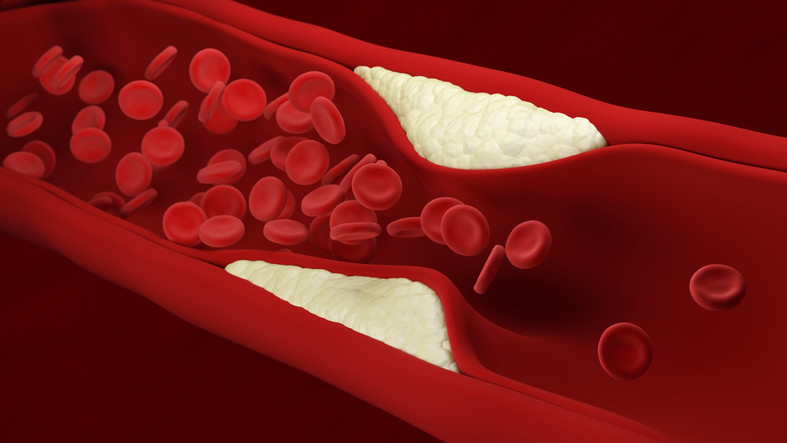
People with disease of the left main coronary artery usually have the option of bypass surgery or angioplasty and placement of a stent. Two recent studies comparing these choices came to different conclusions about which is more effective.
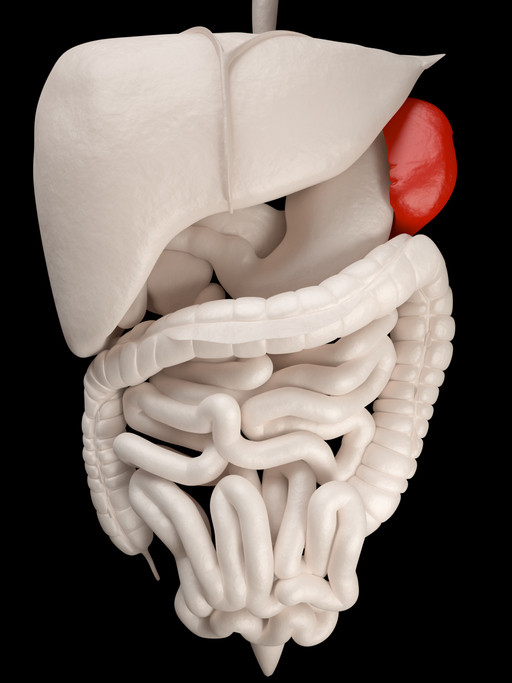
You don’t need your spleen to live a normal, healthy life, but the spleen does play an important role in defending the body against infection, so those without it need to take certain precautions to ensure they remain healthy.
The conditions imposed by the COVID-19 pandemic are challenging for all of us, but are especially difficult for teenagers with autism spectrum disorder and their families. Strategies to support teens and families living with ASD can help lessen the impact of the virus.
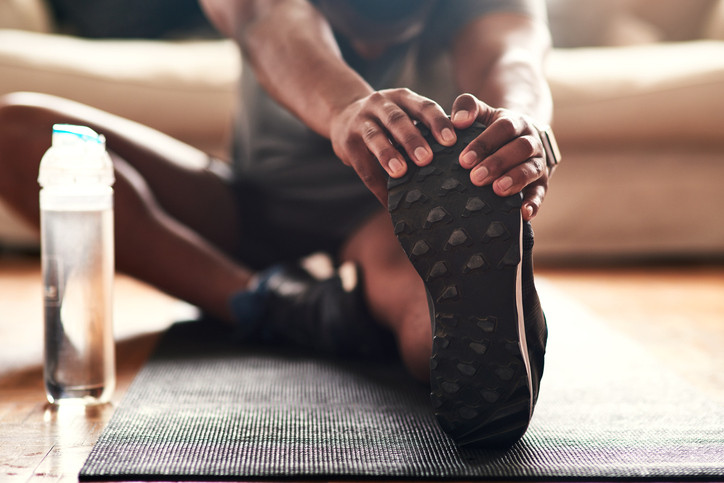
You can’t go to the gym, but needing to stay home makes exercise even more important to boost your immune system, relieve anxiety, and boost your mood. Working out in a small space isn’t a hardship, and it can even be a challenge.
A recent study found that teens with autism spectrum disorder are three times more likely to develop depression, but several aspects of ASD overlap with those of depression, so identifying symptoms of depression in a person with ASD can be challenging.
People living with HIV can suppress the virus by taking medication daily. If the level of virus in a person’s blood is suppressed successfully, research shows that the virus isn’t passed on to others. U=U means “undetectable equals untransmittable.”
Because COVID-19 can affect people of any age and regardless of their health, it’s advisable to consider preparing advance care planning documents and sharing them with your loved ones and your doctors.
Older adults who find themselves struggling with memory, attention, or focus may be diagnosed with mild cognitive impairment, but it could also be ADHD, particularly if the person has other relatives with the condition.
As the coronavirus pandemic stretches on, many people wonder when they can go back to their workplaces. The answers may depend on where a person lives and works, findings from antibody tests, and other factors.

Free Healthbeat Signup

Get the latest in health news delivered to your inbox!

Stay on top of latest health news from Harvard Medical School.

Plus, get a FREE copy of the Best Diets for Cognitive Fitness.

This site is protected by reCAPTCHA and the Google Privacy Policy and Terms of Service apply.