Recent Articles

Harvard Health Blog

Read posts from experts at Harvard Health Publishing covering a variety of health topics and perspectives on medical news.

 
Wondering how to talk to your children about the coronavirus? Here’s how to prepare for questions they might ask and how you can respond.
As parents grapple with school and daycare closings prompted by coronavirus, grandparents have questions about helping with child care and whether they can safely spend time with their grandchildren.
An acoustic neuroma is a tumor in the part of the brain responsible for hearing and balance. While the symptoms can be bothersome, these tumors are not cancerous and they grow slowly, allowing time for consultation with specialists and treatment planning.
There is evidence that antidepressants are not effective in older people with dementia. Emerging research suggests that nondrug, psychosocial interventions are the most effective treatments for depression or anxiety in older adults with cognitive impairment.
Is your child’s school closed due to precautionary measures around coronavirus? Here are some tips to help parents cope.
A study comparing the hearts of apes with four different groups of men demonstrates how the heart adapts over a person’s lifetime depending on what exercise a person does (or doesn’t do). The most revealing part of the findings pertained to men who are generally not active.
While COVID-19 brings normal life to a temporary halt as we practice social distancing, it helps to double-down on deepening social bonds and practicing kindness and gratitude, not emotional distancing.
As with younger children, teenagers are also likely to have questions –– and possibly misinformation –– about the new coronavirus. While the questions may be similar, your answers may be more complex.
A study comparing the outcomes of three eating plans (Mediterranean diet, paleo diet, or intermittent fasting) that were followed for a year found that all participants lost weight, and also had added benefits such as lower blood pressure.
New information about the spread of coronavirus is coming at us seemingly every minute from many sources. But how much of this information is trustworthy? And which sources should you believe?
Anxiety about the new coronavirus is understandable. But there are actions you can take –– or avoid –– to help you cope with anxious feelings and choices you can make to help yourself and others.
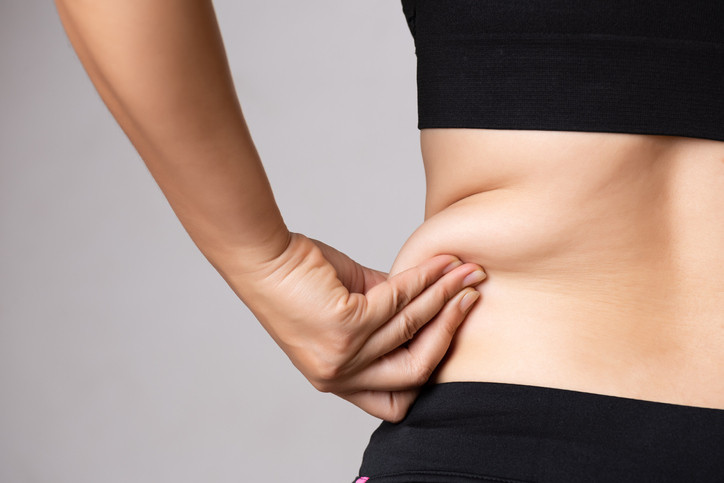
A noninvasive treatment to remove subcutaneous body fat involves the freezing of areas that leads to a reduction in the fat layer. It’s an option for people who have lost weight and are trying to get rid of stubborn remaining fat, but it is not a weight-loss treatment.
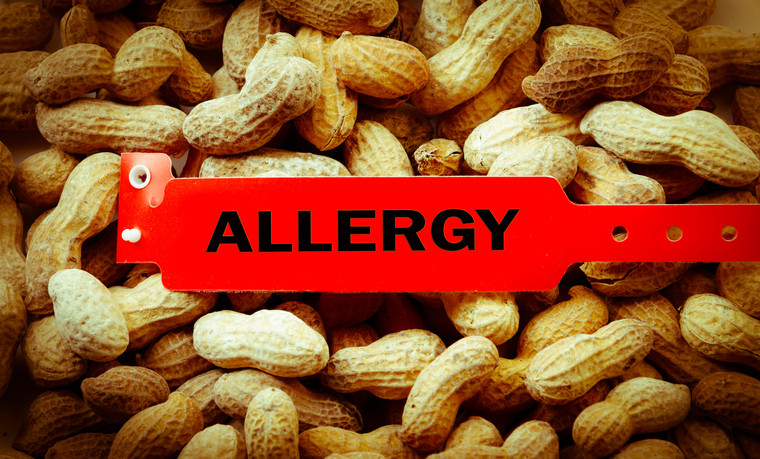
In children with food allergies, peanut allergy is the one most likely to cause a severe reaction. A newly approved medication made from peanut flour treats peanut allergy by giving a gradually increasing dosage over several months.
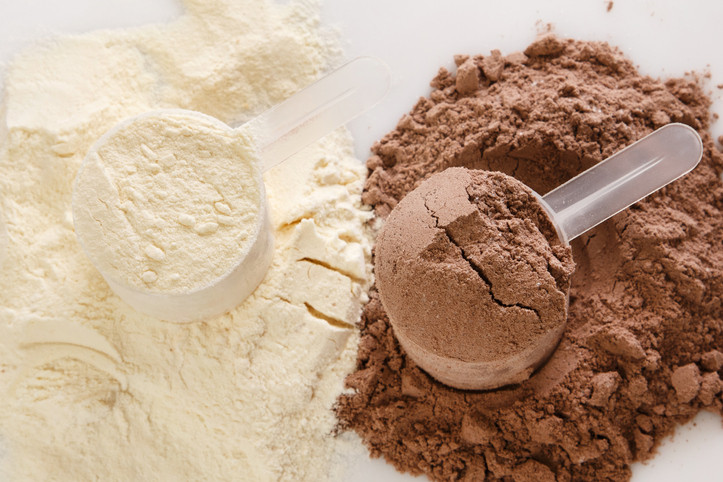
The amount of protein you need depends on your age, health, and the intensity of your fitness routine. For most people it’s relatively easy to get the recommended amount from food, but there are situations when someone might want to consider a protein powder supplement.
Does stress really turn hair gray? Scientists conducted experiments that simulated stress and led to gray hair—in mice, which does not mean it’s true for humans, regardless of what you may have heard in the media.
What prompts a woman to become a surrogate or gestational carrier, carrying a child for people she may not know? The answers seem straightforward in some instances and more complex in others.
An analysis of research suggests those who run regularly –– regardless of pace, distance, or amount of time –– are more likely to live longer and have a lower risk of cardiovascular disease or cancer.
Neuromodulation therapies use a targeted stimulus to help people manage pain. This can be in the form of an electrical stimulation device or a pump containing medication, either of which can be implanted in the body.
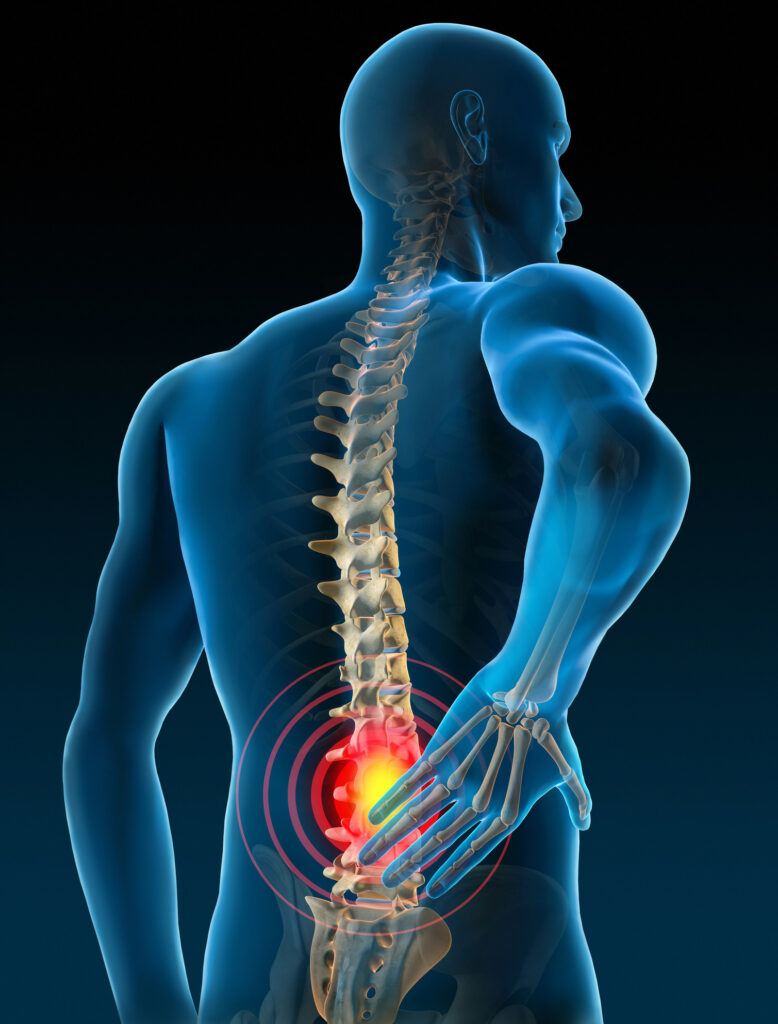
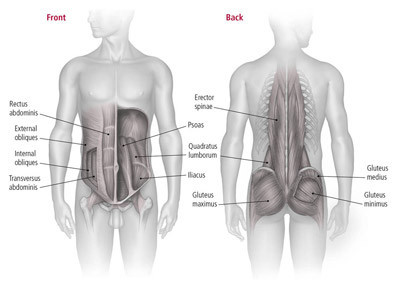
What do slouching, back pain, and a middling forehand or weak shot off the tee have in common? Often it’s a weak core—the girdle of muscles, bones, and joints that links your upper and lower body. Your core gives you stability and helps power the moves you make every day. Whether it’s bending to pick up a laundry basket, swinging a golf club, paddling a kayak, or reaching to pull a vase from the top shelf of a cabinet, a strong and flexible core makes the move more fluid, efficient, and robust. Strong, well-balanced core muscles can also improve your posture and help prevent back injuries. And if back pain does strike, core exercises are usually part of the rehab regimen.

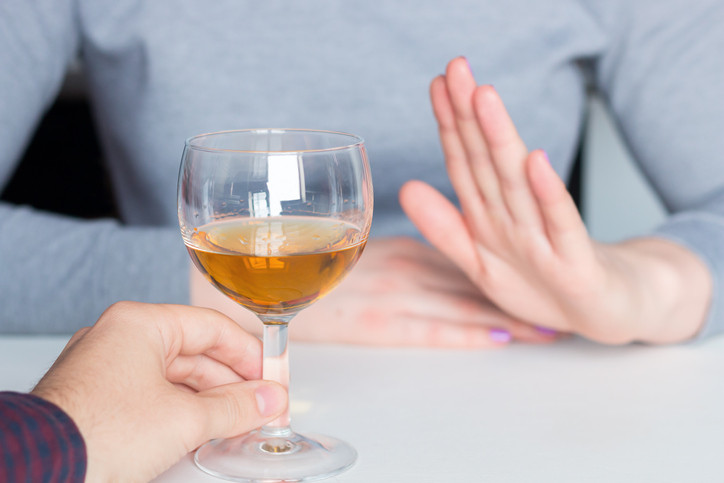
There is good evidence that the more you drink, the more likely you are to develop atrial fibrillation. A study found that people with afib who were willing to abstain from alcohol were less likely to have a recurrence.
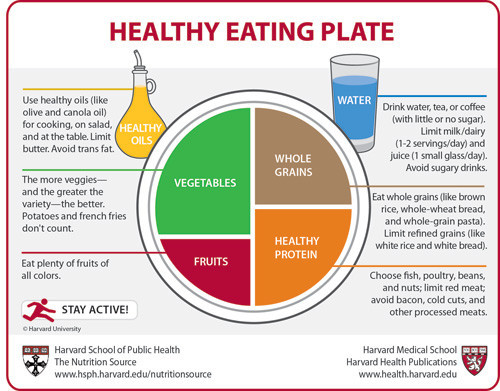
Colleagues at Harvard Health Publishing collaborated with nutrition experts at the Harvard School of Public Health to create the Healthy Eating Plate. “We provide consumers with an easy to use but specific guide to healthy eating based on the best science available,” says Dr. Anthony Komaroff, a professor of medicine at Harvard Medical School..
Snow shoveling is a known trigger for heart attacks. Emergency departments in the snow-belt gear up for extra cases when enough of the white stuff has fallen to force folks out of their homes armed with shovels or snow blowers.

Free Healthbeat Signup

Get the latest in health news delivered to your inbox!

Stay on top of latest health news from Harvard Medical School.

Plus, get a FREE copy of the Best Diets for Cognitive Fitness.

This site is protected by reCAPTCHA and the Google Privacy Policy and Terms of Service apply.