Recent Articles

Harvard Health Blog

Read posts from experts at Harvard Health Publishing covering a variety of health topics and perspectives on medical news.

 
There is already evidence that knee arthroscopy for osteoarthritis does not help most people. A study attempted to determine if the results would be better for people with osteoarthritis and a torn meniscus.
In our inner cities, the COVID-19 pandemic comes on top of another crisis that has plagued our country for years: the opioid epidemic. The combined effects of these two events are immense, and highlight already-existing problems with our society and our health care system.
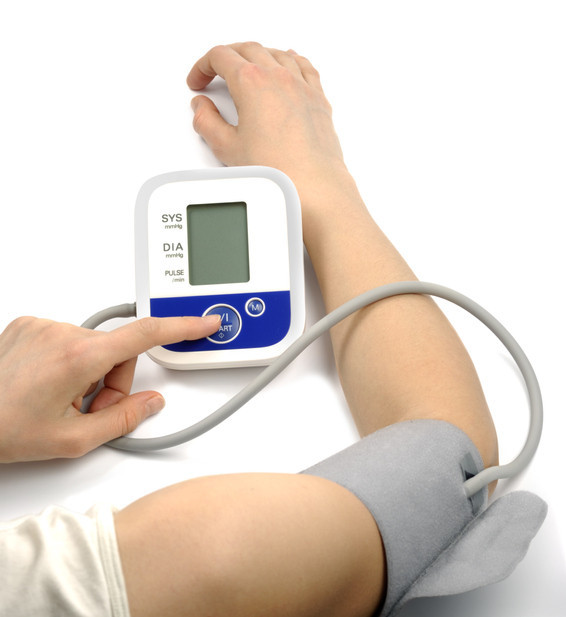
The next time you have your blood pressure checked, don’t be surprised if your doctor, nurse, or other health-care provider measures it twice—once in each arm. A significant difference in the pressure recorded in the right and left arms can signal circulatory problems that may lead to stroke, peripheral artery disease, or other cardiovascular problems.
Daylight Saving Time officially ends at 2:00 am on the first Sunday in November. In theory, “falling back” means an extra hour of sleep this weekend.
Memory slips are aggravating, frustrating, and sometimes worrisome. When they happen more than they should, they can trigger fears of looming dementia or Alzheimer’s disease. But there are some treatable causes of forgetfulness.
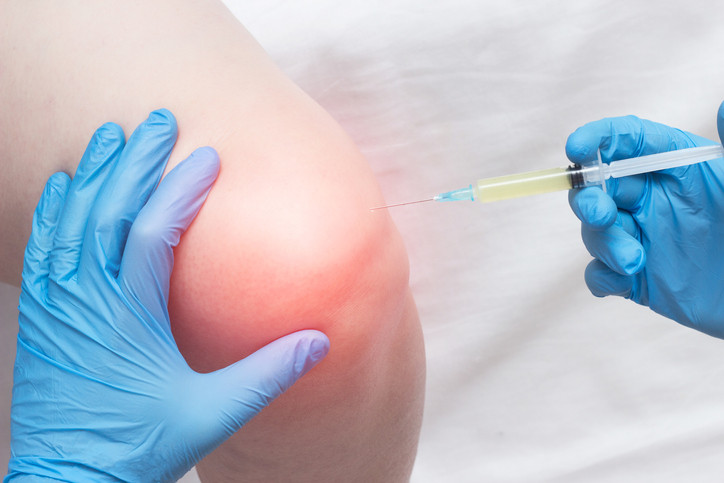
A new report questions the effectiveness of steroid injections for osteoarthritis, but does this mean that everyone who is already receiving these injections, or may be a candidate for them, should avoid them?
Millions of Americans have trouble sleeping, a factor that is key to cardiovascular health. Two recent studies examined the relationship between sleep and heart health, and between sleep and dietary choices.
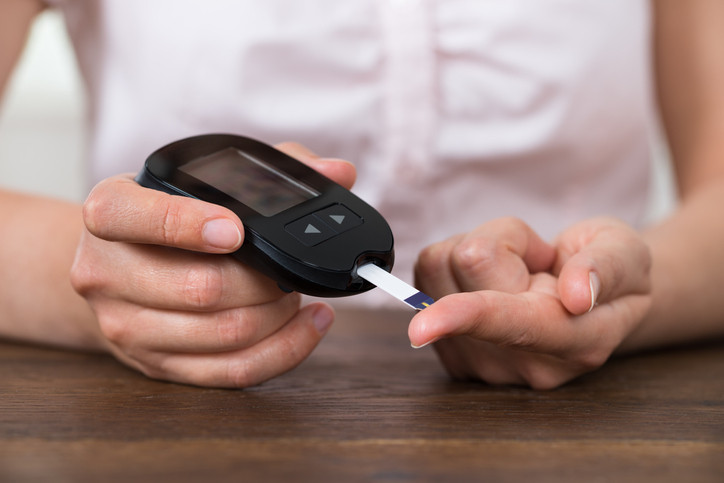
Some data suggest that people with diabetes who get COVID-19 are more likely to have serious complications or to die. If you have diabetes, you need to take steps to reduce your risk of getting sick.
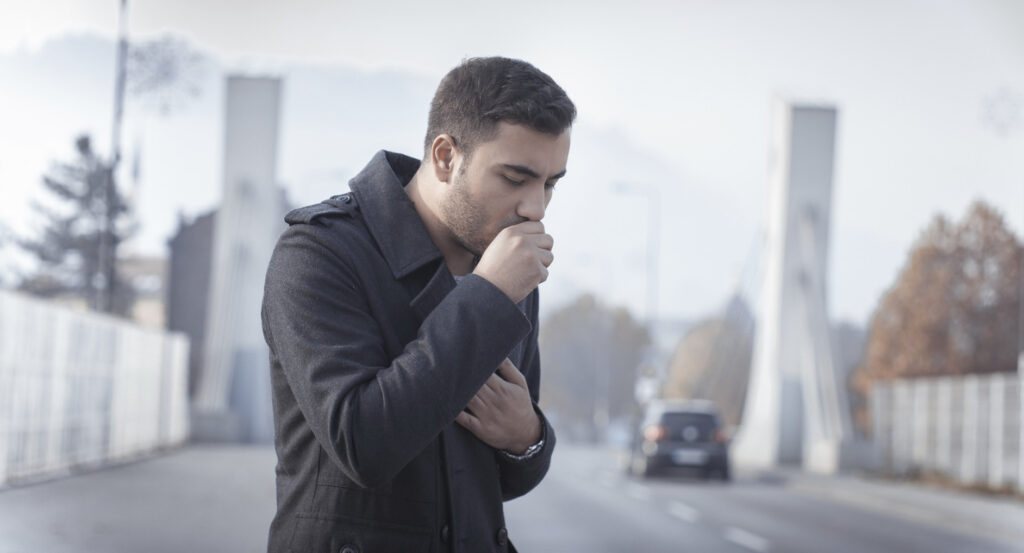
Who has never had a cough? I bet no one can raise their hand. We see this in clinic all the time. But chronic cough— one that lasts at least eight weeks — can be hard for patients to deal with and difficult for doctors to figure out.
“Floaters” and flashes are a common sight for many people. Floater is a catchall term for the specks, threads, or cobweb-like images that occasionally drift across the line of vision. Flashes are sparks or strands of light that flicker across the visual field. Both are usually harmless. But they can be a warning sign of trouble in the eye, especially when they suddenly appear or become more plentiful.
Many of my patients who come into the office for their physical exams ask to have their vitamin D levels checked. They may have a family member with osteoporosis, or perhaps they have had bone thinning themselves. Mostly, they want to know that they’re doing everything they can to keep their bones strong. Vitamin D is critical for healthy bones. But when we check that blood level, how to act on the result is the subject of great controversy in medical-research land.
Most people with type 2 diabetes also have obesity. Weight-loss surgery has a positive impact on risk factors for heart disease, and a recent study found that this surgery significantly reduced the risk of death in people with obesity and diabetes.
You’ve probably heard more about self-care lately than usual. Because our current situation is so abnormal and stressful, looking after yourself is even more important, and no one is more aware of this than doctors and other medical personnel.
Depression often occurs alongside cardiovascular disease, or may already exist and worsens with it, but frequently the symptoms go unrecognized. The American College of Cardiology recommends screening patients to identify symptoms of depression.
Not a fan of running? Good news: You don’t need to run fast, far, or that often to reap benefits. And you can ease into running by doing a run/walk program, where you alternate periods of running and walking and gradually increase the time spent running.
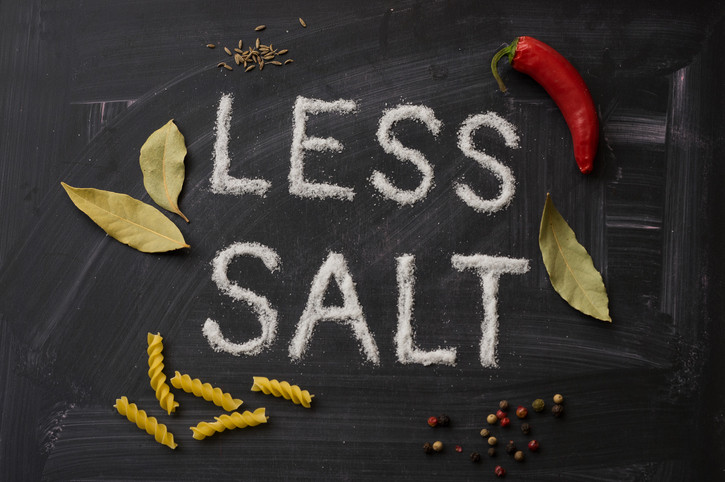
Most Americans consume far too much sodium, which raises blood pressure and the risk of heart disease. Spending this extended period of time close to home is a good opportunity to work on cutting sodium from your diet by preparing low-salt meals.
It may be difficult to impress on your teenage children the importance of staying home and not socializing with their friends during this pandemic, but as parents, you are going to have to convince them. Here are some helpful tools and ideas.
One of the possible side effects of chemotherapy that is not as well-known is hearing loss. If you are going to undergo chemotherapy, you should have your hearing tested before and after the course of treatment.
As the COVID-19 crisis keeps us at home for longer and longer, it’s important to acknowledge that this situation is having negative effects on everyone’s mental health. Here’s how parents and families can take care of themselves in ways that go beyond normal self-care strategies.
Anyone who experiences a symptom of illness will be concerned that it might be COVID-19, but at this time of year many people have allergy symptoms, and it’s still possible to catch a cold, although flu season is ending. Here are key symptoms of seasonal allergy, cold, flu, and COVID-19 to help you take action as needed.

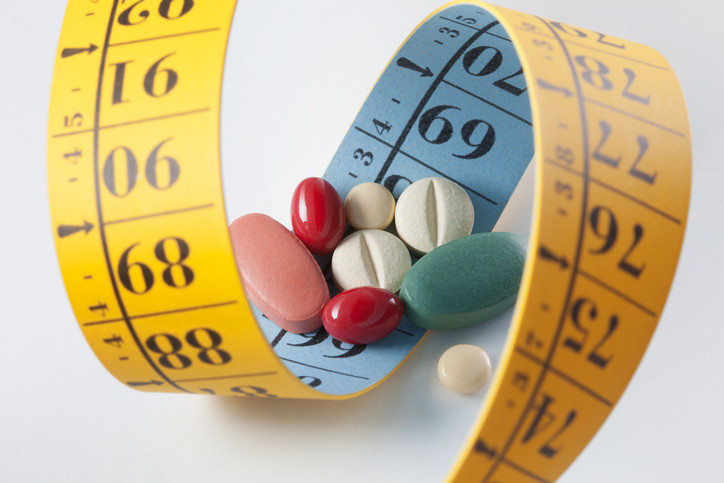
Findings from a follow-up on people taking the weight-loss medication Belviq showed a slight increase in the occurrence of cancers, resulting in the drug being withdrawn from the market at the request of the FDA.
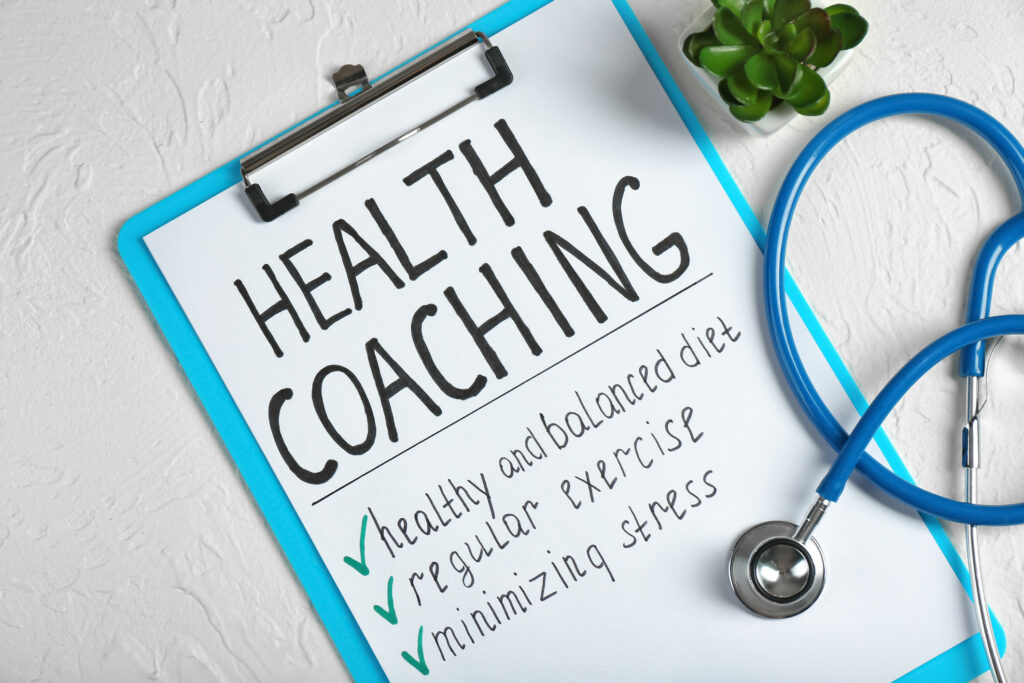
The growing field of health and wellness coaching uses motivational techniques and positive psychology to offer people individualized support as they work to achieve their health goals.

Free Healthbeat Signup

Get the latest in health news delivered to your inbox!

Stay on top of latest health news from Harvard Medical School.

Plus, get a FREE copy of the Best Diets for Cognitive Fitness.

This site is protected by reCAPTCHA and the Google Privacy Policy and Terms of Service apply.