

Harvard Health Blog
Read posts from experts at Harvard Health Publishing covering a variety of health topics and perspectives on medical news.

Grief and depression can seem similar on the surface, but one key difference is that people suffering from depression tend to be isolated, and are more likely shun the support from others that typically accompanies the experience of losing a loved one.
These days, when I must give one of my patients the bad news that he or she has type 2 diabetes, the response is sometimes along the lines of “Well, I figured it was just a matter of time before that happened.”

A large study from Europe does little to resolve the controversy over whether men should have a simple blood test to look for hidden prostate cancer. In the study, the number of deaths over the course of the 11-year study were the same in men tested for prostate-specific antigen (PSA) and in men who didn’t have the test. Because prostate cancer usually grows very slowly, detecting it in an older man generally isn’t helpful. Some men live with the side effects of treatment—notably impotence and incontinence—for a cancer that would have had no effect on the length or quality of their lives. This study and others suggest that we rethink the widespread use of PSA testing, especially the yearly screening that is common in the United States.
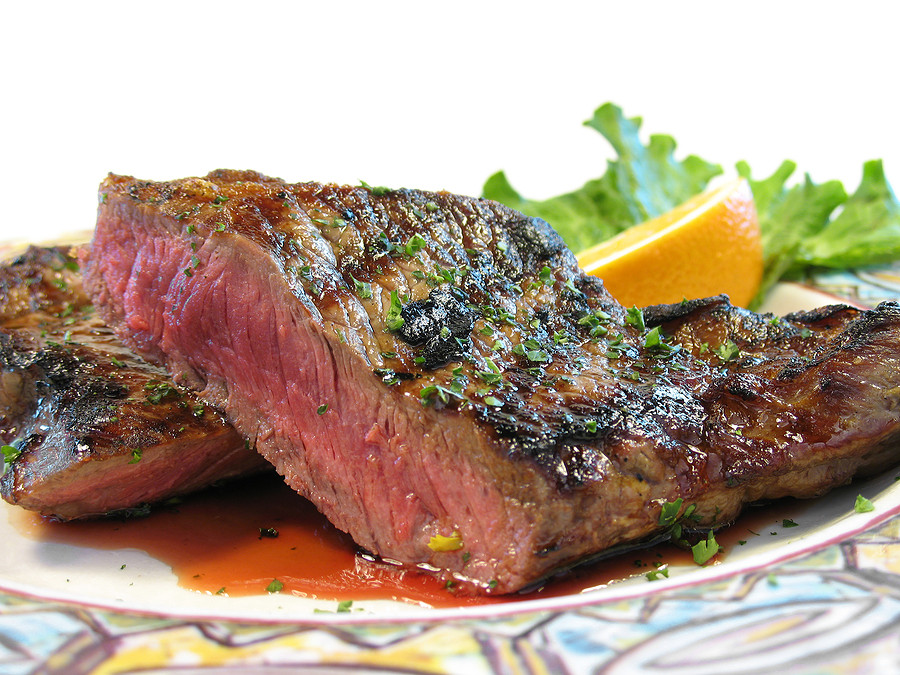
A new study from the Harvard School of Public Health suggests that a steady diet of red meat increases the odds of dying prematurely. In the study of more than 121,000 men and women, every extra daily serving of unprocessed red meat (steak, hamburger, pork, etc.) increased the risk of dying prematurely by 13%. Processed red meat (hot dogs, sausage, bacon, and the like) upped the risk by 20%. In absolute terms, the increase isn’t so scary. Among women, the death rate was 7 per 1,000 women per year among those eating about one serving of red meat a week, and 8.5 per 1,000 women per year among those eating two servings a day. The increased risk from red meat may come from the saturated fat, cholesterol, and iron it delivers. Potentially cancer-causing compounds generated when cooking red meat at high could also contribute. Sodium, particularly in processed foods, may also play a role.

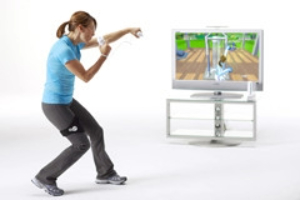
Active-play videogames, also known as exergames, are a high-tech approach to fitness that could help some people become more active and stay that way. As described in the March 2012 Harvard Heart Letter, exergames offer muscle-strengthening workouts, balance and stretching games, aerobic exercises and dancing, martial arts, and simulated recreational activities such as golf, skiing, and more. Current exergames deliver moderate workouts at best. Some fitness and senior centers now incorporate exergames into their facilities. For a home system, you’ll probably spend about $250 for the basics — console, accessories such as handheld controls or balance board, and software.

More and more parents are “redshirting” their young ones. That’s the practice of not starting a child in kindergarten until after his or her sixth birthday. Ann Densmore, EdD, an expert in language and social communication skills in children and co-author of Your Successful Preschooler, said parents do this to gain competitive advantages for their children and as a response to the shift in what kindergarten is. You can help prepare your children for kindergarten by ensuring there is adequate facilitated play in preschool. On the community level, talk with teachers, principals, and other parents. Challenge school committees. And realize that starting kindergarten is a new beginning for a child and his or her parents.

Children who snore, or sometimes stop breathing during sleep for a few seconds then recover with a gasp (a pattern known as sleep apnea), are more likely to become hyperactive, overly aggressive, anxious, or depressed, according to a new new study in the journal Pediatrics. How could snoring or apnea contribute to behavioral or emotional problems? It is possible that nighttime breathing problems during the brain’s formative years decrease the supply of oxygen to the brain. That could interfere with the development of pathways that control behavior and mood. It is also possible that breathing problems disturb sleep, and it’s the interrupted or poor sleep by itself that may cause trouble in the developing brain.
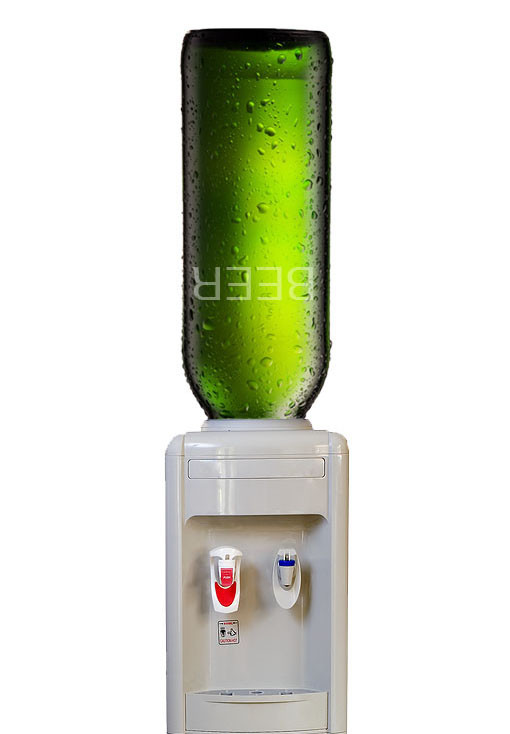
Drinking in the workplace may be an emerging trend, but it isn’t necessarily a healthy one. Although drinking on the job may not be as widespread as portrayed on the hit TV show Mad Men, it is still with us. About 8% of full-time employees report having five or more drinks on five or more occasions a month, and one survey showed that 23% of upper-level managers reported drinking during work hours in the prior month. In the United States, excessive drinking costs $223 billion a year. Some of these costs are generated by the nearly 18 million Americans who are alcoholics or have alcohol-related problems. But some also comes from a nearly invisible group, “almost alcoholics.”
A new ruling from the FDA offers good news and some warnings for people who take a cholesterol-lowering statin. The good news—no more periodic blood tests for liver function. The warnings—taking a statin may increase the odds of developing type 2 diabetes or suffering reversible memory loss or problems thinking. The FDA warned that one statin, lovastatin, shouldn’t be taken with some antibiotics, anti-fungal agents, or medications used to treat AIDS.

Consider this scenario: You are the parent of a six year-old child. He recently had strep throat, but is feeling better. One morning, his screaming wakes you up. You can’t calm him down or completely follow what he is talking about, but it has something to do with germs and fear and danger. The morning is consumed with attempts to comfort him and try to understand what is going on. Getting to school isn’t an option, which is highly unusual for him. Over the next few days, it gets worse. He washes his hands until they bleed, and refuses to eat because he says the food is contaminated.

Games are meant to be fun and exciting. Some involve the body, some the mind. Others do both. Researchers are tapping into this engagement to use games to heal an ailing mind or body. Researchers are testing virtual reality to help people with mental and physical problems ranging from post-traumatic stress disorder and stroke rehabilitation to smoking cessation and stuttering. Exergames may also help people become more physically active. Although they won’t help you lose weight or train for a marathon, many meet the American Heart Association’s criteria for “moderate-intensity daily activity,” meaning they could stand in for taking a walk.
An epileptic seizure is a frightening thing to experience, and almost as frightening to watch. Fortunately, most seizures stop on their own after a couple minutes. Any that last longer than five to 10 minutes (doctors call a long-lasting seizure status epilepticus) are a medical emergency and must be halted with medication. A new study shows that delivering anti-seizure medication with a hand-held auto-injector—much like the epi pens used by people with life-threatening allergies—is better than delivering them intravenously. This study could pave the way for home treatment of epileptic seizures.

Most of the changes that come with pregnancy—growing a belly “bump,” being tired, mood swings, cravings for particular foods, and the like—are normal, temporary, and harmless. Two other changes, pregnancy-related high blood pressure and diabetes, may have long-lasting implications for heart health. The development of high blood pressure during pregnancy is known as preeclampsia; pregnancy-related diabetes is called gestational diabetes. They are different from “regular” high blood pressure and diabetes because both are “cured” by delivery. A new study published this week in the journal Circulation suggests that these complications boost a woman’s risk of cardiovascular disease during middle age.
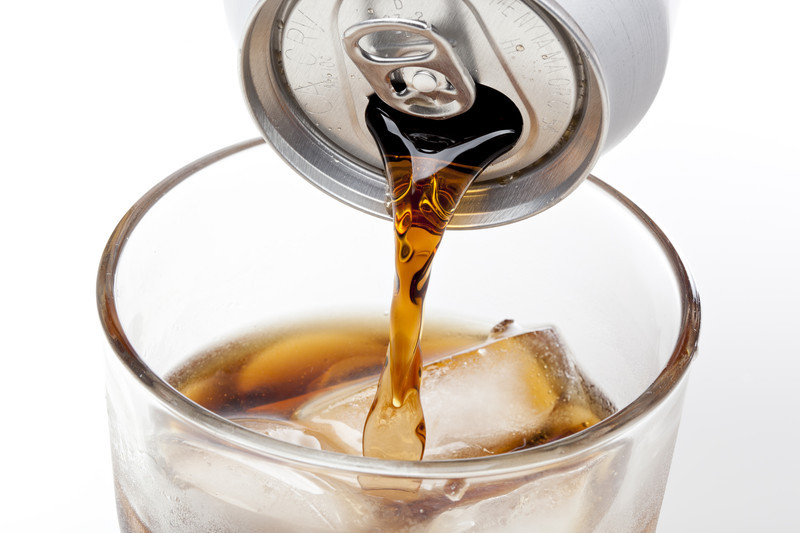
I’m a big fan of diet soda. I like the taste, and I love that it doesn’t have any calories. I can drink two or three diet sodas a day and not worry about gaining weight. But a new study has me wondering if enjoying the sweetness of soda without the sugar and calories is such a good thing after all. University of Miami and Columbia University researchers found that daily diet soda drinkers were more likely to have had a stroke or heart attack over the course of a 10-year study, or to have died from vascular disease, as folks who didn’t imbibe diet soda. My husband gently (but persistently) tells me there is nothing good about drinking diet soda, not even the taste I claim to enjoy so much. The evidence seems to be backing him up.
Worrisome shortages of important medications—from drugs to manage the symptoms of ADHD to standard cancer drugs—have been in the headlines lately. A shortage can be frightening to the people who need a hard-to-get medication, and frustrating for the clinicians who prescribe it. Manufacturing and quality control issues are among the primary reasons for drug shortages. The FDA can sometimes help ease a drug shortage. What can you do if you are affected? Ask your doctor if another medication might work for you. Be especially wary of Internet or faxed advertisements for alternatives (often highly priced and sometimes counterfeit).
It’s hard for someone who has never battled an addiction to understand how or why a person can’t break free of one. An exchange on the radio about pop star Whitney Houston’s addictions underscores the misconceptions many people have about addiction. Addictions retrain the brain in a way that couples liking something with wanting it. There are important gender differences in addiction. Although men are more likely than women to become addicted to drugs or harmful behaviors, women who have an addiction face tougher challenges.

Sleep may be time off for the body, but it’s part of a day’s work for the brain. During sleep, the brain is hard at work processing the events of the day, sorting and filing, making connections, and even solving problems. New research suggests that dreaming can improve memory, boost performance, and even improve creativity. Naps have been shown to improve recall. Napping won’t make you smart or assure success, but it can help improve your memory and solve problems. Sleeping well at night, and long enough, is associated with good health. The combination is a two-step approach that should give everyone something to sleep on.
Media reports describing “broken heart syndrome” often lump together two completely different conditions. One is stress cardiomyopathy, sometimes known as takotsubo cardiomyopathy. The other is myocardial infarction, better known as a heart attack. A huge sudden stress—like news that a loved one has died, experiencing an earthquake, or learning that your accountant has stolen all of your retirement savings—unleashes a torrent of stress hormones that can trigger one of those conditions. Stress cardiomyopathy is a weakening of the left ventricle, the heart’s main pumping chamber. Over the course of a week or longer, the left ventricle tends to recover its pumping power. Heart attacks occur when something—usually a blood clot—blocks blood flow to part of the heart muscle.
We tend to think that stopping an addictive behavior means joining a group, seeing a therapist, going to a treatment center, or taking a medication that helps with cravings. Some people manage to break an addiction without any help. These “natural recoverers” tend to take two key steps: They find a new hobby, challenge, or relationship to help fill the void left by the addiction. And they start exercising. Exercise is important because it acts as a natural antidepressant. It also prompts the body to release its own psychoactive substances—endorphins—that trigger the brain’s reward pathway and promote a feeling of well-being. Natural recovery isn’t a sure thing, and the more severe the addiction, the harder it is to do.
The FDA’s approval this week of an old drug called ivermectin for treating head lice comes as good news to folks who shudder at the thought of using a nit comb to remove lice. It will be sold as a lotion under the brand name Sklice.
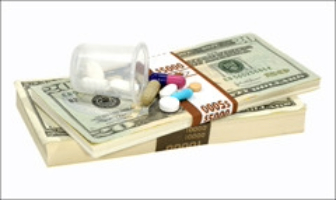
Some medications can cost as much as $2,000 a year. But according to a post on the Medical Billing and Coding blog, that’s peanuts. The price tag for a year’s worth of Soliris, a drug used to treat a rare blood disease known as paroxysmal nocturnal hemoglobinuria, is $409,500. The blog lists 10 other drugs that cost $200,000 or more a year. All 11 are so-called orphan drugs, developed specifically to treat rare conditions. The post raises questions about how much is too much when it comes to drug costs. If one of these drugs is keeping you or a family member alive, the sky’s the limit. If not, the cost can seem excessive.

A new report from the Centers for Disease Control and Prevention (CDC) shows that just 10 types of deliver almost half of the average American’s daily sodium. Topping the list are breads and rolls, cold cuts, pizza, poultry, and soups. Almost two-thirds of our daily sodium comes from food bought in stores, and one-quarter comes from food bought in restaurants (which includes fast-food shops and pizza places).The report also showed that Americans take in an average of 3,266 milligrams of sodium a day (about 1½ teaspoons of salt), well above the healthy target of 2,300 milligrams a day. As a nation, cutting back on salt by an average of 400 milligrams a day could prevent 28,000 deaths a year and save $7 billion in health care costs.
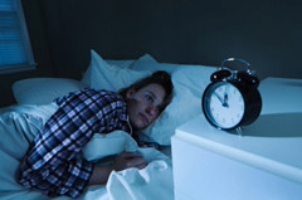
Each night, as millions of Americans slumber peacefully, millions more can’t fall asleep or stay asleep. For some, it’s just a now-and-then hitch. For others, insomnia is a chronic problem that affects mood, daytime alertness and performance, and emotional and physical health.

