Recent Articles

Harvard Health Blog

Read posts from experts at Harvard Health Publishing covering a variety of health topics and perspectives on medical news.

 
The FDA’s approval in 2010 of the blood-thinner dabigatran (Pradaxa) got many doctors excited. This drug got the green light after a head-to-head trial with warfarin (generic, Coumadin) in people with an irregular heart beat from atrial fibrillation.
If you haven’t gotten your flu shot yet this year, don’t wait much longer—influenza (flu) season is just around the corner. Yearly flu shots are recommended for everyone ages 6 months and older. If you need some added incentive, consider this: The influenza virus can cause not only the typical flu symptoms (like fever, muscle aches, and headache), but it can cause viral pneumonia in some people and nudge others to develop bacterial pneumonia. And despite many advances in understanding the causes and treatment of this serious lung infection, it’s still a major cause of death in the United States, according to an article in today’s New England Journal of Medicine.
Smells and tastes are often sources of great pleasure. They can also spark wonderful memories. But like memories, these senses can fade, or even disappear, with age. A new study suggests that loss of smell may be a canary in the coal mine—an early warning that something else is wrong in the body.
Combining a chemotherapy drug called docetaxel with hormone therapy (androgen-deprivation therapy) to treat advanced prostate cancer appears to work better than starting with hormone therapy and adding docetaxel later.
Prostate cancer tends to be more aggressive in men with low levels of vitamin D. Among African American men, low vitamin D is also linked to a higher risk of developing prostate cancer.
The New York Times has described Thomas Eric Duncan, the first person to die of Ebola virus infection in the United States, as “the Liberian man at the center of a widening health scare.” Use of the term “health scare” about Ebola in the U.S. just isn’t warranted, according to a consensus of several Harvard experts who have looked at Ebola through different lenses. They give four main reasons why an epidemic of Ebola virus disease isn’t likely to happen here.
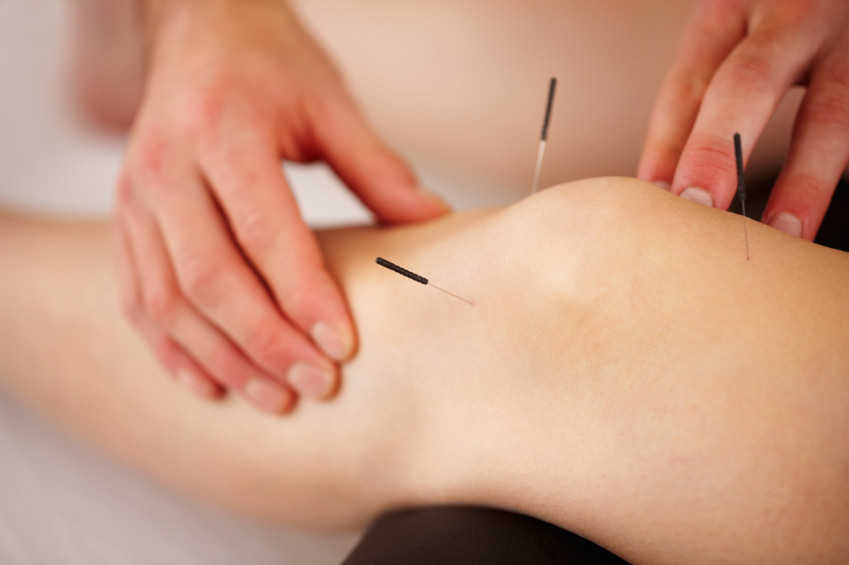
Acupuncture is a popular form of complementary and alternative therapy, but it has yet to win universal endorsement in the medical community—and usually isn’t covered by health insurance. Many satisfied customers continue to pay for treatment out of pocket in spite of mixed findings on the effectiveness of this ancient healing art.
Of all the health issues that loom large with age, memory loss is among those that provoke the most worry. A big reason is the uncertainty: people often wonder if their occasional memory slips are just a normal part of growing old or a sign of impending Alzheimer’s disease, the most common form of dementia. A new study of older adults, published in today’s issue of the journal Neurology, sheds some light—and perhaps offers a bit of reassurance—about the connection between self-reported memory loss and a diagnosis of dementia. Over a 10-year period as 70-somethings turned into 80-somethings, about 1 in 6 developed dementia. About 80% had reported memory changes. But it took about nine years from the first self-report of a memory change to a diagnosis of mild cognitive impairment, an intermediate stage between normal memory loss and dementia. The transition to dementia usually took about 12 years.
A study published in the journal European Urology suggests that men who have defects in a cancer-suppressing gene known as BRCA are at high risk for aggressive prostate tumors, and so could benefit from PSA testing.
Enterovirus D68 is a respiratory infection that has been spreading across the country and making some children quite ill. It is especially problematic for kids with asthma or other respiratory issues. Enterovirus D68 can start out looking like a garden variety cold but lead to serious trouble breathing. What’s a parent to do? The same things he or she would normally do during cold and flu season: hand washing, staying away from people who are sick, regularly cleaning common surfaces like doorknobs, not sharing cups and utensils, and coughing or sneezing into the elbow, not the hands. Those who have children with asthma need to be extra vigilant about their child’s asthma care routine. Most upper respiratory infections are the simple cold. Still, it’s important to stay alert for signs of breathing difficulties.
The expression “I laughed so hard I wet my pants” is used in a lighthearted way. But there’s nothing funny about it for the millions of women who leak urine when they laugh, cough, or sneeze. “Women are embarrassed by the condition. And some women live with it because they believe there’s nothing they can do about it,” says Dr. May Wakamatsu, Director of Female Pelvic Medicine and Reconstructive Surgery at Massachusetts General Hospital and co-editor of the Harvard special report Better Bladder and Bowel Control.
For the third time in two years, the FDA has approved a drug to help people lose weight. The new drug, Contrave, combines two generic drugs, naltrexone and bupropion.
Drugs in the benzodiazepine family have long been used to treat anxiety and sleep problems. They can cause a bit of a brain hangover the next day. Experts have long assumed that people’s heads would clear once they stopped taking the drug. That may not be the case. In a study published last night by the journal BMJ, a team of researchers from France and Canada linked benzodiazepine use to an increased risk of being diagnosed with Alzheimer’s disease. In the study, the greater a person’s cumulative dose of benzodiazepines, the higher his or her risk of Alzheimer’s. Taking a benzodiazepine for less than three months had no effect on Alzheimer’s risk. Taking the drug for three to six months raised the risk of developing Alzheimer’s by 32%, and taking it for more than six months boosted the risk by 84%. People taking a long-acting benzodiazepine were at greater risk than those on a short-acting one.
According to one persistent Internet myth, women who wear bras are more likely to develop breast cancer. Not true, says a study published online in the journal Cancer, Epidemiology, Biomarkers, and Prevention. In a study of more than 1,500 women, researchers from the Fred Hutchinson Cancer Research Center in Seattle found no links between risk of two common types of breast cancer — invasive ductal carcinoma or invasive lobular carcinoma — and any aspect of bra wearing, including cup size, use of a bra with an underwire, age at first bra use, and average number of hours per day a bra was worn. This may not be the last word on the subject, since the Fred Hutchinson study represents only the second to look at the connection between bra use and breast cancer. But until other findings appear, women worried that wearing a bra might cause cancer have one less thing to worry about.
An FDA advisory panel rejected a French company’s application to market high intensity focused ultrasound as a treatment for localized prostate cancer.
In men with cancer that has spread beyond the prostate gland, radiation therapy plus hormone therapy can ease symptoms and improve survival. But some doctors give hormone therapy by itself to millions of men with localized tumors that haven’t spread beyond the prostate. A new study shows that this approach doesn’t help, and may hurt.
A heart attack in progress is a medical emergency. Blood flow must be restored to a blocked coronary artery, or one so narrowed by fatty deposits that it triggers intense chest pain and other symptoms at rest. Every minute the heart is starved of oxygen means more damage. “It’s time for quick action, because that could help save more heart muscle,” says Dr. Deepak Bhatt, a cardiologist at Brigham and Women’s Hospital and professor of medicine at Harvard Medical School.
Screening is an important part of routine medical care. Screening means checking a seemingly healthy person for signs of hidden disease. It is routinely done for various types of cancer, heart disease, diabetes, and other chronic conditions.
We often look to science to solve life’s difficult questions. But sometimes it hands us more uncertainty. Take three reports in this week’s New England Journal of Medicine. One shows that eating less sodium (a main component of salt) could save more than a million lives a year worldwide. A second came to a nearly opposite conclusion — that current average sodium intake is okay for cardiovascular health while getting too little or too much is a problem. The third study essentially agreed with the second, but found that getting too little potassium may be as bad as getting too much sodium.
Obstructive sleep apnea is a common cause of daytime sleepiness. It occurs when the muscles in the back of the throat relax too much during sleep. This lets the tissues around the throat close in and block the airway. People with obstructive sleep apnea can wake up gasping for breath scores of times a night, usually without knowing it. Obstructive sleep apnea can boost blood pressure and increases the risk of stroke. New guidelines from the American College of Physicians recommends an overnight sleep test to diagnose, or rule out, obstructive sleep apnea for individuals with unexplained daytime sleepiness. These are usually done in a sleep center, but home tests can also be done using a portable monitor.
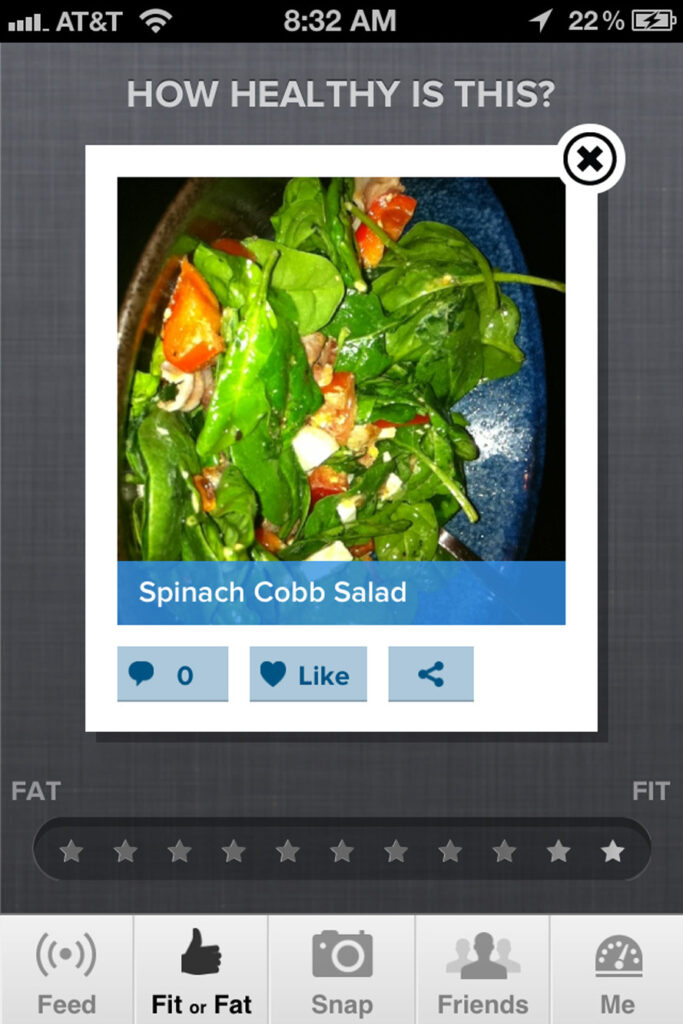
People who want to follow a healthy diet sometimes need a little help knowing where a meal or snack falls on the healthfulness scale. Several apps let you snap a photo of what you’re about to eat and post it for all to see — and rate. And though many of the “raters” are regular folks without training in nutrition, a new study shows they do a pretty good job gauging whether foods are likely to make you fitter or fatter.

Free Healthbeat Signup

Get the latest in health news delivered to your inbox!

Stay on top of latest health news from Harvard Medical School.

Plus, get a FREE copy of the Best Diets for Cognitive Fitness.

This site is protected by reCAPTCHA and the Google Privacy Policy and Terms of Service apply.