

Harvard Health Blog
Read posts from experts at Harvard Health Publishing covering a variety of health topics and perspectives on medical news.
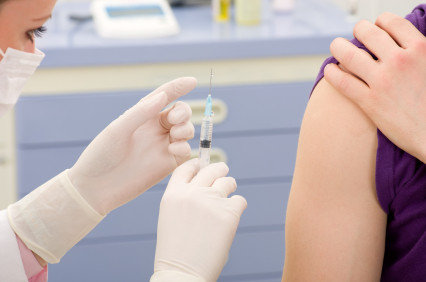
If you knew that a vaccine could prevent your daughter or son from developing a relatively common and potentially deadly cancer later in life, would you have her or him get it? Such a vaccine is available, and it’s about to get even better than it is now — but fewer than half of all teens have gotten it. The vaccine helps prevent infection with the human papilloma virus (HPV). It is responsible for cervical cancer, which strikes 12,000 women each year in the United States and kills 4,000. HPV also causes cancer of the vulva, vagina, penis, anus, mouth, and throat. The vaccine, approved in 2006, attacks four types of HPV. The new one attacks nine types, and can help prevent most types of cervical cancer. Some parents worry that having their pre-teen daughters and sons vaccinated against HPV will nudge them into becoming sexually active or becoming sexually promiscuous. Studies, including a new one from Harvard, show that doesn’t happen.
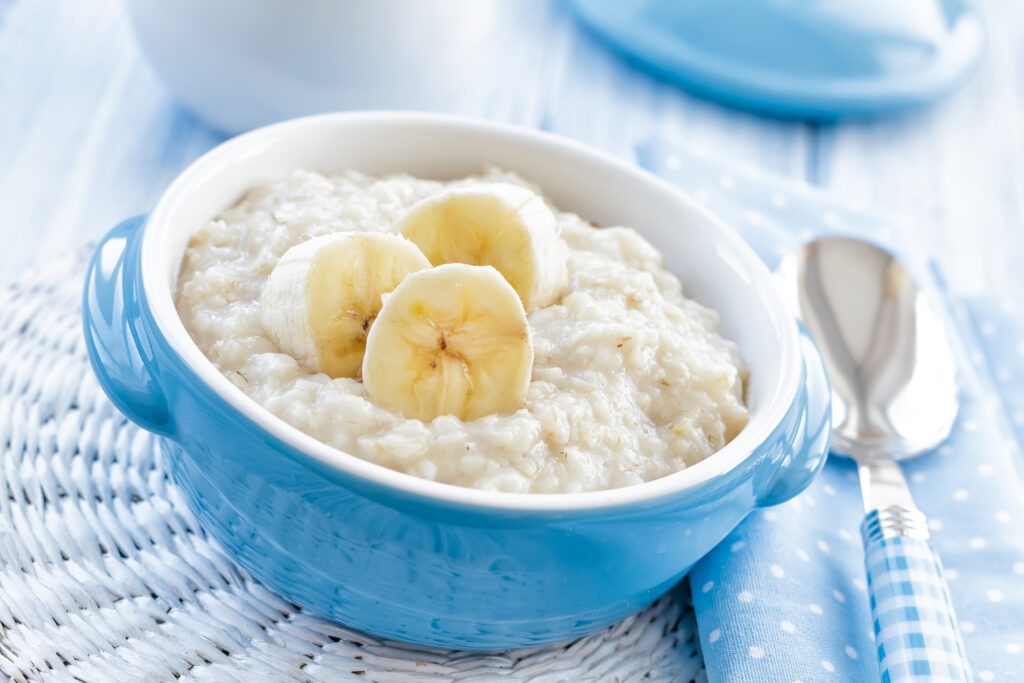
Getting to a healthy weight and staying there is an important way to prevent heart disease, diabetes, some cancers, and other serious conditions. Many of us know firsthand just how hard it can be to reach and maintain that healthy weight. And there’s no shortage of ways to try to get there: You can count calories, carbs, or points. You can cut back on fat or sugar. You can try any number of popular diets that forbid certain foods, or focus on just one (the grapefruit diet, anyone?). Any of these approaches might work for you. Or they might not — in large part because they are complicated.

Warnings against eating foods high in cholesterol, like eggs or shrimp, have been a mainstay of dietary recommendations for decades. That could change if the scientific advisory panel for the 2015 iteration of the Dietary Guidelines for Americans has its say. A summary of the committee’s December 2014 meeting says “Cholesterol is not considered a nutrient of concern for overconsumption.” Translation: You don’t need to worry about cholesterol in your food. Why not? There’s a growing consensus among nutrition scientists that cholesterol in food has little effect on the amount of cholesterol in the bloodstream. And that’s the cholesterol that matters. Doing away with the beware-cholesterol-in-food warning would simplify the art of choosing healthy foods. And it would let people enjoy foods that contain higher amounts of cholesterol, such as eggs, shrimp, and lobster, without worrying about it. A better focus is on reducing saturated fat and trans fat in the diet, which play greater roles in damaging blood vessels than dietary cholesterol.
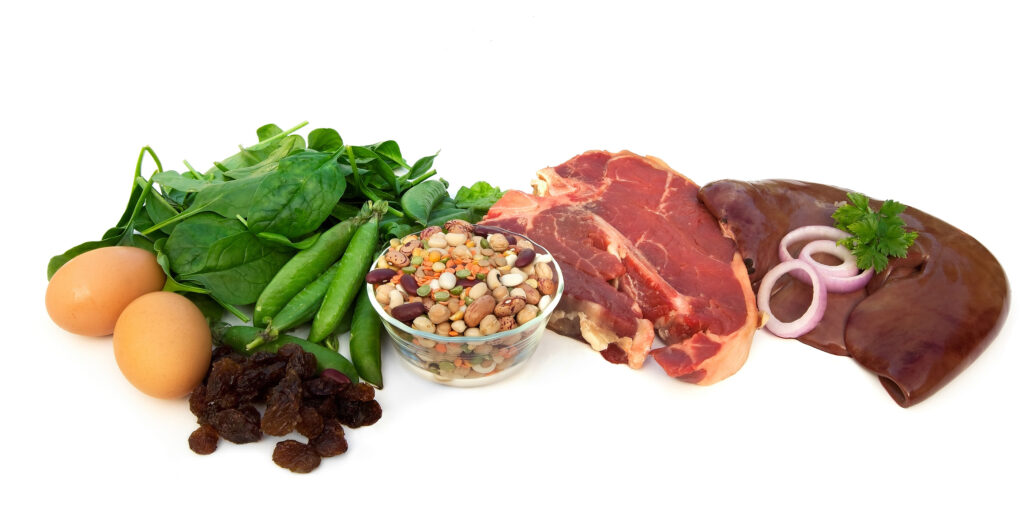
An article in this week’s Journal of the American Medical Association (JAMA) focuses on what happens to iron stores in the body after donating blood. As many as one-third of regular blood donors have too little iron in their bloodstreams. According to the article, it can take up to six months to replenish the body’s iron after donating a unit of blood—significantly longer than the recommended 8-week waiting period between deposits at the blood bank.
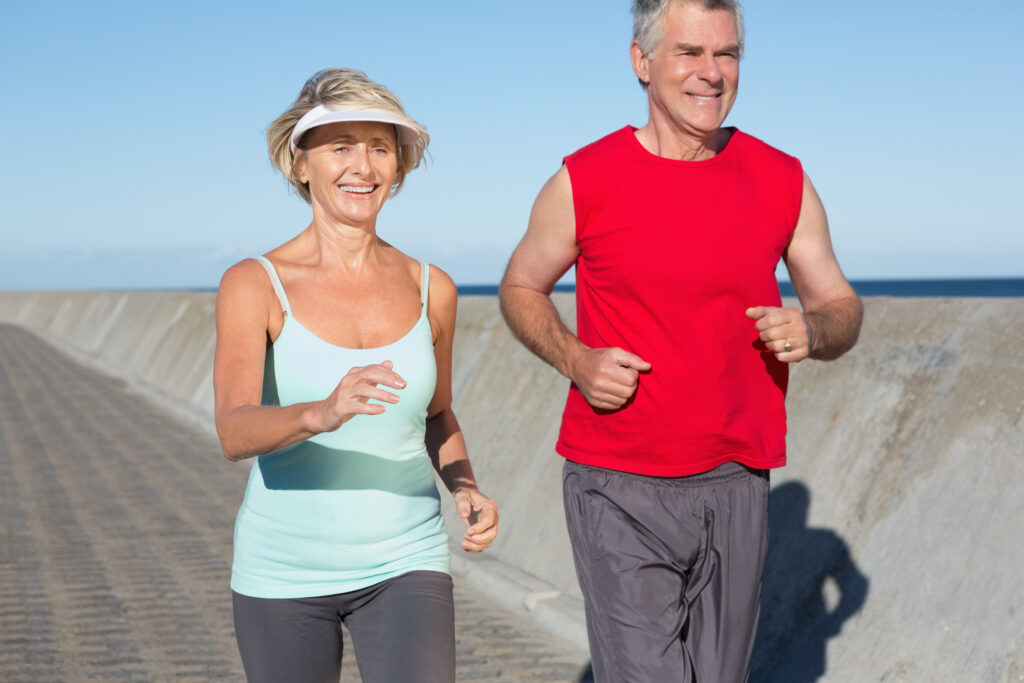
Jogging is one of those activities that seems to embody the concept of healthy physical activity. A new study from Denmark may prompt a rethinking of the benefits of strenuous jogging. Researchers with the ongoing Copenhagen City Heart Study found that, compared to healthy but inactive non-joggers, the death rate of light joggers was 90% lower. No surprise there. But the death rate for strenuous joggers was no different than that of sedentary non-joggers. In this study, the most beneficial exercise was jogging at a slow or moderate pace two to three times a week for a total of 60 to 145 minutes. This one study certainly shouldn’t change the current recommendations for physical activity. But it helps debunk the “no pain, no gain” myth of exercise and supports the idea that any activity is better than none—but there may be an upper limit.
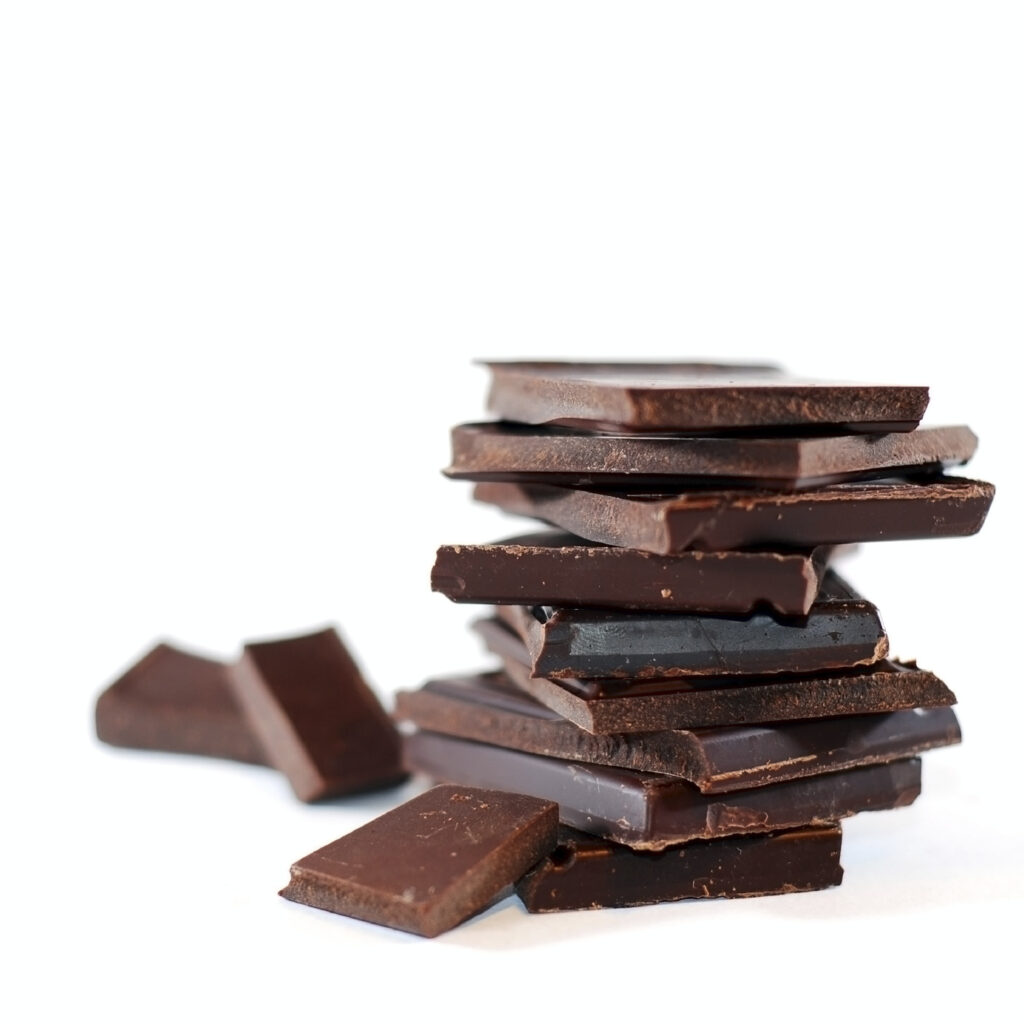
There are many reasons why you might want to give someone chocolate on Valentine’s Day. There’s the tradition of it, and the idea of sweets for your sweetheart. Here’s another tempting reason: certain compounds in chocolate, called cocoa flavanols, have recently been linked with improved thinking skills. Italian researchers found people who drank a daily cocoa brew with a lot of flavanols (more than 500 milligrams) significantly improved their scores on tests that measured attention, executive function, and memory. How might cocoa flavanols boost thinking skills? They may help brain cells connect with each other. Dark chocolate is a good source of flavonols. It’s also a good source of calories. Adding it to your diet without taking out other foods can lead to weight gain, which may wipe out any health gain.
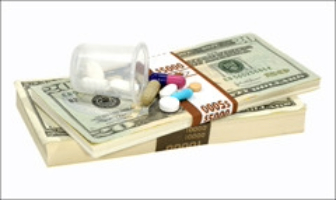
Medications can do wonderful things, from fighting infection to preventing stroke and warding off depression. But medications don’t work if they aren’t taken. Some people don’t take their medications as prescribed because they forget, or are bothered by side effects. A new report from the National Center for Health Statistics shines the light on another reason: nearly 1 in 10 people skip medications because they can’t pay for them. Other strategies for saving money on drug costs included asking doctors for lower-cost medications, buying prescription drugs from other countries, and using alternative therapies. Not taking medications as prescribed can cause serious problems. It can lead to unnecessary complications related to a medical condition. It can lead to a bad outcome, like a heart attack or stroke. It can also increase medical costs if hospitalization or other medical interventions are needed. Safe money-saving options include using generic drugs when possible, pill splitting, shopping around, and making lifestyle changes such as exercising more and following a healthier diet, which can sometimes decrease the number and dose of drugs needed.

Men are at greater risk for developing prostate cancer if their fathers or brothers also developed the disease. A new study shows that having second- or third-degree relatives with the disease also increases a man’s risk.

If you are a sociable soul, here’s some interesting news about exercising with others: A study published online in the British Journal of Sports Medicine shows that being part of an outdoor walking group can improve health in many ways, including improvements in blood pressure, resting heart rate, total cholesterol, body weight, body fat, physical functioning, and risk of depression. In addition, people who were part of a walking group tended to keep exercising and not slack off. The findings are interesting because walking group participants reaped health benefits even though many of the groups did not meet international guidelines for moderate activity. This supports the idea that any activity is better than none.
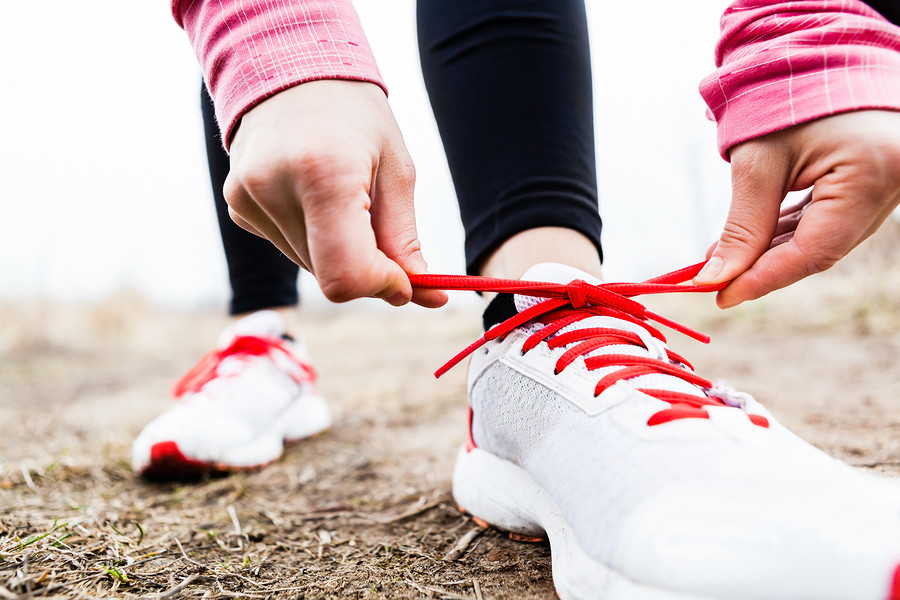
The standard recommendation for exercise is at least 150 minutes of moderate-intensity activity each week. But that may not be the best recommendation for everyone, especially those who are older and have trouble exercising, or those who don’t exercise at all. If we think of exercise as a spectrum, with no activity on one end and 150 minutes or more a week on the other end, there’s a continuum in between. Getting individuals to move along that continuum, from no exercise to a little, a little to more, and so on, is an important goal. New research on the hazards of sitting for prolonged periods should get all of us to sit less and stand or move more.

More than half of the average person’s waking hours are spent sitting: watching television, working at a computer, commuting, or doing other physically inactive pursuits. But all that sitting could be sending some to an early grave. That’s the conclusion of a Canadian study published in this week’s Annals of Internal Medicine. People in the study who sat for prolonged periods of time had a higher risk of dying from all causes — even those who exercised regularly. The negative effects were even more pronounced in people who did little or no exercise. In addition to premature death, the study documented higher rates of type 2 diabetes, cancer, and cancer-related deaths in very sedentary people. If you sit for work, try standing or moving around for one to three minutes every half hour. Better yet, think about working at a standing desk. At home, stand when watching TV or talking on the phone.
Whenever I read or write about the overuse of so-called opioid painkillers it is with mixed feelings. As a lifelong back-pain patient who once depended on them for pain relief, I appreciate the challenge posed by opioids to people in pain and their doctors. People in agonizing pain want it to stop, but opioids are often a poor long-term solution. Doctors want to help their patients, so they may prescribe opioids for extended periods despite well-founded reservations.
Ninety years ago, type 1 diabetes was a death sentence: half of people who developed it died within two years; more than 90% were dead within five years. Thanks to the introduction of insulin therapy in 1922, and numerous advances since then, many people with type 1 diabetes now live into their 50s and beyond. But survival in this group still falls short of that among people without diabetes. A Scottish study published this week in JAMA shows that at the age of 20, individuals with type 1 diabetes on average lived 12 fewer years than 20-year-olds without it. A second study in the same issue of JAMA showed that people with type 1 diabetes with better blood sugar control lived longer than those with poorer blood sugar control.
Although a long-term study has shown that men who had a vasectomy have a slightly increased risk of developed high-grade prostate cancer, not all experts believe that the link is real.

Feeling young may be one way to keep getting older. In a new study, a pair of researchers from University College London found that older people who felt three or more years younger than their actual age were more likely to be alive eight years later than those who felt more than one year older than their actual age. Does a youthful feeling keep people alive? Possibly: feeling younger may lead to better health habits, like exercising and eating healthfully. Feeling younger may also inspire a sense of resilience that keeps people young.
As the holiday season gets underway, you might wonder why you feel compelled return to the office cookie tin or to sample the party’s dessert platter more often than you probably should. The glycemic index—a measure of how fast carbohydrates are turned into sugar—offers an answer (see “How the glycemic index works”). The cakes, cookies, and candies tempting you have a high glycemic index. As I write in the December Harvard Women’s Health Watch, foods with a high glycemic index are likely to provide a rush of energy, but leave you hungry and craving food within a few hours, setting the vicious cycle of holiday overeating in motion. Your indulgences may be due less to a failure of will than to the strong forces of human biology.
A growing number of aging men are trying to hold on to their youthful vigor by taking testosterone. Unsettling study results suggest that men with low but “normal” testosterone levels who take a testosterone supplement may be increasing their risk of having a heart attack, stroke, or developing heart disease.

If your fingers turn ghostly white and numb when they get cold, you may have Raynaud’s syndrome (or disease or phenomenon). This common condition Raynaud’s is an exaggeration of the body’s normal response to cold. It usually affects fingers and toes, but may also affect the nose, lips, ears, and nipples. Named after the French physician who first described it in 1862, Raynaud’s is a problem in the body’s arteries. They spasm and collapse in response to cold or stress. Without a steady supply of warm blood circulating through them, the affected body part becomes pale. When the spasm ends and the arteries reopen, allowing blood to flow again, the finger, toe, or other body part turns pink or red. It may throb or tingle. Prevention—staying warm—is the best medicine. It’s possible to cut an attack short by running your hands under warm water, putting them in your arm pits, or waving your arms in circles to get the blood flowing. Other options include thermal feedback and relaxation techniques. More experimental options include Botox injections and sildenafil (Viagra).
Over the past decade, a barrage of reports linking low vitamin D levels to cancer, heart disease, diabetes, and a host of other ills led many doctors to routinely test vitamin D levels in their healthy patients. But there is no good reason to do that, according to a new recommendation from the U.S. Preventive Services Task Force (USPSTF) published in this week’s Annals of Internal Medicine.

Nearly one-third of American adults are “excessive” drinkers, but only 10% of them have alcohol use disorder (alcoholism). Those numbers, published yesterday in a national survey, challenge the popular idea that most people who drink too much are alcoholics. The new study, done by researchers with the CDC and the Substance Abuse and Mental Health Service Administration, found that about 70% of all American adults drink alcohol at least now and then, about 30% report excessive drinking, and 3.5% have alcohol use disorder. It is higher among heavy drinkers (10%) and binge drinkers, ranging from 4% among those who report binge drinking once or twice a month to 30% among those who binge drink 10 times or more in a month. The knowledge that only 10% of heavy drinkers are alcoholic may be reassuring, but that doesn’t mean the other 90% aren’t have problems with drinking. Some are what Drs. Robert Doyle and Joseph Nowinski call “almost alcoholics.”
Smartphones and tablets combine an extraordinary amount of portable computing power with connectivity to the world via cell phone signal and WiFi. Many health entrepreneurs are trying to harness that power to help people to get healthier. But do they work? A study published this week in the Annals of Internal Medicine on one popular weight-loss app finds that the answer is “not so much.” University of California, Los Angeles researchers tested one free app called MyFitnessPal. Overweight women who used it lost about five pounds over six months—but so did women who didn’t use the app. In spite of the app’s poor showing in the UCLA trial, MyFitnessPal and other health apps can be useful tools for people who want to manage their weight and lifestyle. But it takes two things from the user—motivation to make a change and using the app enough to produce the desired effect.
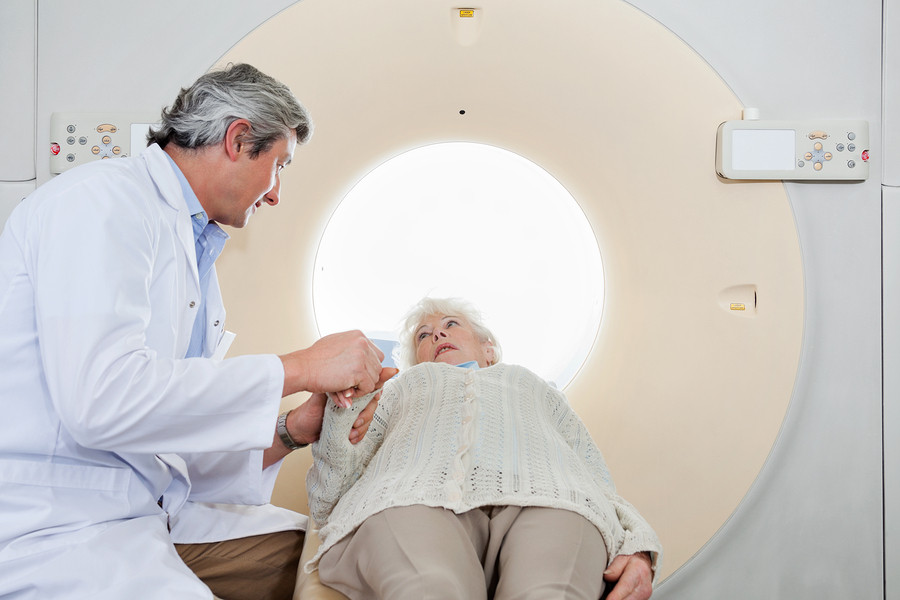
Last spring, an advisory panel for the Center for Medicare and Medicaid Services (CMS) recommended that Medicare not cover low-dose CT scans for smokers or former smokers. These scans can double the proportion of lung cancers found at an early stage, while they are still treatable. Yesterday, CMS announced that it would cover the cost of these scans for people between the ages of 55 and 74 who smoke, or who quit within the last 15 years, and who have a smoking history of 30 pack-years. (That means a pack a day for 30 years, two packs a day for 15 years, etc.) The new Medicare plan would cover scans for an estimated 4 million older Americans, at a cost estimated to be more than $9 billion over five years. In a wise addition, Medicare will require smokers to get counseling on quitting or the importance of staying smoke-free before having the annual scan.
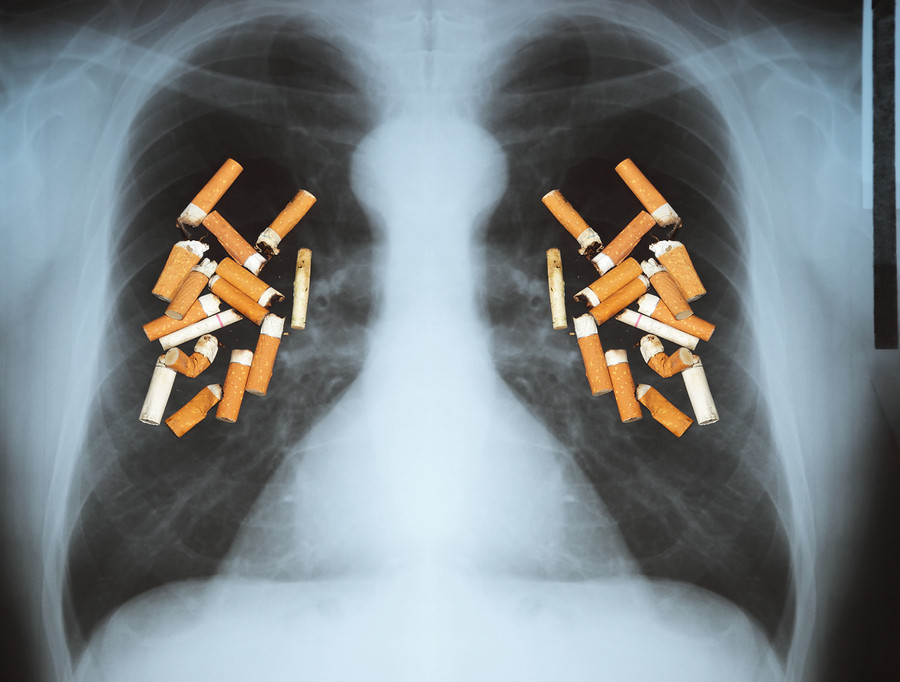
Lung cancer is a fact of life for some smokers. About 1 in 7, or 14%, develop this potentially difficult-to-treat and deadly cancer. Quitting lessens the risk. Having tests to detect hidden lung cancer can help find it early, while it is still treatable.

