

Harvard Health Blog
Read posts from experts at Harvard Health Publishing covering a variety of health topics and perspectives on medical news.
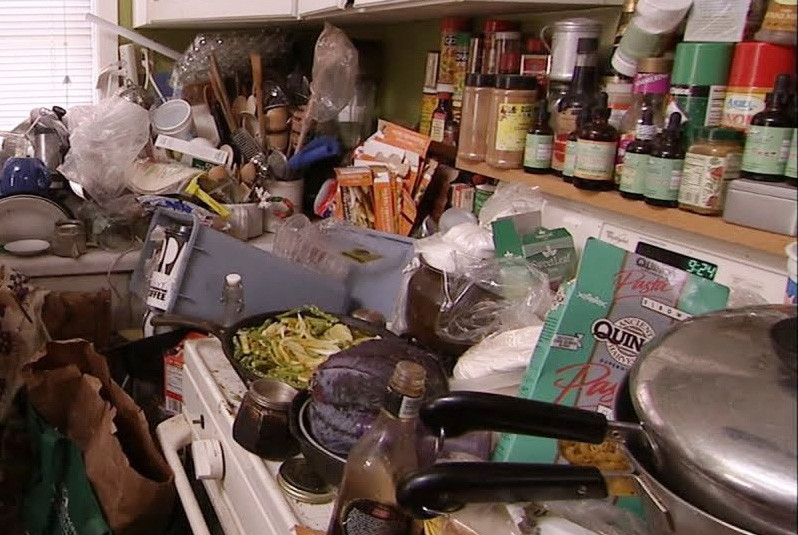
Many of us have trouble parting with our possessions—even when we no longer need them. Some people hold onto decades’ worth of receipts, newspapers, and other seemingly useless items. They have hoarding disorder—a mental health condition characterized by a compulsive need to acquire and keep possessions, even when they’re not needed. Exactly when a “pack rat” crosses the line into true hoarding has to do with the intensity with which they’re saving, and the difficulty getting rid of things. Severe hoarders can accumulate so much that they render their living spaces unusable—and dangerous. Hoarding also takes an emotional toll on families and friends. Experts recommend treating hoarders with hoarding cognitive behavioral therapy (CBT) to help the person better understand why he or she is hoarding, and to improve decision-making, organizational, and problem-solving skills.
Today is National Hepatitis Testing Day. If it were up to me, I would call it National Hepatitis Testing and Vaccination Day.

Resveratrol, an antioxidant found in red wine and certain foods, has been touted as a natural way to slow aging and fight cancer, obesity, heart disease, and diabetes. As promising as it sounds, we don’t really know how resveratrol affects humans, since most studies have been conducted on animals and microbes. So a study out this week that looks at resveratrol’s effect on people from two villages in the Chianti region of Italy—where they know a thing or two about red wine—got my attention.
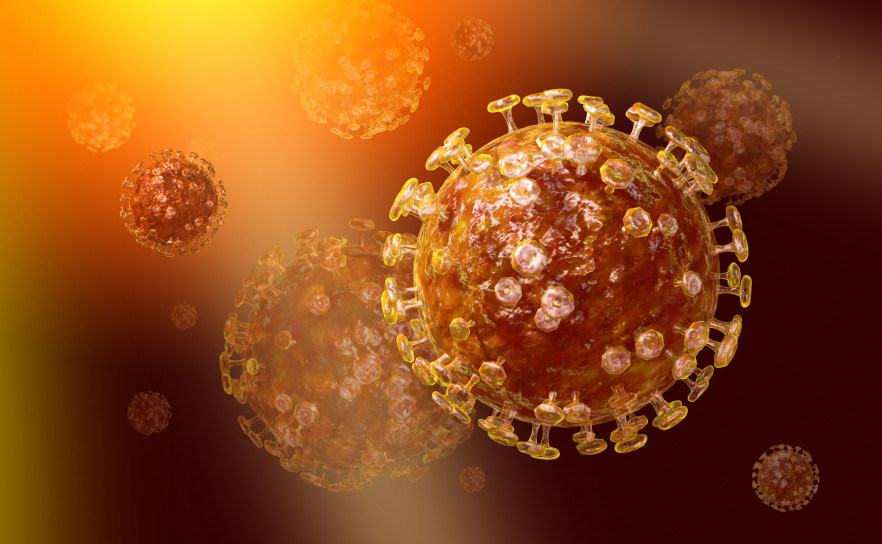
In 2012, after the CDC declared SARS presented a threat to the public’s health and safety, public health and infectious disease experts took note of a new viral respiratory disease that was also caused by a coronavirus, Middle East Respiratory Syndrome (MERS). So far, roughly one-third of the people with confirmed cases of MERS have died. Until recently, most cases of MERS occurred in countries in the Arabian Peninsula. But this month, two cases of MERS have been confirmed in the United States. At the most recent meeting of WHO’s Emergency Committee members expressed growing concern about MERS, but since there is currently “no evidence of sustained human-to-human transmission” the situation doesn’t yet meet the criteria for a Public Health Emergency of International Concern.
For women with osteoporosis who are embarking on a “holiday” from taking a bone-building drug, the message from a study released today is “Bon voyage—see you in two years or so.” After menopause, loss of bone (osteoporosis) can lead to crippling fractures of the hip and spine. Drugs called bisphosphonates—alendronate (Fosamax) was the first on the market in the mid-1990s—slow bone loss. But after taking these drugs for a number of years, the balance can begin to tip from help to harm. A new report from the Fracture Intervention Trial Long-term Extension (FLEX) shows that measuring bone density after one year added no information that would have helped doctors identify who was at risk and perhaps should start taking a bisphosphonate again. Waiting two years is a good option for most women.

Thanks in part to advertising, many men with prostate cancer believe that they’ll get better results with robot-assisted prostate surgery than with more traditional open surgery. The latest study doesn’t bear that out.

Fish and shellfish are great sources of lean protein, and many types are rich in heart-healthy omega-3 fatty acids. But there’s a catch: some species of fish contain worrisome amounts of methylmercury, a toxin that’s especially dangerous to developing brains. That’s why women who are or could become pregnant and young children shouldn’t eat high-mercury fish such as swordfish, shark, king mackerel, and tilefish. A new study hints that eating too much—or the wrong kind—of salmon and tuna can also boost mercury levels.
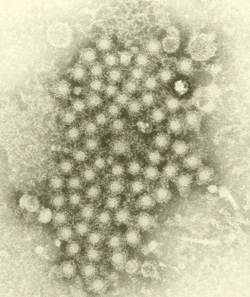
If you are a baby boomer, the U.S. Centers for Disease Control and Prevention (CDC) recommends that you be tested for infection with the hepatitis C virus. The virus can live in the liver for decades, often causing silent damage that leads to liver failure or liver cancer.
Two reports released this week shed light on the current state of type 2 diabetes in this country, and their conclusions are both promising and sobering. First, the good news: An article in The New England Journal of Medicine shows that rates of diabetes-related problems like heart attack, stroke, and lower-limb amputation are down by more than 50% over the last two decades.

One year ago today, the detonation of two improvised bombs near the finish line of the Boston Marathon killed three people, injured more than 260 others, and shattered a day traditionally filled with joy and camaraderie. Although the bombing immediately extinguished the celebration, it sparked an outpouring of extraordinary work and compassion that continues to this day. Residents of Boston, the Commonwealth of Massachusetts, and beyond rallied to help those injured by the bombs. It is a testament to the extraordinary care and preparation by first responders and staff members at all Boston-area hospitals that only three people died. Many of the wounded were taken to teaching hospitals affiliated with Harvard Medical School. The medical school and its institutions take time today to mourn this senseless tragedy, pray for those who lost a loved one or who themselves still bear physical and emotional scars from the bombing, and acknowledge the work of first responders, emergency department staff, and others who have been part of the healing effort.
There are plenty of good reasons to be physically active. Big ones include reducing the odds of developing heart disease, stroke, and diabetes. Maybe you want to lose weight, lower your blood pressure, prevent depression, or just look better. Here’s another one, which especially applies to those of us (including me) experiencing the brain fog that comes with age: exercise changes the brain in ways that protect memory and thinking skills.
Two reports published this week in the journal BMJ weren’t exactly an April Fool’s Day message about vitamin D, but they came close.
I’ve spent the past three days at the 65th annual meeting of the American College of Cardiology in Washington, DC. Cardiologists from around the world are gathered here to present new research on heart disease. During the opening lecture, Dr. Gary Gibbons, director of the National Heart, Lung, and Blood Institute, described a phenomenon I’ve heard a lot about recently from physicians I’ve interviewed in my role as executive editor of the Harvard Heart Letter: the challenge of success.
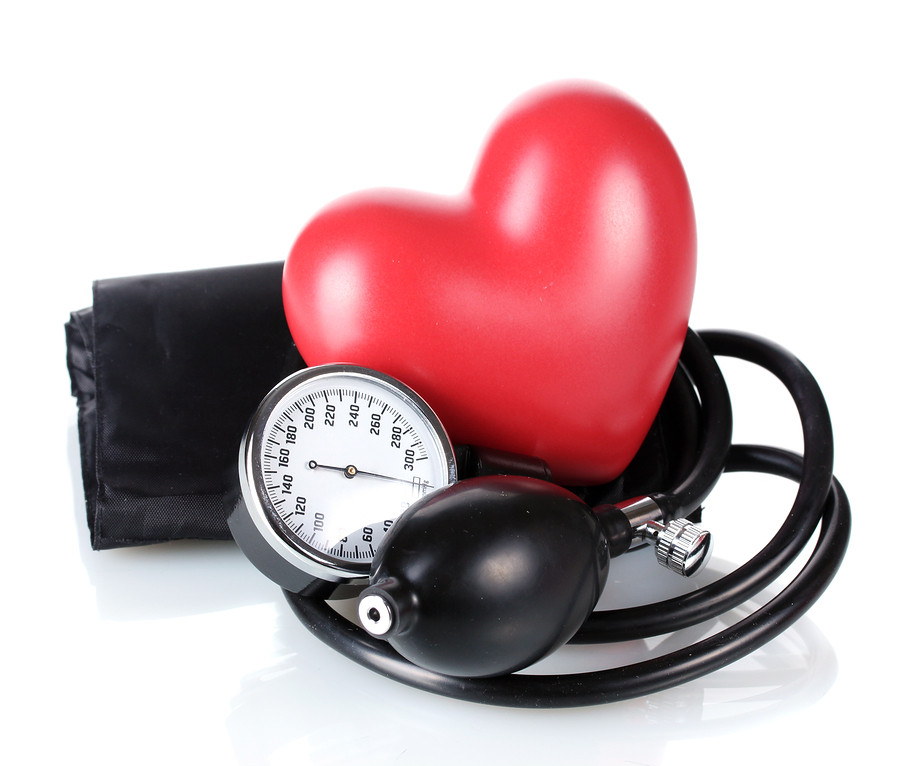
For anyone who has had a stroke, working to prevent a second one should be Job No. 1. Keeping blood pressure under control is an important part of that job.
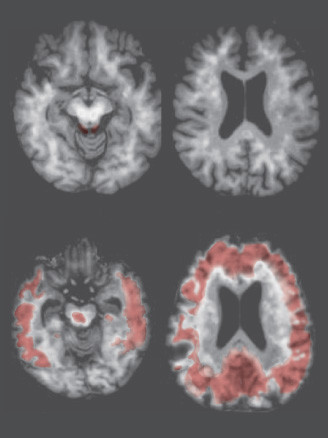
A new report from the Alzheimer’s Association says that as many as 5 million Americans have Alzheimer’s disease or some other form of dementia. Every 67 seconds someone in the United States develops Alzheimer’s disease or dementia. That’s 470,000 Americans this year alone. Given that these thieves of memory and personality are so common and so feared, should all older Americans be tested for them? In proposed guidelines released yesterday, the U.S. Preventive Services Task Force said “no.” Why not? Even after conducting a thorough review of the evidence, the panel said that there isn’t enough solid evidence to recommend screening, especially since not enough is known about the benefits and the harms. In part, the recommendation is based on the sad fact that so far there aren’t any truly effective approaches to stop the forward progress of dementia.
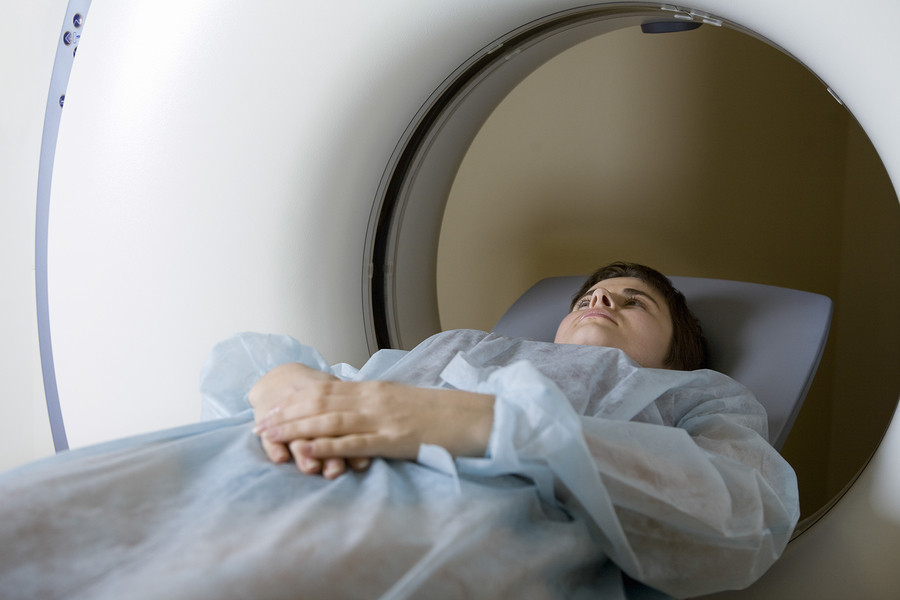
Severe headaches are a misery, whether they cause a dull ache or a steady, stabbing, or blinding pain. Such pain rarely comes from something catastrophic, like a tumor or a bleeding in the brain. Yet an estimated 12% of people with headaches get brain scans. A new study shows that these unnecessary scans add several billion dollars a year to health care costs for very little benefit. Excessive brain scanning costs more than just dollars. Repeated CT scans deliver enough radiation to increase the odds of developing cancer. Scans also tend to lead to more scanning if the test turns up something strange. Many people who see a doctor because of severe and recurrent migraine headaches don’t need brain scans. They need the right therapy to stop their pain.
How bad can a little high blood pressure be? It turns out that it might be worse than we thought.
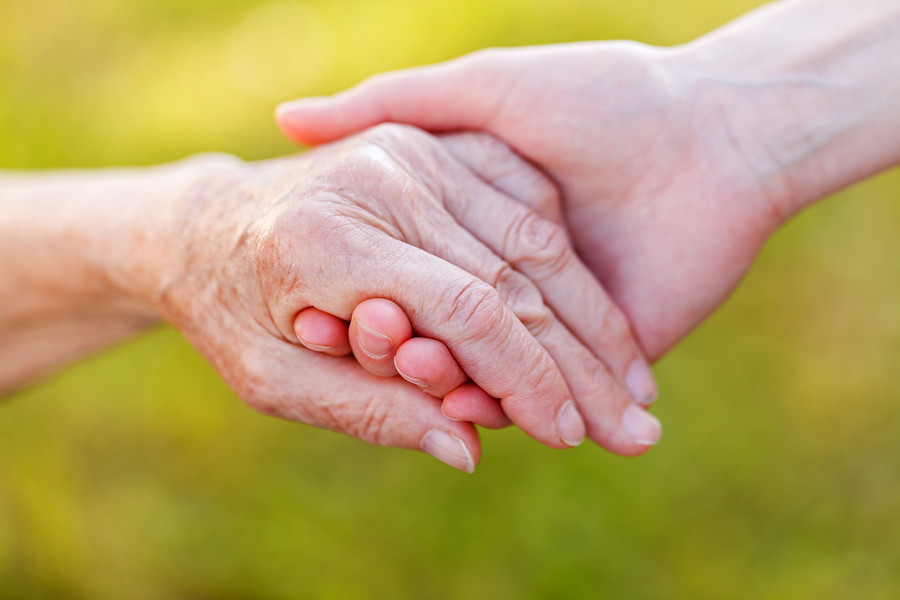
An estimated 43.5 million Americans provide in-home, long-term care for older adult family members with a chronic illness. In a new JAMA survey, caregivers are typically women who spend about 20 to 40 hours a week providing care. Most caregivers feel abandoned and unrecognized by the health care system. Spousal caregivers face greater challenges than caregivers helping a parent for a variety of reasons, one of which is that they tend to be older. Many caregivers don’t know about, or take advantage of, services and support systems such as respite care, help with non-medical services such as housekeeping and cooking, counseling, and more. The Caregiver’s Handbook, a Special Health Report from Harvard Medical School, includes detailed information that can help women and men provide better care for their loved ones and take care of themselves.
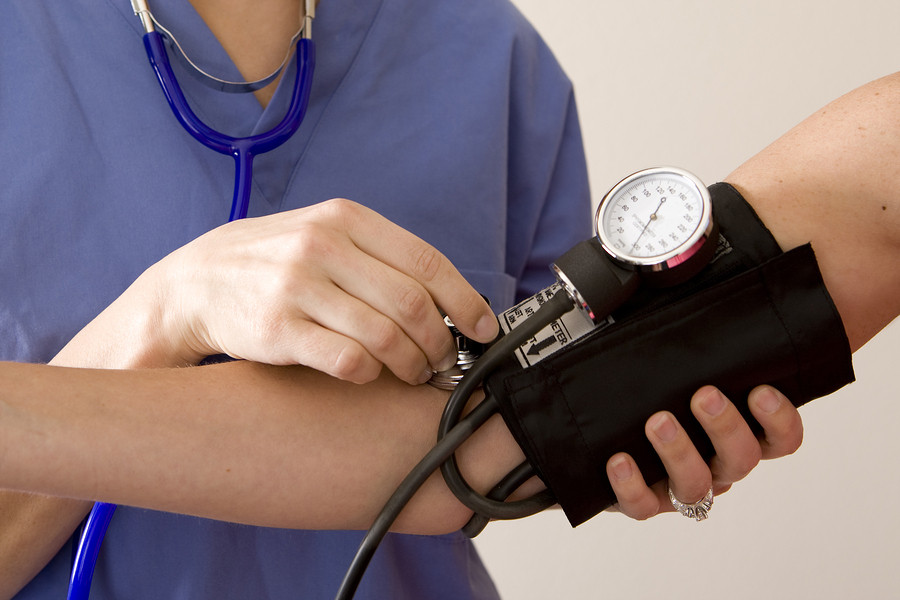
The next time you have your blood pressure checked, ask your health care to check it in both arms, rather than just in one. Why? A big difference between the two readings can give you an early warning about increased risk of cardiovascular disease, a new study suggests. Harvard researchers found that people who have a 10-point difference in blood pressure from one arm to the other are 38% more likely to have a heart attack, stroke, or a related problem than those with arm-to arm differences less than 10 points. Small differences in blood pressure readings between the right and left arm are normal. But large ones suggest the presence of artery-clogging plaque in the vessel that supplies blood to the arm with higher blood pressure. Clogging there means there’s a good chance the arteries in the heart and brain are also clogged, boosting the odds of having a heart attack or stroke.
When the SELECT trial started in 2001, there were high hopes it would prove that taking vitamin E or selenium could help prevent prostate cancer. The newest results from the trial show just the opposite—that taking selenium or vitamin E can actually increase the odds of developing prostate cancer.
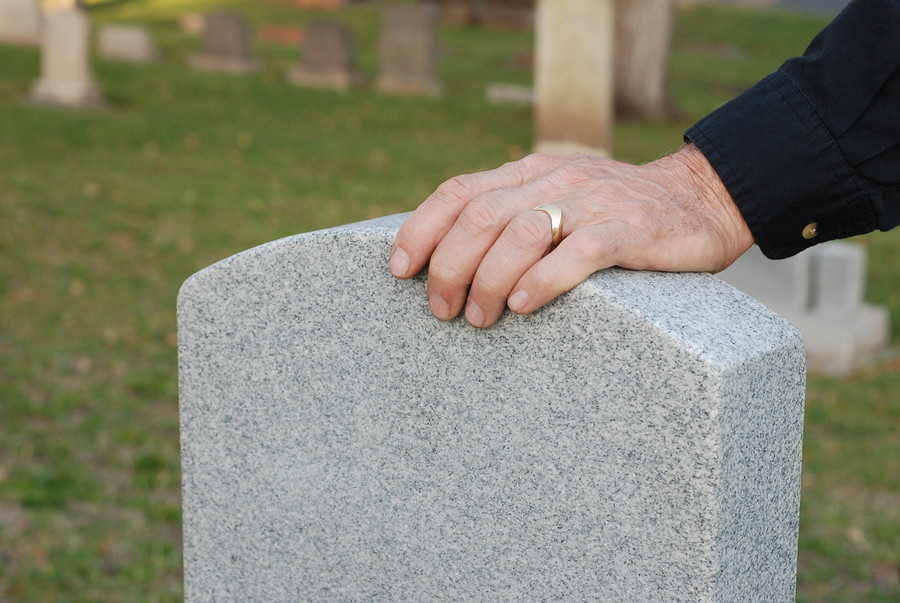
The grief of losing a spouse or partner affects not just emotional and mental health, but physical health as well. The surviving spouse or partner often develops health problems in the weeks and months that follow. A study published this week in JAMA Internal Medicine found that individuals who had lost a spouse or partner were more likely to have a heart attack or stroke within the next 30 days. Grief activates the sympathetic nervous system, which is responsible for revving up the body’s fight-or-flight response. That can lead to stress-induced changes in blood pressure, heart rate, and blood clotting. There is also a tendency after such a profound loss for the surviving spouse or partner to disregard his or her own health. It can take several months to a year to work through grief and grieving. If it lasts much longer, and is interfering with daily life—seeing friends, doing once-pleasurable activities—it’s possible that grief has morphed into something more serious, like depression.
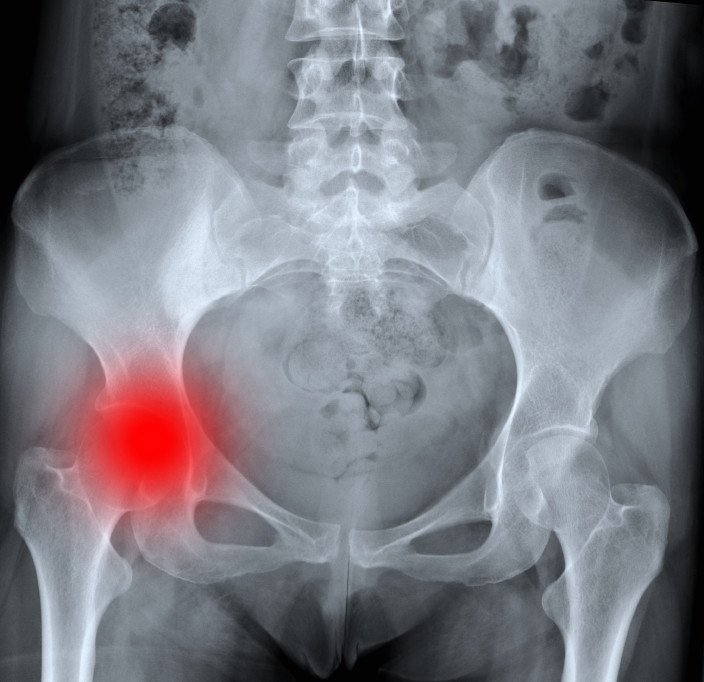
Even after intensive rehabilitation therapy, many people who break a hip still can’t do things they used to do with ease, like dressing, rising from a chair, or climbing stairs, after . A report in this week’s Journal of the American Medical Association shows that simple exercises done at home can make a big difference in recovering from a broken hip. A set of “functional exercises” that mimic the kinds of things people normally do in their daily lives improved function and mobility among people who had broken a hip. It’s important :just do it.” At-home rehab is of no use if you don’t stick with it. These kinds of exercises can also help ward off post-fracture complications like blood clots, pneumonia, wound infections, and more. Extended bed rest after a major injury or surgery can feed a downward spiral of physical deconditioning and additional health problems.
The first-ever guidelines for preventing stroke in women don’t fool around. They offer ways to prevent this disabling and potentially deadly event from adolescence to old age. More than half of the 800,000 Americans who have strokes each year are women. Nearly 4 million American women are living with the aftermath of a stroke. And because women live longer than men, their lifetime risk of having a stroke is higher. Those numbers are why stroke prevention is especially important for women. The guidelines cover the use of oral contraceptives, high blood pressure during pregnancy, the use of hormones after menopause, and migraine with aura. They also cover the fundamentals of stroke prevention, like controlling blood pressure, exercising more, eating a healthy diet, and not smoking.

