Recent Articles

Harvard Health Blog

Read posts from experts at Harvard Health Publishing covering a variety of health topics and perspectives on medical news.

 
Most children and teens who have COVID-19 recover completely, but rarely there can be damage to a child’s heart muscle, and the stress of exercise on a damaged heart could lead to a serious condition. Here’s what parents need to know about recent guidance from the American Academy of Pediatrics for children returning to physical activity after COVID-19.
The daily onslaught of news during the past year has left many people in a steady state of fatigue, resignation, and grief. The symptoms of collective trauma are widespread and familiar, but one merits special attention: numbness, which is one possible response to an overwhelming situation.
In the last decade, overall rates of colorectal cancer have been falling among the general population in the US. However, African Americans are more likely to develop colorectal cancer at younger ages, and to die from it. The reasons for this disparity are unclear, but they are rooted in socioeconomic and racial inequities.
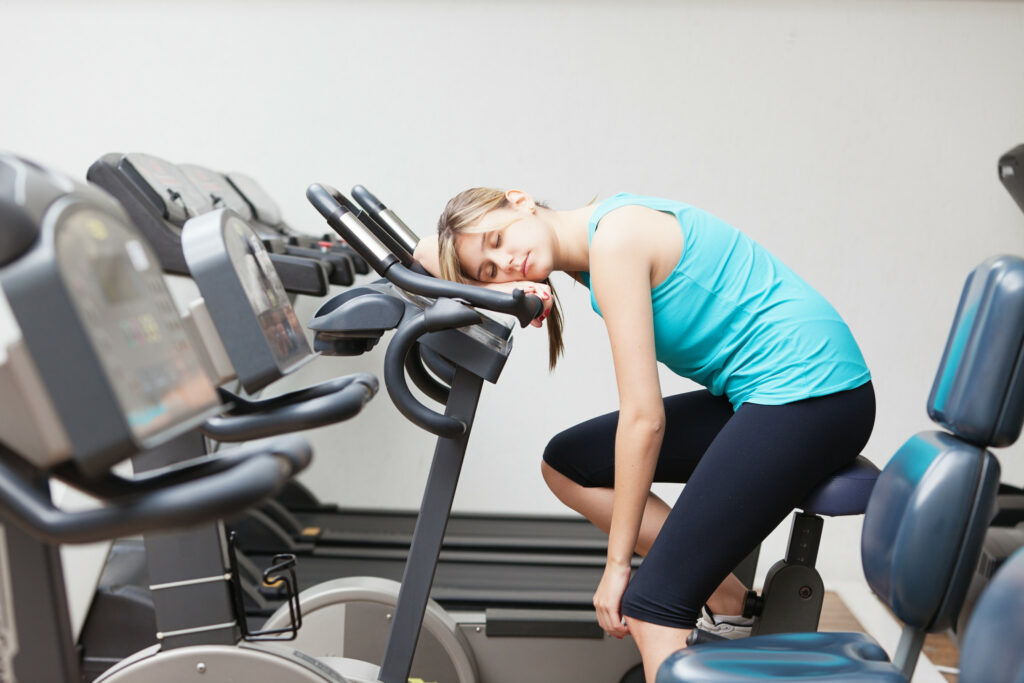
For a long time, the implicit message about fitness has been that it only counts if you are doing it with certain clothing, shoes, equipment, and facilities. This can make people feel that exercise is not for them. Expanding the idea of what counts as exercise — and making it fun — can help motivate people.
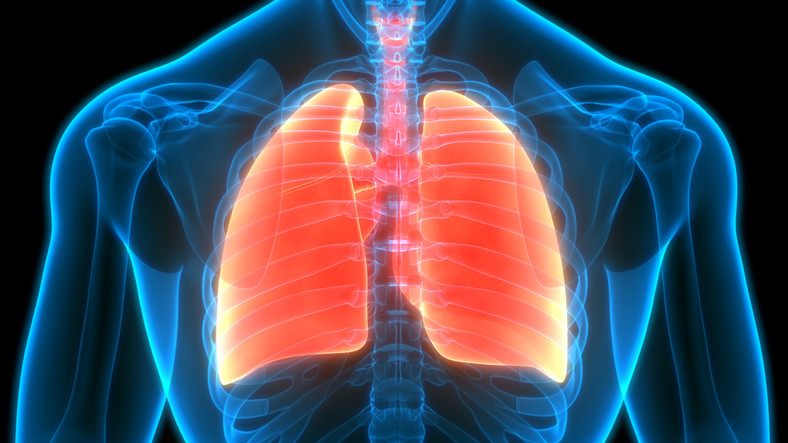
The US Preventive Services Task Force has updated its lung cancer screening guidelines, to open up the screening to a wider range of people based on their age and smoking history, with the goal of detecting more cancers and reducing deaths.
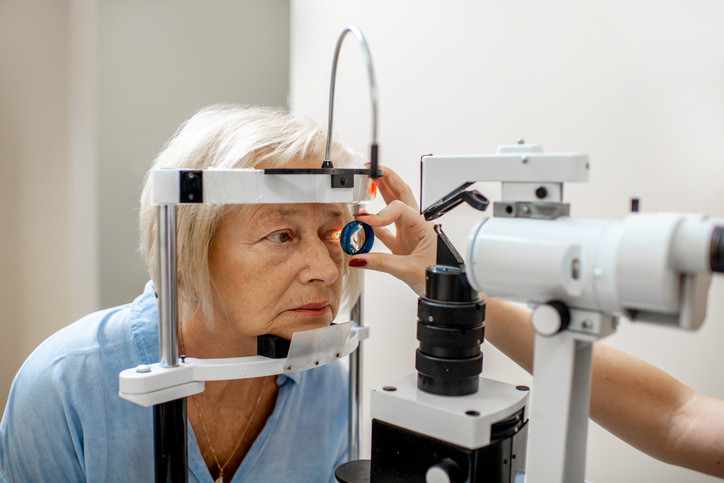
Glaucoma, the second leading cause of permanent blindness in the US, is a group of disorders that damage the optic nerve. It is a complex disease, and while there is currently no cure, diagnosis and prompt treatment can slow or stop progression of vision loss. All adults should have regular eye exams starting at age 40, whether vision is normal or not.
Got vaccine envy? Not only has the pandemic upended our lives, differing state priorities and restrictions on eligibility for highly effective COVID-19 vaccines are fueling feelings of jealousy and unfairness that encourage questionable actions and ethics.
The Dietary Guidelines for Americans, which are published by the US Department of Health and Human Services and the US Department of Agriculture and are updated every five years, have been updated for the 2020–2025 period. While each iteration builds on the previous set of guidelines, there are some changes this time around, and some items that could have been changed but were not.
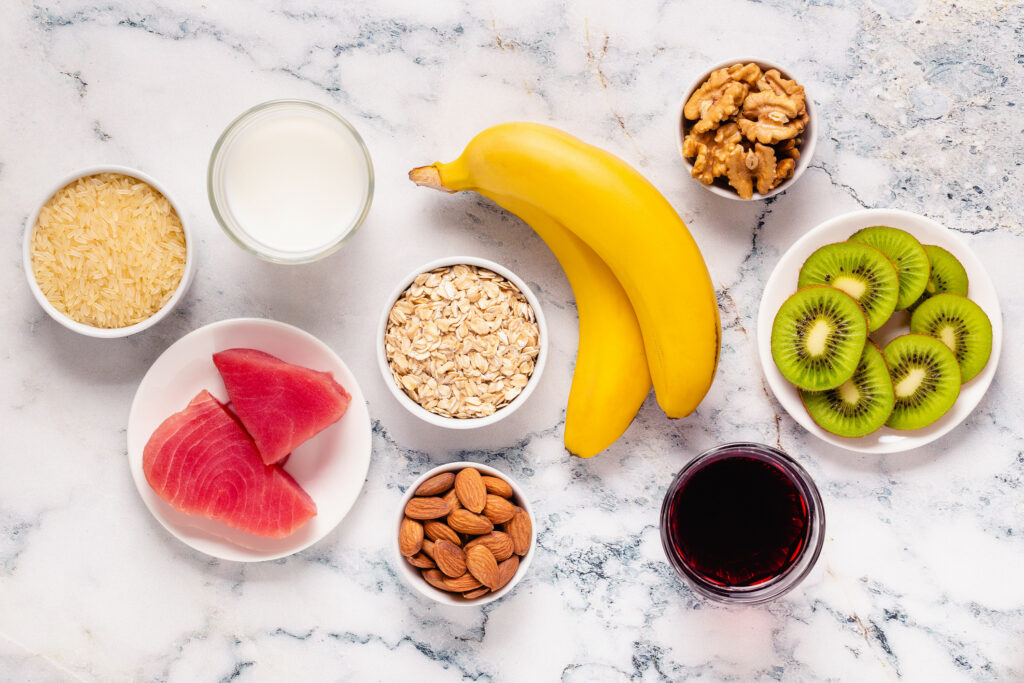
Diet, exercise, and sleep work together, and all three can have an effect on our daily well-being and longevity. Sleep impacts our eating patterns, and our eating patterns affect our sleep: lack of quality sleep may make people eat more, and make less healthy food choices, but certain foods contain substances that may enhance sleep.
We’ve all experienced the feeling of sluggish, fuzzy thinking and a lack of sharpness, possibly caused by an illness or a medication. But what if that feeling didn’t go away and your thinking didn’t return to normal? That’s the situation for some people who have recovered from COVID-19, and there can be long-term effects on other organs as well.
Worrisome levels of arsenic, lead, and other elements called heavy metals that can harm the developing brain are found in some commercial baby foods, according to a recent report. Here’s what parents should know and can do to protect young children.
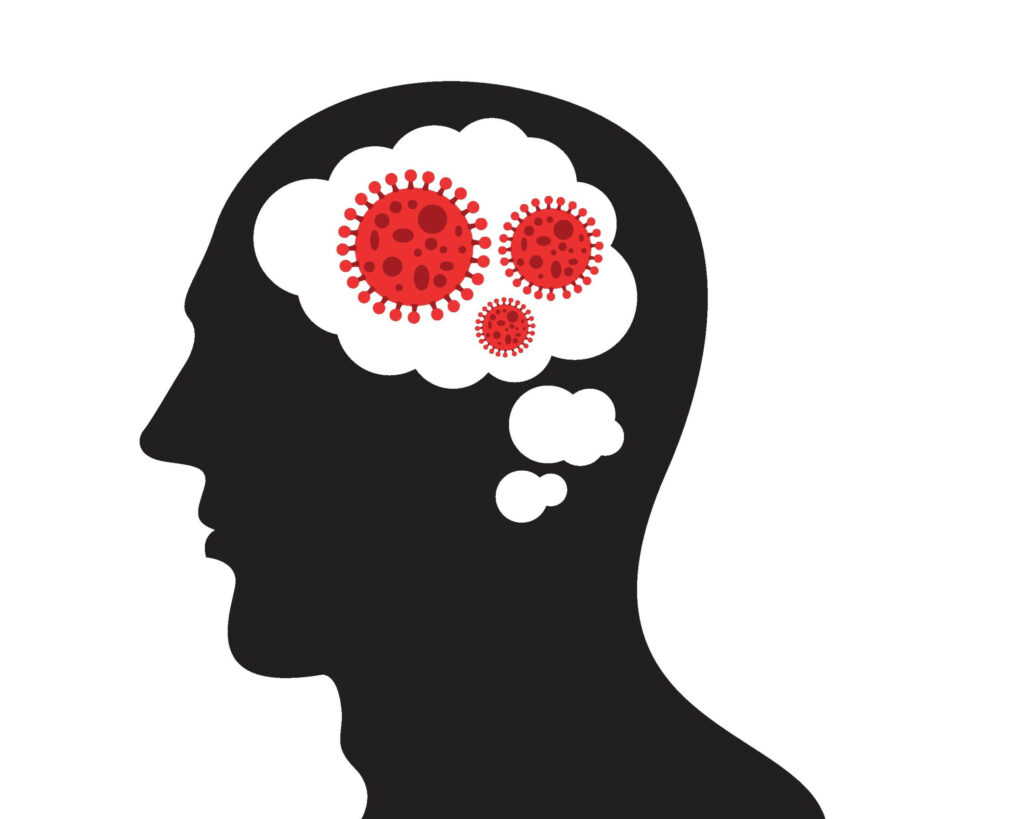
it is becoming increasingly clear that COVID-19 affects the nervous system along with the respiratory system. Research is suggesting that this may result in long-term neurologic damage in those who survive a COVID infection, including evidence of effects on cognitive function.
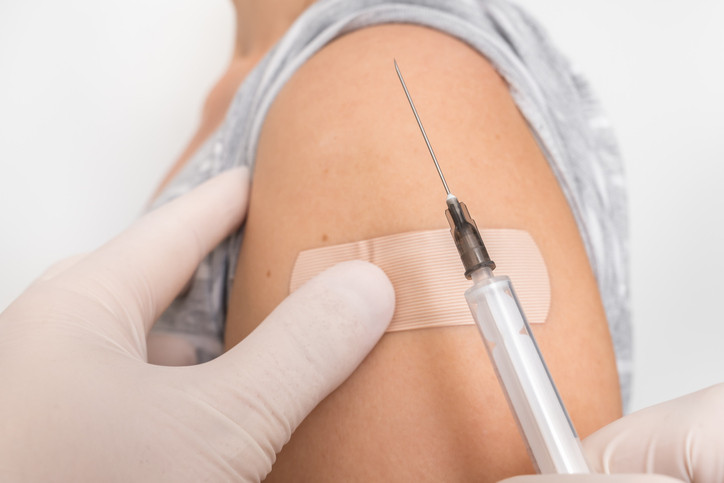
Now that COVID-19 vaccines are starting to become more widely available, some people wonder what it’s like to receive one. One doctor shares her story –– including what happened when close family members became sick with COVID.
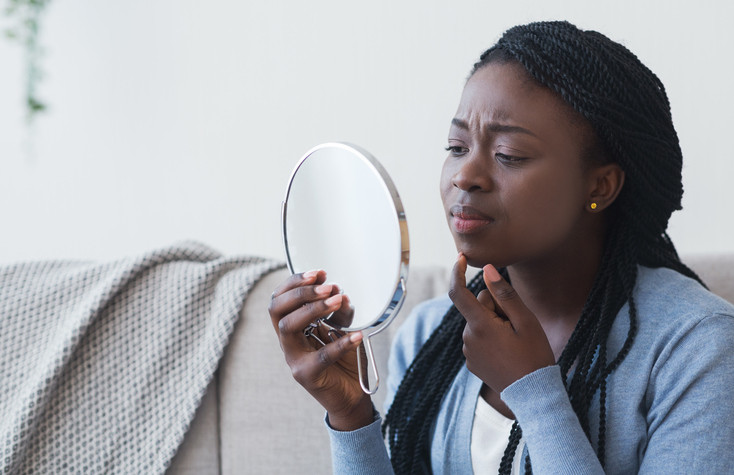
People with darker skin face particular challenges from acne. The release of melanin from skin inflammation can cause scarring or dark spots that can last for months or longer, and this is more likely to occur in people with darker skin. Treatment can help improve or prevent these conditions.
Tens of thousands of people in the US have recovered from COVID-19 but continue to experience feelings of exhaustion, little energy, and mental fogginess that linger for months. Known as “post-COVID long haulers,” they are grappling with uncertainty surrounding when –– and whether –– their health problems will resolve.
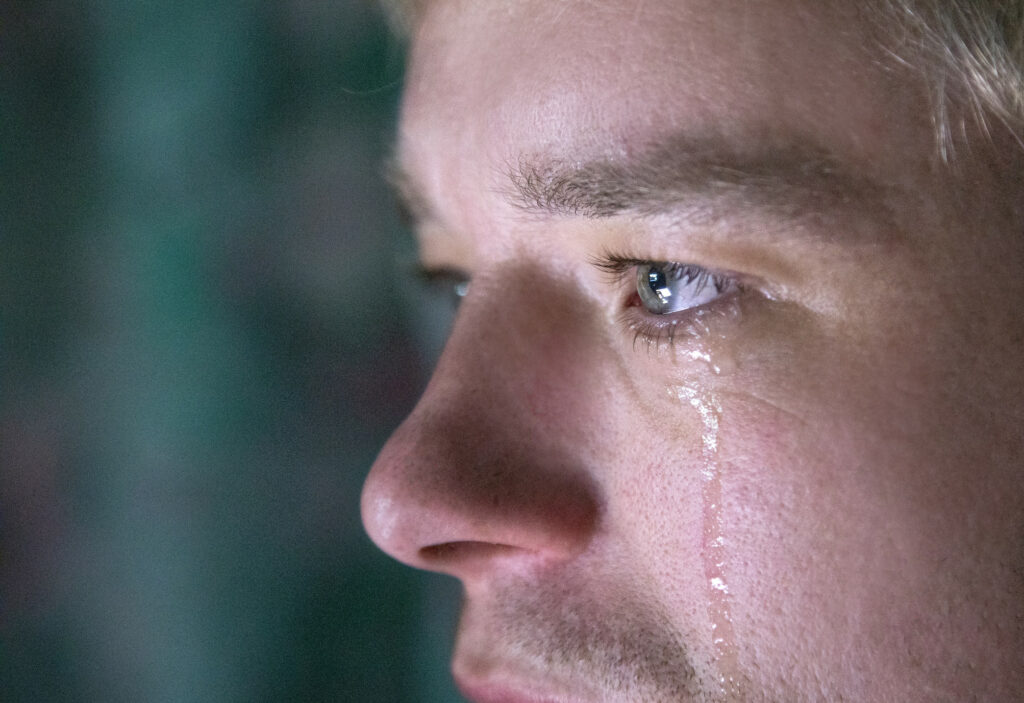
Crying is a natural response to a range of emotions, but is it good for your health? Crying is an important safety valve: it acts as a safety valve for our emotions, and emotional tears flush stress hormones and other toxins out of our systems.
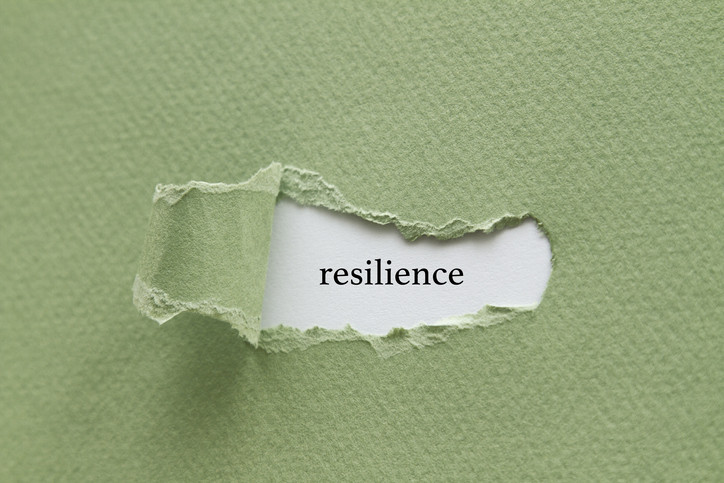
Over the past year, so many of us have experienced various forms of trauma, and reported mental health symptoms have increased dramatically. But at the same time, people have shown resilience and found small moments of solace, relief, and even joy in life’s simple pleasures — and these moments help.
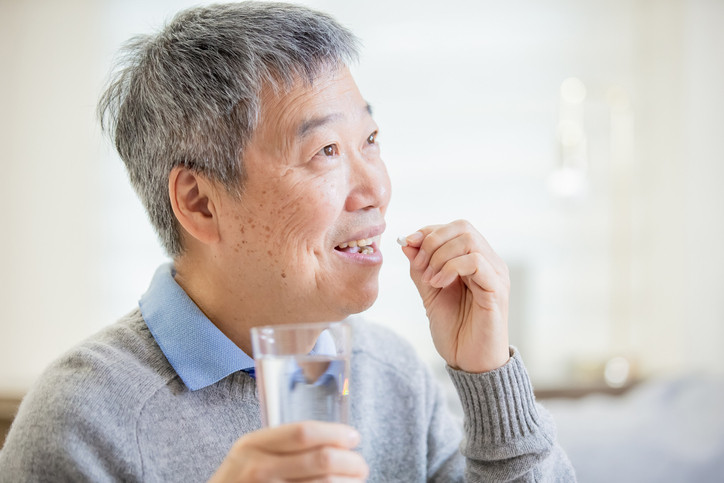
Studies have consistently shown that lowering LDL cholesterol reduces the risk of cardiovascular events and death. But do older adults — even those with existing cardiovascular disease — get the same benefits from lowering cholesterol, and do they face any additional risks from taking cholesterol-lowering medication? An analysis of data from previous studies reached some favorable conclusions.
Empathy helps people get along with others, but the ability to understand another person’s experience comes more easily to some people than to others. However, the capacity for empathy can be honed and improved like any other skill.
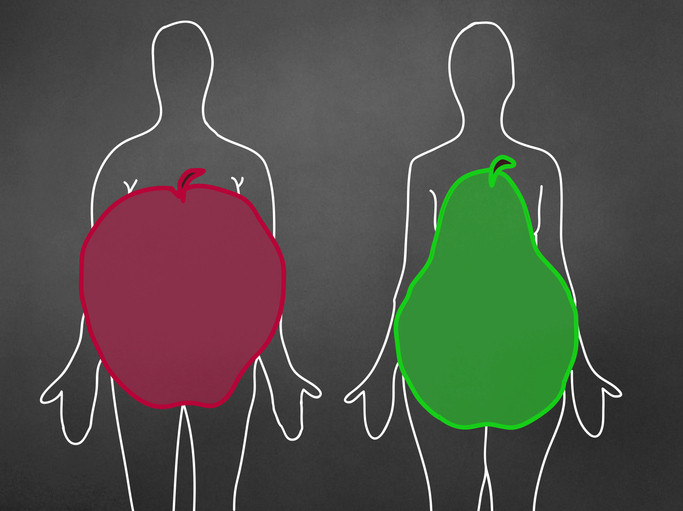
Body mass index is commonly used to assess a person’s weight status and health risk, but it does not indicate how much fat a person has or how it is distributed throughout the body — indicators of metabolic health. A recent study analyzed different measures of body shape to determine which are most predictive of premature death.
COVID-19 vaccination rates among health care workers in nursing homes and long-term care facilities have been lower than expected. Is this an information problem or does it stem from other issues –– and what can be done?
It’s been almost a year since our lives were profoundly altered by the COVID-19 pandemic. For grandparents, marking this anniversary with their grandchildren can help them make sense of what they have been through. Asking them questions will help determine how best to commemorate the day.
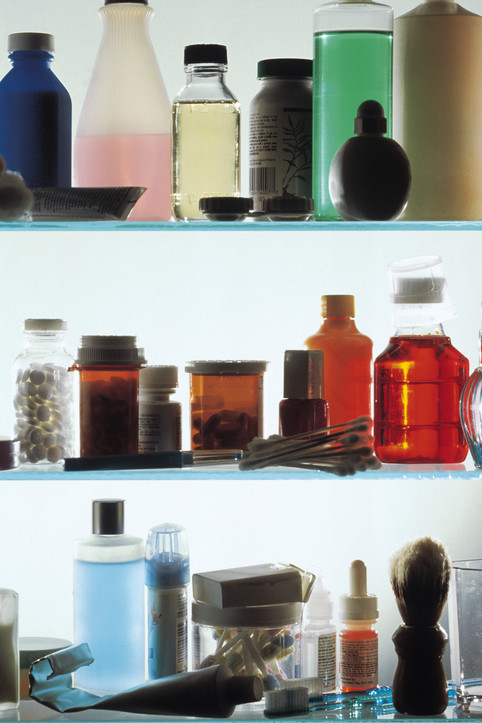
Attitudes toward health –– broadly, maximalist or minimalist –– tend to form early in life and are embedded in our family’s approach to health and well-being. The contents of your medicine cabinet reflect which approach you prefer.

Free Healthbeat Signup

Get the latest in health news delivered to your inbox!

Stay on top of latest health news from Harvard Medical School.

Plus, get a FREE copy of the Best Diets for Cognitive Fitness.

This site is protected by reCAPTCHA and the Google Privacy Policy and Terms of Service apply.