Recent Articles

Harvard Health Blog

Read posts from experts at Harvard Health Publishing covering a variety of health topics and perspectives on medical news.

 
Several heavily-advertised products that are applied to the skin claim to relieve muscle or joint pain, but are not regulated by the FDA, and none of them offers any solid scientific evidence to back up their claims. So are they worth trying?
The American Heart Association issued a statement addressing cardiovascular risks from hormonal therapy for prostate cancer, emphasizing the need to identify men with pre-existing cardiac risk factors or a family history of cardiovascular diseases who should be monitored closely during treatment.
Regular exercise is known to boost cognitive function and reduce the risk of Alzheimer’s. This protection occurs because the hippocampus (the part of the brain responsible for learning and memory) is especially sensitive to the effects of exercise. A study investigated whether older adults who participated in an exercise program could improve nerve connections in their brains.
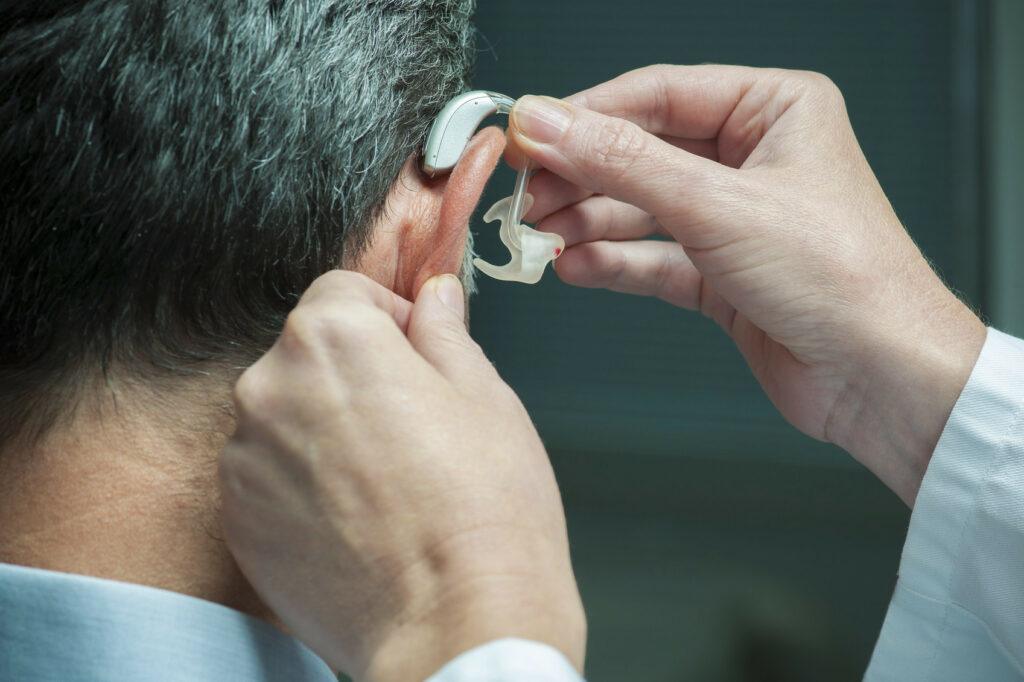
Many people who need hearing aids do not have them, and while there are a variety of reasons for this, cost is a significant factor for many people. The US government is in the process of establishing regulations for the over-the-counter sale of hearing aids for people with mild to moderate hearing loss, which should help to make them easier and less expensive to obtain.
A lot has been written about the benefits of mindfulness, but does it actually work? Can it produce detectable changes in the brain? Researchers in Australia investigated whether mindfulness training improved a person’s ability to pay attention
Gastroesophageal reflux disease is a common condition that affects approximately one out of every five people in the western world. Despite the effectiveness of medications, there are concerns about the long-term effects of some of these drugs. A recent study identified five lifestyle factors that can affect the chance of developing GERD.
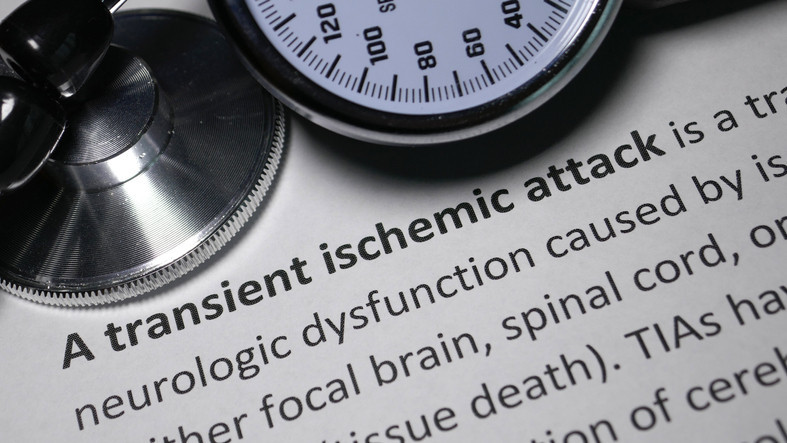
A transient ischemic attack is a temporary change in nerve function due to disrupted blood flow. It may affect speech, vision, or movement for a short time, and is considered a warning sign for a stroke. Some symptoms of a TIA may go unnoticed, so knowing all the signs could help you recognize a risk factor for an imminent stroke.
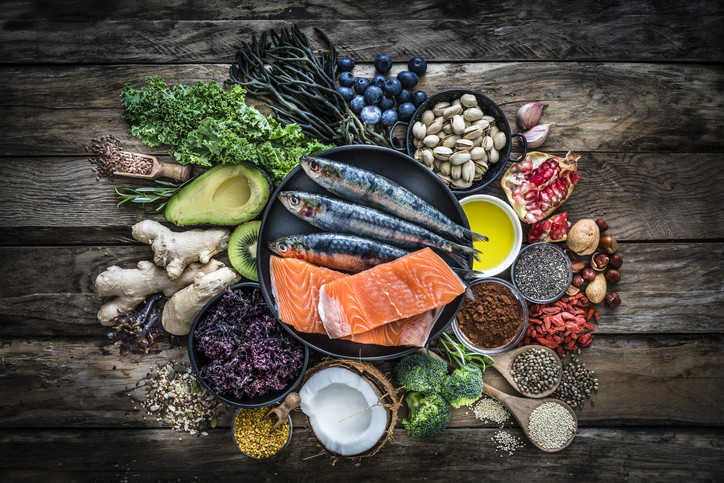
Inflammation can be a beneficial sign that the body’s immune system is fighting an infection, but it can also linger over time, damaging the body. There is evidence that eating a diet heavy in foods that promote inflammation can increase the risk for certain health problems, and also that a healthy diet can reduce inflammation.
Inflammatory bowel disease (IBD) is a treatable condition once considered a disease that largely affects people who are white, although in recent years it has been diagnosed more often in other racial and ethnic groups, in the US and around the world. Recognizing this condition early can make a difference in care and quality of life.
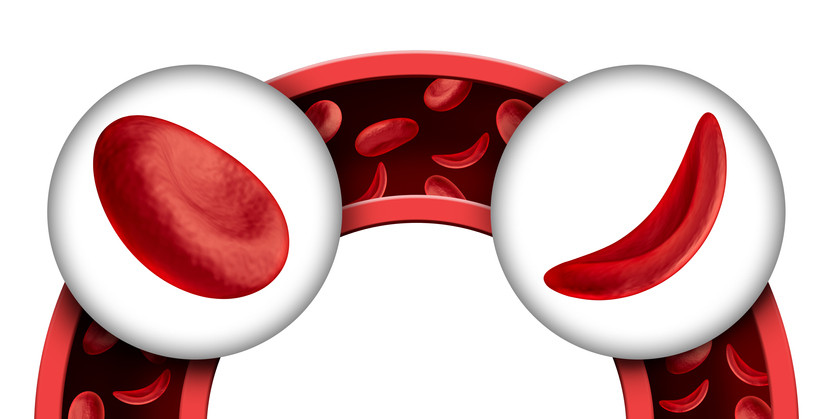
Millions of people around the world have sickle cell disease, a genetic condition that can cause pain and damage to organs or tissues, and can make children more susceptible to other health problems. In the US, most cases are diagnosed through screening in newborns. Getting connected to the proper care early in a child’s life can help prevent complications from the disease.
Every day, more and more adults are getting vaccinated against COVID-19, helping us build toward herd immunity. But what about children and teens? What is the status of research on the vaccines in these groups, and when might vaccines be available for them?
The number of sexually transmitted infections reported in the US reached an all-time high last year. Having an STI can raise a person’s risk of getting HIV or having infertility or pregnancy complications, but STIs are preventable and treatable. Knowing the facts about STIs and testing is the first step.
Although it has been known for some time that individuals with dementia frequently have poor, fragmented sleep, two new studies suggest that if you don’t get enough sleep in midlife, you are at increased risk for dementia later in life.
After too much time spent indoors (and probably less active than is healthy), getting outside and taking a hike is a great way to get some exercise while enjoying nature. But before you hit the trail, make sure you’re well prepared.
A history of discrimination in multiple settings, including health care, may make some people who identify as LGBTQ+ hesitant to get a COVID-19 vaccine, even though the virus has disproportionately harmed this community. If you’re struggling to make a decision, this may help you consider benefits and risks.
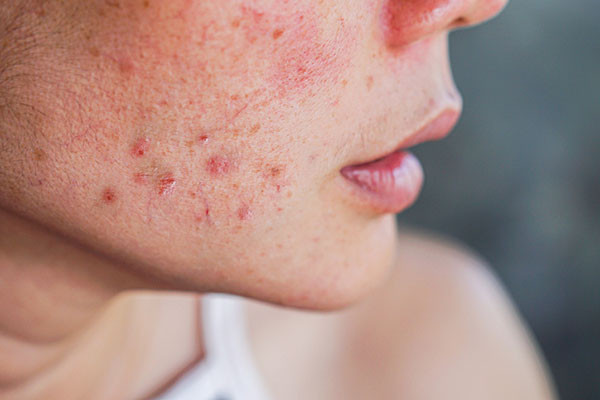
Polycystic ovary syndrome is the most common cause of infertility in women. In many cases, women with PCOS have skin and hair issues such as acne, hair loss, or excessive hair growth in places where they normally do not have hair. Treatment options vary depending on the symptoms and each woman’s preferences.
Obstructive sleep apnea leaves people tired, but also puts them at risk for other health problems. Not everyone with sleep apnea can use an airway pressure machine, and some may simply prefer not to. There are oral appliances available, but are they effective?
No one likes being stuck by a needle, and it’s not unusual for a person to be afraid of needles. If it’s serious enough, this phobia can affect quality of life and overall health — an especially important concern with vaccination available for COVID-19. But there are ways to cope with the problem.
As more states have legalized the use of marijuana and products derived from it, more children are being exposed. Children can’t be trusted not to eat appealing-looking food items they may find, so it’s up to adults to take precautions and make sure edibles are stored where children can’t find them.
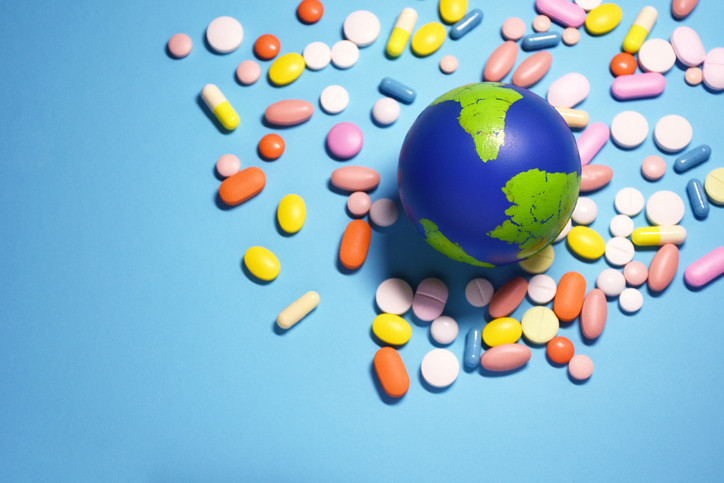
The key factor causing climate change is greenhouse gas emissions, and the health care industry plays a significant role, with drugs and chemicals being the biggest contributor. While the benefits of medications to the world can’t be overstated, here’s how to balance the need for them with concern for the environment.
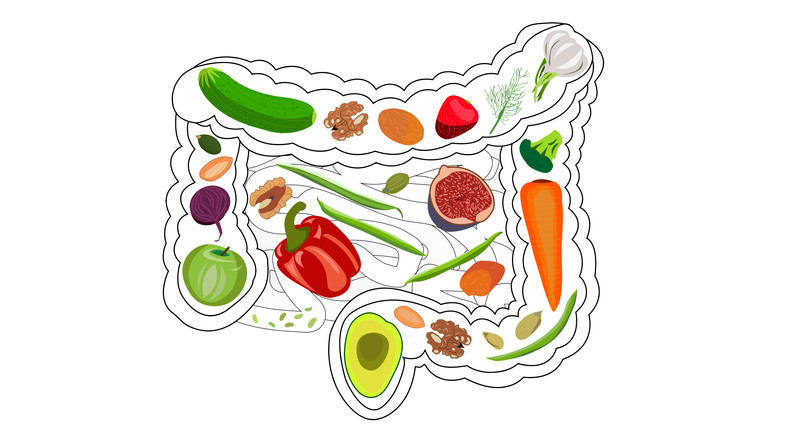
A healthy microbiome — the genes of tiny organisms living in the digestive tract — helps protect its human host from chronic diseases. Researchers do not yet fully understand the connection, but it appears that eating unprocessed plant-based foods allows the gut microbiome to thrive.
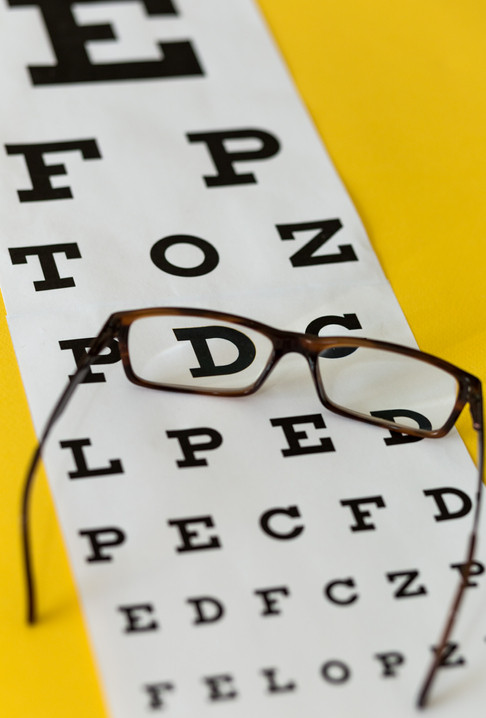
While eye problems can affect people of any age, some conditions become more common after age 40. Some are normal, or at least expected; others are of greater concern and will require treatment. Here’s how to keep your eyes healthy and address certain problems.

Free Healthbeat Signup

Get the latest in health news delivered to your inbox!

Stay on top of latest health news from Harvard Medical School.

Plus, get a FREE copy of the Best Diets for Cognitive Fitness.

This site is protected by reCAPTCHA and the Google Privacy Policy and Terms of Service apply.