Recent Articles

Harvard Health Blog

Read posts from experts at Harvard Health Publishing covering a variety of health topics and perspectives on medical news.

 
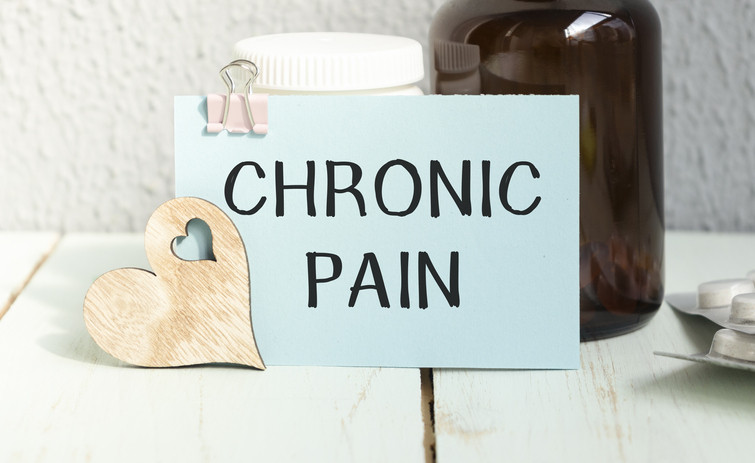
Antidepressant medications are frequently prescribed for chronic pain, particularly neck or low back pain and certain types of arthritis — though other treatments are usually tried first. An analysis of past research considered how effective antidepressants are for these types of pain, but the results are not encouraging.
On top of the unprecedented strains that COVID-19 has has placed on all of us, Asian Americans have confronted skyrocketing rates of discrimination, verbal assaults, and physical violence. The cumulative burden of these incidents contributes to mental and emotional trauma, even among those not directly attacked.
Advances in breast cancer research have led to more personalized treatments, based on subtyping and more sophisticated testing. A risk assessment test can predict that some women do not need chemotherapy but will benefit from hormone therapy, and who might benefit more from both treatments.
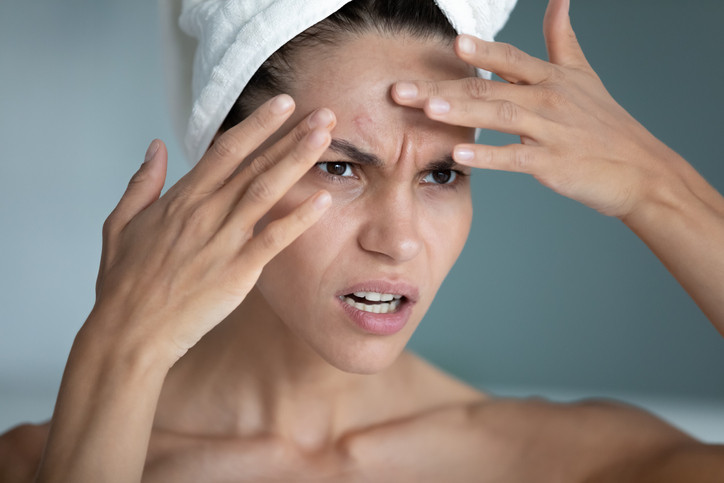
In addition to everything else associated with stress, it can have negative effects on the skin, and can also aggravate certain skin conditions. But skin and hair also produce stress-inducing signals that can travel back to the brain, adding to psychological stress and perpetuating a stress cycle.
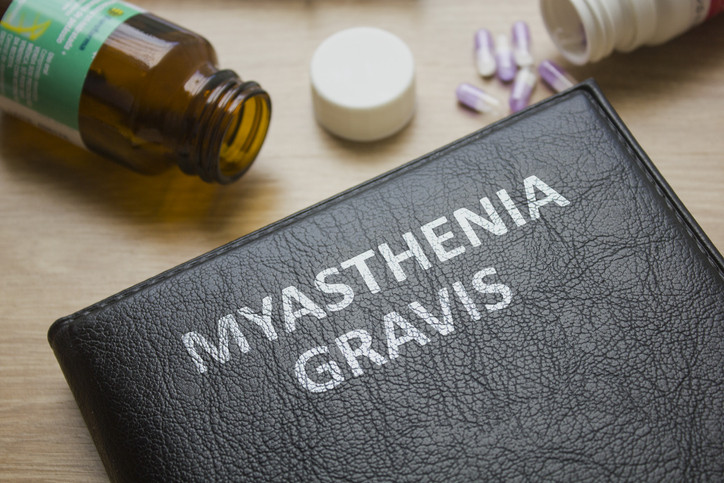
Myasthenia gravis (MG) is a rare neuromuscular disease that impairs the transmission of nerve signals to muscles, causing temporary weakness of affected muscles. While treatment is complex, recently updated guidelines have added to the understanding of MG and are improving approaches to treatment.
During perimenopause, some women notice that they are having trouble focusing or are more forgetful. Are sleep disturbances, stress, or hormones behind this brain fog –– and what can you do to feel less foggy?
Peer support groups in mental health allow people with similar lived experiences to listen, share, and encourage one another. A Black peer support group created around race and culture as well as mental health may offer a safe space that allows people to address aspects of shared identity and experiences around racism with others who understand their daily reality.
Excessive alcohol use is a common response to coping with stress, but the physical, mental, and emotional impacts of the COVID-19 pandemic have had a disproportionate effect on women. There are medical and psychiatric consequences of increased alcohol use that women need to be aware of.
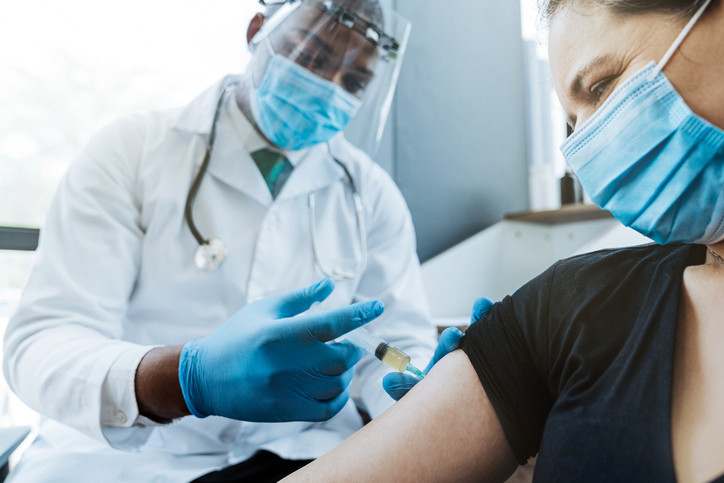
Grandparents tired of pandemic video calls are eager to hug grandchildren, and as seniors receive COVID-19 vaccinations, many want to know what their vaccination status means with regard to family and friends. Here are responses to some common questions.
What can you safely do after receiving the COVID-19 vaccine? Many people are eager to resume normal activities and see their family and friends. Some situations are lower-risk than others, and whether or not the other people you will be interacting with have also been vaccinated matters, too.
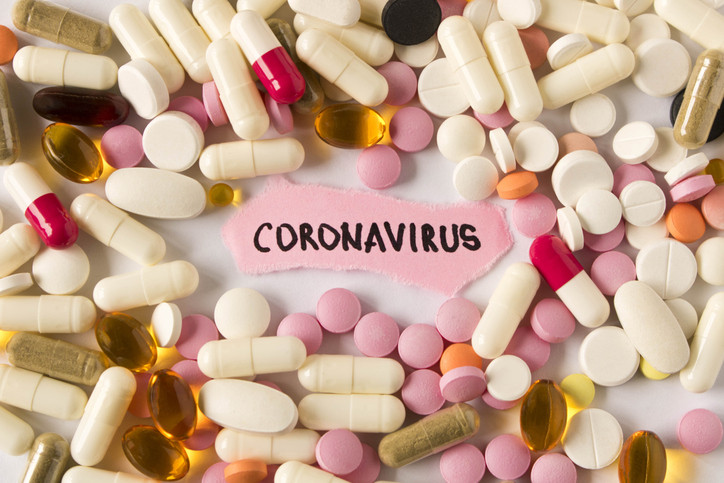
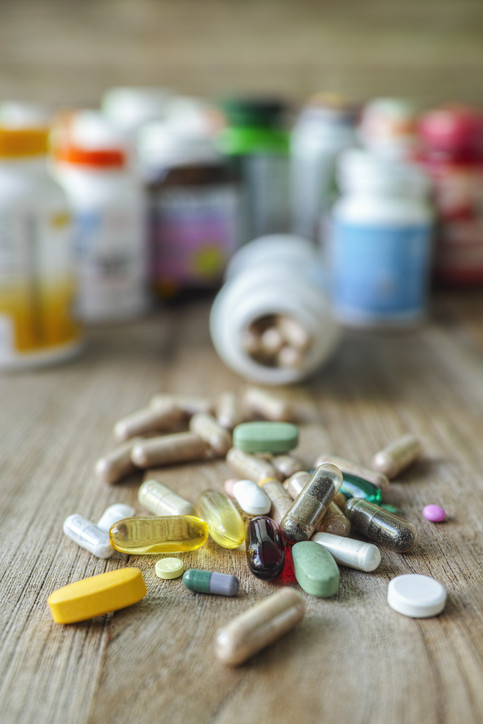
Certain vitamins and supplements have long been promoted as having benefits for the immune system, which has led some to believe they may have similar effects on COVID-19 — and some doctors have been prescribing them. But so far, study results have not been encouraging.
Sleep is important for your memory, as the brain uses the time you are sleeping to process new information and consolidate it for later recall. If you are tired from a lack of sleep, it’s more difficult to pay attention, and attention is necessary to good memory function.
Prostate cancer is often a multifocal disease, meaning that several tumors can be present in different parts of gland at the same time. Not all of these tumors are equally problematic, however. And it’s increasingly thought that the tumor with the most aggressive features — called the index lesion — dictates how a man’s cancer […]
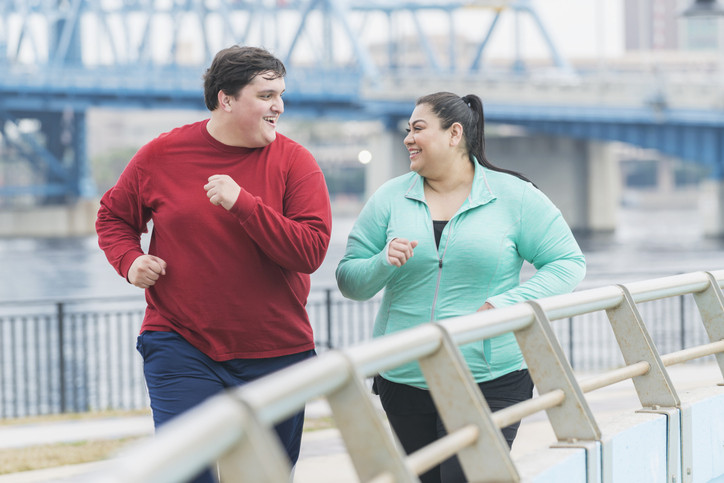
Some research has suggested that people who are overweight but also active can experience a reduction in cardiovascular disease risk. Researchers examining this “fit but fat” paradox found that being active is somewhat protective compared to being inactive, but ultimately does not offset the other negative effects of having overweight or obesity.
Mitochondria are the power stations in our cells that convert nutrients into energy, and research suggests that they play a key role in aging and immune function. Ads for a line of supplements claim that the product renews or replenishes mitochondria –– but is there any scientific proof of this?
While some children have been attending school in-person throughout the pandemic, most have been learning remotely, or in a hybrid model. As more schools reopen for in-person learning, parents can ask key questions about their school district’s plans and help their children prepare to go back.
Mentally stimulating activities help the brain create new connections that may prevent cognitive decline as people get older, and there are plenty of simple, low-tech ways to sharpen your thinking that are budget-friendly.
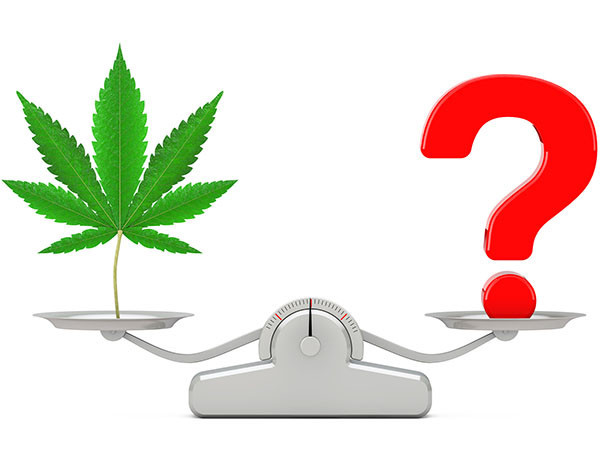
While cannabis is still illegal at the federal level, more than two-thirds of US states have made it partly or fully legal for medical purposes. People who decide to use marijuana for a medical condition often have questions about its safety and proper use — the same considerations doctors weigh when determining whether it should be prescribed for a particular patient.
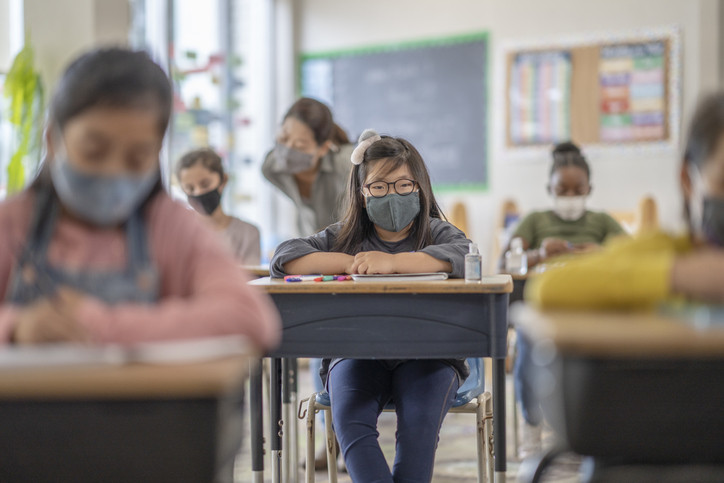
After nearly a year of the pandemic, parents want their children to go back to school, but no one wants students or teachers to get sick with COVID-19. The Centers for Disease Control and Prevention has released new guidelines for how schools can accomplish in-person learning safely.
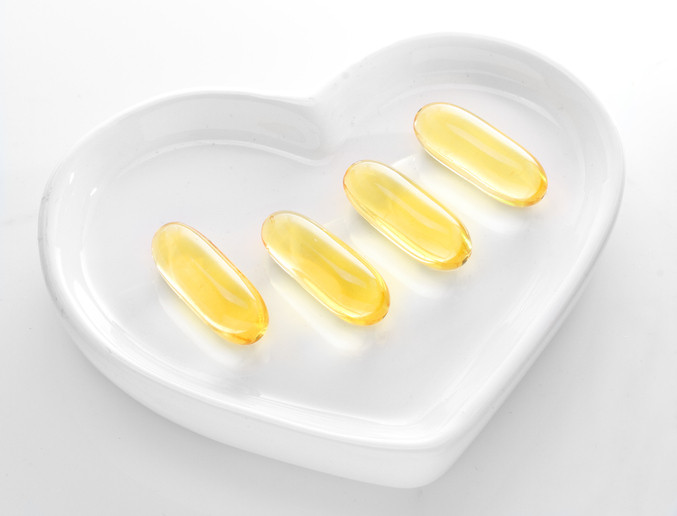
Omega-3 fatty acids from fish and fish oil have been recommended by the American Heart Association for the past 20 years to reduce cardiovascular events in people who already have cardiovascular disease. But the results of studies of omega-3 supplements have been mixed, leaving both doctors and patients still wondering what to do.
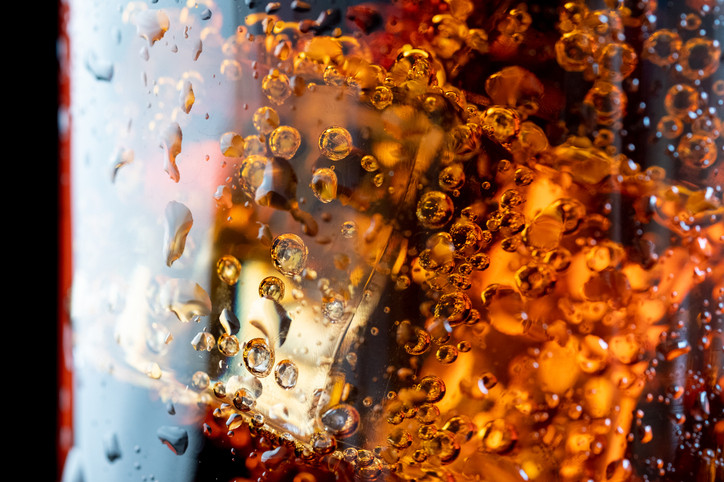
Trying to cut back on calories by drinking diet soda or flavored sparkling water may not help with weight loss, and some research suggest it may actually lead to weight gain. But why, and what are the alternatives?

Free Healthbeat Signup

Get the latest in health news delivered to your inbox!

Stay on top of latest health news from Harvard Medical School.

Plus, get a FREE copy of the Best Diets for Cognitive Fitness.

This site is protected by reCAPTCHA and the Google Privacy Policy and Terms of Service apply.