Harvard Health Blog
Read posts from experts at Harvard Health Publishing covering a variety of health topics and perspectives on medical news.
Many suicides are impulsive, with just minutes or an hour elapsing between the time a person decides upon suicide and when he or she commits the act. Yet the stressful events that lead to suicidal thoughts are often temporary, such as losing a job or having a romantic relationship end.
Several people who read my earlier post about radiation readings at the Fukushima Daiichi nuclear power plant in Japan pointed out that the time period over which the radiation exposure occurs is important. They’re right—the radiation dose and how long you are exposed to it determine how much radiation you are receiving. That is why […]
News from Japan is full of talk about radiation risk and millisieverts. Harvard Health Letter editor Peter Wehrwein explains radiation doses and compares what’s happening in Japan with other exposures, from medical testing to Chernobyl and more.
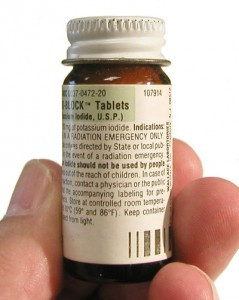
Japanese officials are preparing to distribute potassium iodide pills to people living near the nuclear power plants crippled by last week’s earthquake. Harvard Health Letter editor Peter Wehrwein explains what these pills do and who needs them.
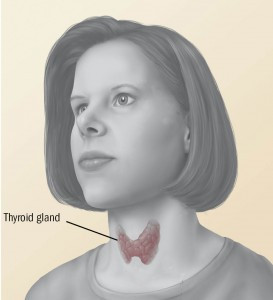
The steam emitted by Japan’s failing nuclear reactors contains radioactive iodine-131. People living near the reactors can get substantial doses of iodine-131 by breathing the vapor from the reactors or ingesting iodine-131 from food or water. It accumulates in the thyroid gland, and significantly increases the risk of developing thyroid cancer.
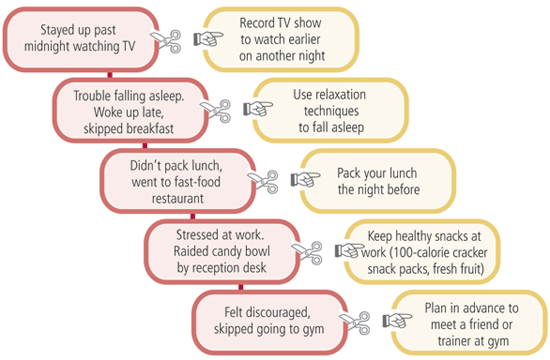
The hardest part of trying to lose weight is the “intention-behavior gap.” That’s the disconnect between knowing what you need to do and actually doing it. A behavior chain can help you bridge the gap. This tool can help you recognize how a series of seemingly minor events can lead to an unfavorable outcome, such as overeating, and how to break the links.
A large new study links drinking sugar-sweetened sodas and juices with higher blood pressure and extra pounds. The results are in line with earlier studies, and with some clinical trials, showing that daily consumption of sugar-sweetened beverages isn’t so good for the body.
Teenagers and young adults who use marijuana may be messing with their heads in ways they don’t intend. Ongoing research shows a possible link between early use of marijuana and later development of psychosis or schizophrenia.
Headaches that appear every day can take over your life. A former editor at Harvard Health Publishing, who preferred to go by CJ for this post, tells what it’s like to live with migraine every day and offers tips for coping with the worst.
If someone who stays fit for a living, like tennis star Serena Williams, can develop a blood clot in her lungs, anyone can. Called pulmonary embolism, this potentially deadly condition affects up to 600,000 Americans each year. Knowing the warning signs can help you get treatment right away.
The King’s Speech has won almost universal praise for its portrayal of reluctant monarch George VI’s stuttering. Harvard Health Letter editor Peter Wehrwein takes you behind the scenes with Alex Johnson, an expert in speech and stuttering at the MGH Institute of Health Professions in Boston; Caroline Bowen, an Australian speech-language therapist; and a few other scattered sources.
Cereal fiber–from whole wheat bread, whole wheat pasta, brown rice, barley and other whole grains–seems to offer more protection against heart disease and other chronic conditions than fiber from fruits and vegetables. The benefit isn’t necessarily from the fiber alone, but the natural package of nutrients that comes with the fiber. Processed foods, which are often stripped of their fiber and nutrients and then “fortified” in the manufacturing process, don’t measure up.

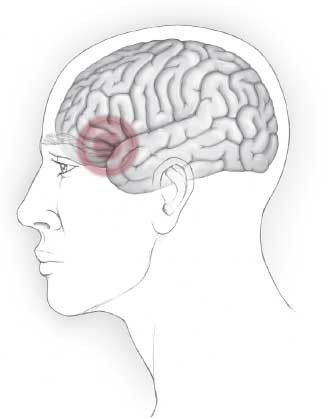
An elegant new study showing that a cell phone can stimulate brain activity is certain to heat up the debate about whether or not cell phone use is linked to cancer. It’s an important signal that it’s high time scientists take a harder look at how the energy radiated by a cell phone, a mobile phone, or any other energy-emitting device we hold next to our heads affects the brain.
The latest hubbub about taking zinc to shorten a cold is media hype at its finest. The review that sparked the media storm on zinc and colds says there’s a lot more to be done before recommending taking zinc for the common cold. The negative side effects of zinc are also worth considering.
Deep brain stimulation, an experimental treatment for obsessive compulsive disorder (OCD), is being misused, say prominent neuroscientists and ethicists in a hard-hitting paper in the journal Health Affairs. Their concerns echo cautions reported last year in the Harvard Mental Health Letter.
Health problems, or treatments for them, sometimes thwart sexual desire and sexual function. There may not be a quick fix for health-related sexual problems, but there are things you can do to enjoy your love life while taking care of the rest of your health.
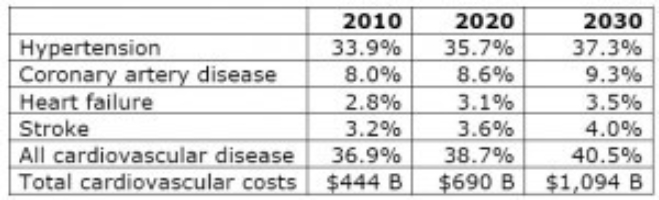
The American Heart Association is predicting a big increase in cardiovascular disease over the next 20 years, fueled largely by the aging of baby boomers. Greater attention to heart-healthy living among boomers, their children, and grandchildren, could prove the AHA wrong.
Tomorrow night at 6:30 p.m., tens of millions of television sets will be turned on as Americans sit down and participate in that unofficial national holiday called “watching the Super Bowl.”
This picture shows the view from my office window in Boston: dull, dreary, and depressing — at least on overcast days like today. Lack of light is one of the reasons that people feel mentally foggy. One of the bloggers I follow, Rachel Zimmerman of WBUR’s CommonHealth blog, recently wrote that she’s been drinking three times as much coffee as usual. In addition to imbibing more caffeine, I’ve been trying to boost my spirits and alertness with midday runs to the snack machine (not the best strategy, in case you’re wondering).
Saying goodbye as the end of life approaches can be difficult, even for someone like writer Joyce Carol Oates. Her recent essay in The New Yorker about the impending death of her husband highlights the need for each of us to think about death and dying — and discuss them with loved ones — long before they become a likelihood.
Good news for parents, teachers, pediatricians, and others engaged in the ongoing battle against lice: the FDA just approved a new treatment for head lice in children age four and older. Called Natroba, it’s a liquid that is rubbed into the hair and allowed to sit for 10 minutes before being rinsed off. Natroba is a useful addition to the anti-lice arsenal, since some head lice have become resistant to permethrin and pyrethrins, the active ingredients in over-the-counter anti-lice products such as Nix and Rid.
When reports arrived that accused gunman Jared Lee Loughner had opened fire in Tucson, Arizona on January 7, journalistic first responders linked the incident to the fierceness of political rhetoric in the United States. Upon reflection, some of the discussion has turned to questions about mental illness, guns, and violence.
“More does not equal Better” applies to diagnostic procedures, screening tests meant to identify problems before they appear, medications, dietary supplements, and just about every aspect of medicine.
The myth began after a small study published in 1998 in the Lancet by Andrew Wakefield and colleagues at Royal Free Hospital and School of Medicine in London suggested that childhood vaccines might cause some cases of autism. Although the study involved only 12 children, the paper ignited a contentious debate about the safety of childhood vaccines that has continued ever since.