Harvard Health Blog
Read posts from experts at Harvard Health Publishing covering a variety of health topics and perspectives on medical news.
What could you do today to feel happier? Three strategies drawn from positive psychology, a field that aims to improve moods and lives, may help.
Wondering how many grams of protein to have per day? The answer may surprise you. Discover the recommended daily protein intake and how to calculate it here.
Ringworm is a common, contagious skin infection caused by a fungus. Children can get it from other people who have it or from an infected animal. While it can be itchy and unpleasant, ringworm is usually harmless.
If you work out at a gym, you may notice warnings on the exercise equipment. For most of us, these warnings should not be cause for alarm, although people with certain health conditions should be cautious about exercising.
Tramadol is a painkiller used to relieve moderate to severe pain. Learn more about this medication and if it might be right for you.
Reports of severe lung illness experienced by hundreds of people who were using e-cigarettes raise questions again about the safety of vaping. Vaping can help some people stop smoking, but potential health risks likely outweigh any benefit.
High temperatures stress the body, leading to thousands of heat-related illnesses and deaths every year in the US. Learn when hot weather becomes dangerous and how to create your own hot weather safety plan.
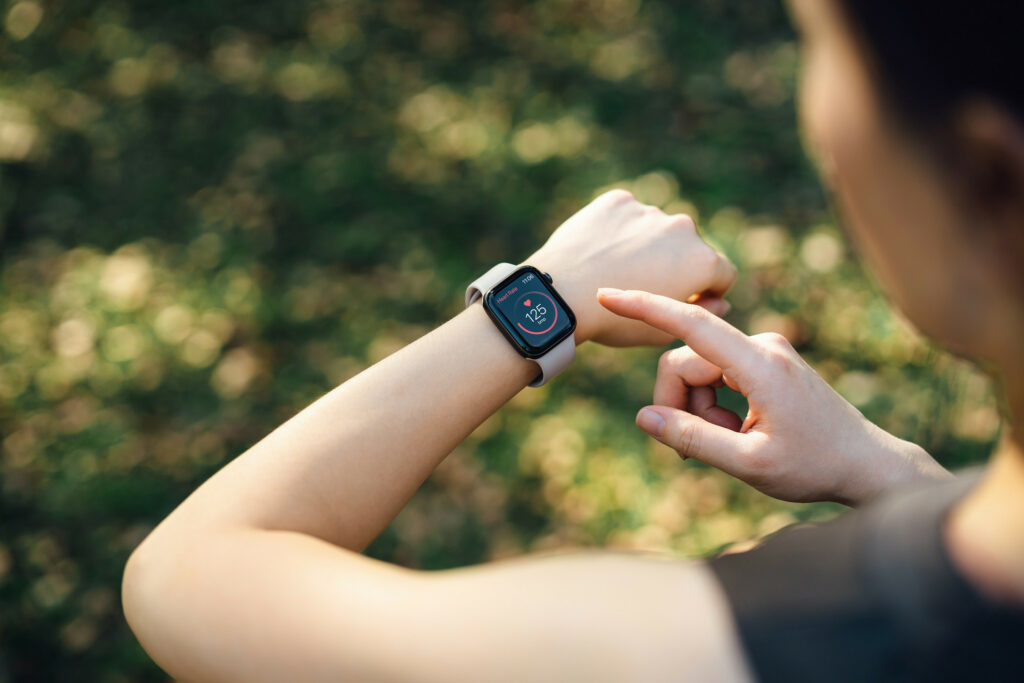
Your heart rate changes from minute to minute. It depends on whether you are standing up or lying down, moving around or sitting still, stressed or relaxed.
Drinking water and changing your diet are just some ways to avoid kidney stones. See the full list here.
Prostate cancer is generally viewed as a disease of older men, yet about 10% of new diagnoses occur in men age 55 or younger. Biological differences partially explain the discrepancy, but socioeconomic factors also play an important role.
As devices become more pervasive, and as many children become more scheduled with lessons and organized activities, making time for device-free play can be a challenge. Here’s why it’s important prioritize free play in a child’s life.
Children with neurodevelopmental conditions like autism spectrum, ADHD, and intellectual disabilities may need extra support in building friendships and participating in social activities. Parents and other adults can help children develop their social and emotional skills.
An ad for a medication to treat thyroid eye disease accurately describes the symptoms of the condition, but as is common with such ads it does not discuss other possible treatment options, or other information that people should be aware of.
What drives forms of self-harm like cutting that some teens engage in? Gaining an understanding of why some children harm themselves by cutting their skin, what signs to be aware of, and how to approach the subject can help parents respond if this occurs.
A new study finds that experiencing discrimination in the workplace—where many adults spend one-third of their time, on average—may be harmful to heart health.
Life would be extremely difficult for humans if we didn’t have elbows, yet when it comes to joints we hear very little about them. So let’s consider what the elbows do for us and why we should do all we can to protect them.
Swimming is a great activity for children, but for children with the allergic skin condition known as eczema, swimming can be complicated. Taking steps to protect skin before and after a swim can help.
Muscle dysmorphia is a preoccupation with a muscular and lean physique that is more pervasive in boys. Learn the signs of body dysmorphia as well as ways to encourage positive body image.
Dementia poses many challenges, both for people struggling with it and for those close to them. Understanding common behaviors and learning to handle situations that arise can help families and caregivers.
Body mass index (BMI) is a calculation of your size that expresses the relationship between your height and weight as a single number. It’s useful for a person to know, but research shows that BMI on its own frequently misclassifies a person’s metabolic health.
If you have chronic arthritis pain, you may have been tempted to try cannabidiol as a treatment, or you may have tried it already. But is there any evidence that it works? Studies are finally addressing this question, and the results are just starting to come in.

While Lyme disease is the most commonly reported tick-borne illness in the United States, a report from the CDC shows that ticks that cause babesiosis are appearing in more parts of the Northeast and Midwest.
Lead poisoning is a serious health risk for children. And yet, they may be exposed to lead in their daily lives. Learn the dangers of lead exposure and what you can do to keep your child safe.
Allergy season is longer and more intense this year—causing sneezing, and itchy eyes in millions of people. But allergies also affect the brain, causing symptoms like brain fog. Here are some ways to prevent or ease brain fog from allergies.