Harvard Health Blog
Read posts from experts at Harvard Health Publishing covering a variety of health topics and perspectives on medical news.
Middle school can be challenging for many students, with increased time demands, more homework, and social situations to navigate. What can parents do to support their kids and strengthen family bonds during this period in their lives?
Online gambling is a popular and growing business, but for millions of Americans, what begins as occasional fun can lead to devastating problems. Trouble with gambling often builds gradually and severe gambling problems share risk factors with substance-related disorders.
Learn which vaccines can help protect you against serious illness and hospitalization from RSV, COVID, and the flu this fall.
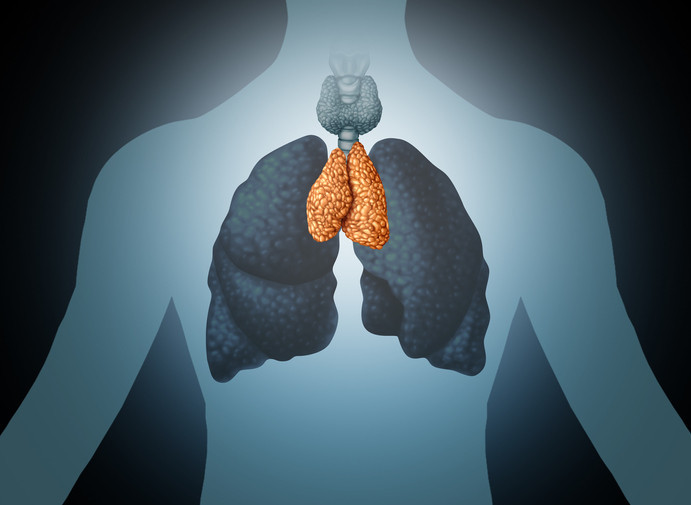
The thymus gland is very important in the development of the immune system during fetal growth, infancy, and early childhood. As we grow into adulthood the thymus shrinks, but growing evidence suggests the gland may play a role in adult health for much longer than previously thought.
In the US population as a whole, deaths from colon cancer have been declining, but in people under 50 that rate has increased. Most major medical organizations recommend screening beginning at age 45 for people at average risk.
Removing tonsils in childhood was once routine care for healthy children, but is no longer recommended. Why are some organs and glands — appendix, tonsils, adenoids and more — considered expendable and why do we have them if they’re not needed?
If you’ve got a vomiting kid, you don’t need to rush out to the drugstore and buy those oral rehydration solutions. Just add some water to the juice you have in the refrigerator, and you’re all set.
Measles is a highly contagious disease that can cause serious health complications in some people. It’s also highly preventable through vaccination. Here are the facts that everyone — especially parents — needs to know about measles.
The tongue’s appearance gives doctors an idea about certain aspects of your health, and its color is an important clue. Some changes in the tongue’s color or appearance are signs of health issues and should be seen by a doctor.
Is 98.6˚ F still the norm for body temperature? Data collected over almost 160 years show that the normal body temperature has been declining and is now roughly one degree lower.
If you hear your child start coughing, it’s natural to wonder: could this be the flu, or is it another virus like COVID or RSV, or even a common cold? Here’s what to know about similarities between these illnesses and what to do if your child does have the flu.
Getting older has its benefits—and its drawbacks. Included in the latter are hemorrhoids. These swollen blood vessels on the outer rectum and anus can turn bowel movements into intensely painful experiences. Classic symptoms include rectal pain, itching, bleeding, and possibly prolapse (protrusion of hemorrhoids into the anal canal). Although hemorrhoids are rarely dangerous, they can be a painful recurrent bother.
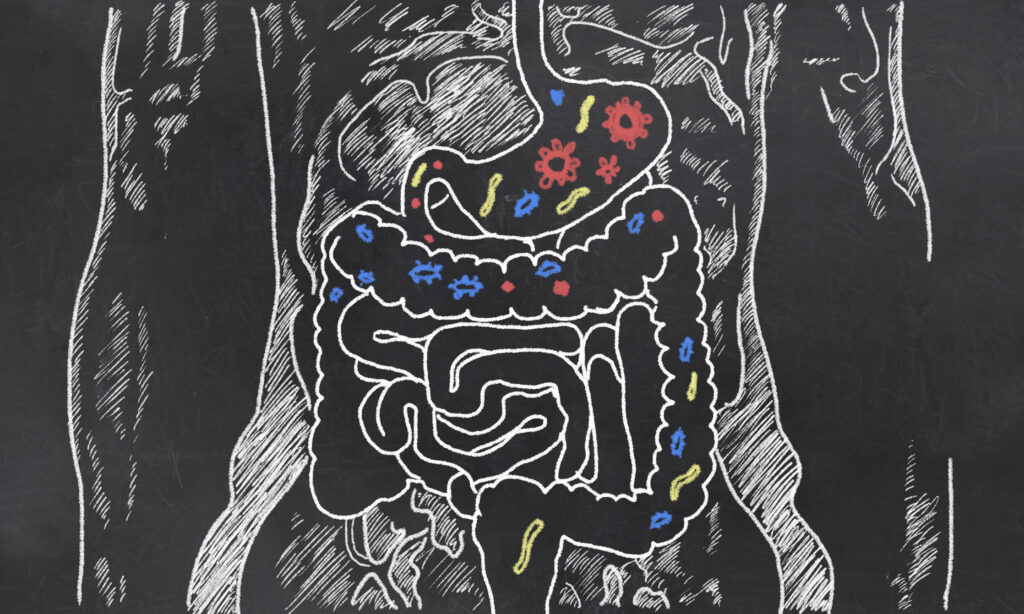
Before the medical community had better understanding of the mechanisms that cause disease, doctors believed certain ailments could originate from imbalances in the stomach. This was called hypochondriasis. (In Ancient Greek, hypochondrium refers to the upper part of the abdomen, the region between the breastbone and the navel.) This concept was rejected as science evolved and, for example, we could look under a microscope and see bacteria, parasites, and viruses. The meaning of the term changed, and for many years doctors used the word “hypochondriac” to describe a person who has a persistent, often inexplicable fear of having a serious medical illness.

Ads for products that promise to supercharge the body’s immune system make claims that sound too good to be true. But do these products actually work?
RSV is a common virus that just causes cold symptoms for most people. But for infants up to eight months, and for babies and young children with certain health problems, it can be very dangerous. A new immune-boosting shot may help.
Nail fungal infections affect up to 14% of the adult population. While completely curing these infections is difficult, the right treatments can discourage the problem from spreading and make your nails look better.
A new technique for prostate cancer treatment can limit side effects from radiation therapy. It relies on specialized types of medical imaging scans that allow doctors to visualize the cancer during treatment.
Respiratory syncytial virus, or RSV, is the leading cause of bronchiolitis and pneumonia in children under a year old. Usually, cases drop in spring and summer, but the pattern is changing and parents should be watchful.
An ad for a medication featuring a person sitting on a toilet in multiple settings is eye-catching, but as with most drug ads, it doesn’t provide some important information — such as common symptoms of the condition the drug is meant to treat.
Mind and body are tightly connected. If a child experiences stomach pain lasting two months or more, it may be functional abdominal pain caused by stress, depression, or anxiety. While common, this is challenging to diagnose and treat.
Dry skin and athlete’s foot affect many men. There are several treatment options for both conditions, and steps you can take to prevent them from occurring or returning.
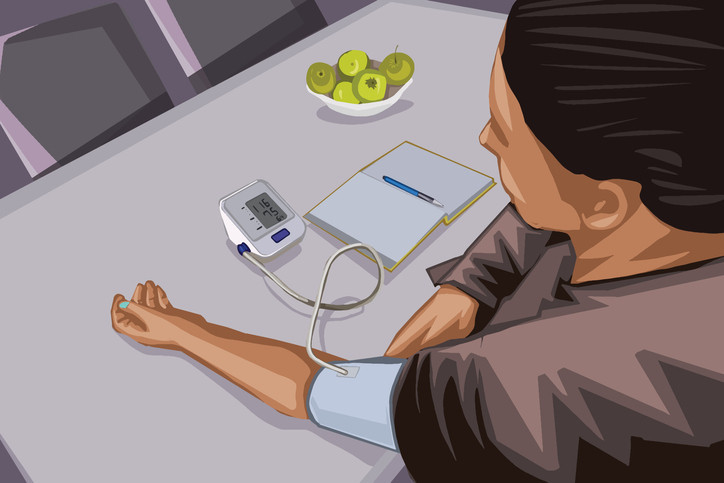
Your doctor may ask you to track your blood pressure at home to help decide if you need to start taking medication or to track your response to treatment. Here’s how to get accurate readings.
News coverage of a case of leprosy in central Florida may have made it seem like there is an increased threat the disease would spread. Misconceptions about this disease have persisted for a long time, but the facts are reassuring.