Harvard Health Blog
Read posts from experts at Harvard Health Publishing covering a variety of health topics and perspectives on medical news.
Every year, influenza sickens millions, hospitalizes hundreds of thousands, and kills tens of thousands. This is not your average common cold. While it is especially dangerous for anyone who already has a health problem (such as a weakened immune system, or heart or lung problems), it can be dangerous for healthy people, too.

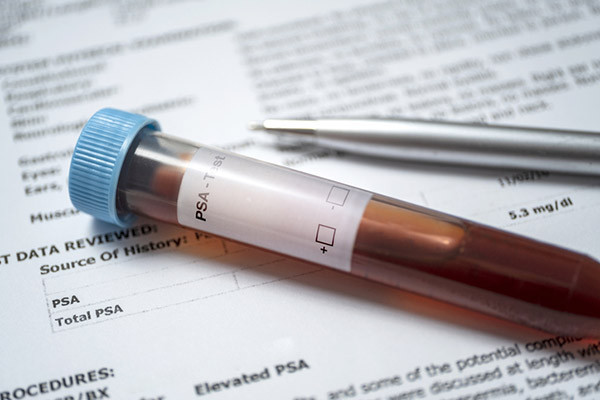
Men who are diagnosed with certain types of prostate cancer often choose active surveillance, which allows them to delay the need for aggressive treatment. The results of a long-term study affirm that this approach is a valid option for managing the disease.
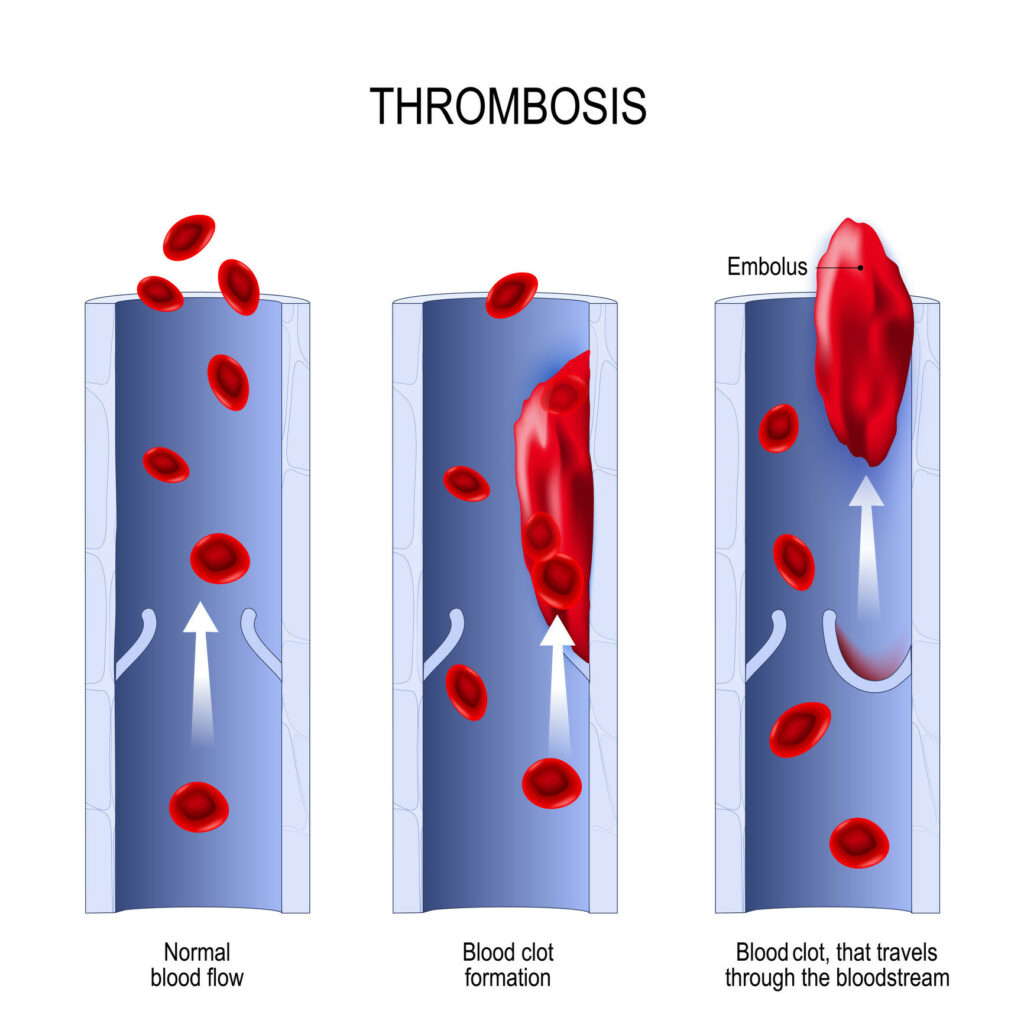
When it comes to under-the-radar health conditions, deep-vein thrombosis is at the top of the list. Most of my patients have never heard of this common problem. Yet deep-vein thrombosis puts more than one-quarter million Americans in the hospital each year, and complications from it are responsible for upwards of 100,000 deaths.
It’s easy to blame running when a person who runs regularly develops arthritis. But that blame may be misguided. Here’s a look at the latest research on the topic.
For people with obesity, weight-loss surgery can reverse or greatly improve many serious health issues, but also leaves people more likely to develop an alcohol use disorder. A new study finds that one type of surgery may increase the dangers of drinking much more than other weight-loss strategies.
Ovarian cancer, which claims about 13,000 lives each year, is hard to detect in early stages. Recent guidance from professional groups recommends removing fallopian tubes to help prevent ovarian cancer if women are undergoing gynecologic surgery and are finished with childbearing.
As the impacts of climate change on Earth threaten our well-being, the concept of planetary health acknowledges that the ecosystem and our health are inextricably intertwined. While individual efforts may seem small, here are five small steps that help make a difference when taken collectively.
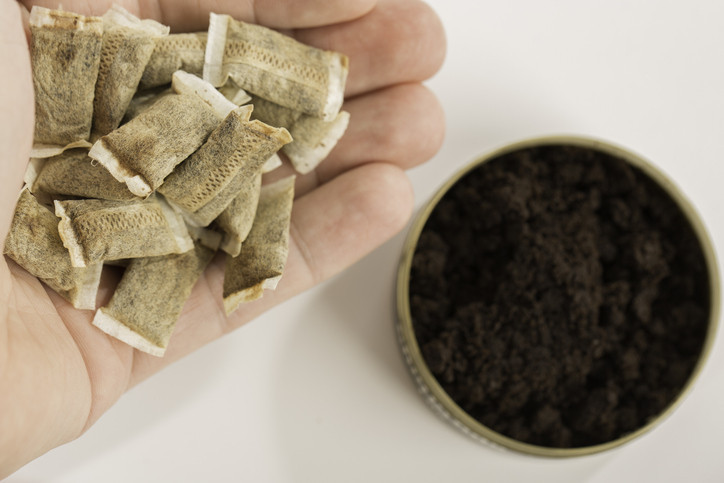
The FDA authorized a brand of smokeless tobacco to use language in its advertising claiming that using snuff reduces risk of lung cancer compared to smoking cigarettes. Technically this is true, but it’s not the health advantage the product’s maker would like consumers to think it is.
Miscarriage describes a pregnancy loss before 20 weeks. It happens in as many as one in three pregnancies, although the risk gradually decreases as pregnancy progresses. What causes miscarriage? How is it treated? And why is appropriate health care for miscarriage under scrutiny?
With ticks thriving in a wider geographic range, appearing earlier and sticking around later, it’s important to stay vigilant about protecting yourself against ticks that cause Lyme disease and other illnesses. Learn some steps you can take to avoid tick bites.
Celebrities and influencers claim that consuming collagen could have miraculous benefits for skin, hair, and nails. But what does the science say?
More physical activity and less time watching TV is best for the body. But how does television time affect risk for declines in memory and problem-solving ability or risk for developing dementia? Researchers have been digging into these questions.
The latest update to the Dietary Guidelines for Americans states that many people are not getting enough of four essential nutrients: calcium, potassium, dietary fiber, and vitamin D. But how much of these nutrients should you aim for and what are some good sources for them?
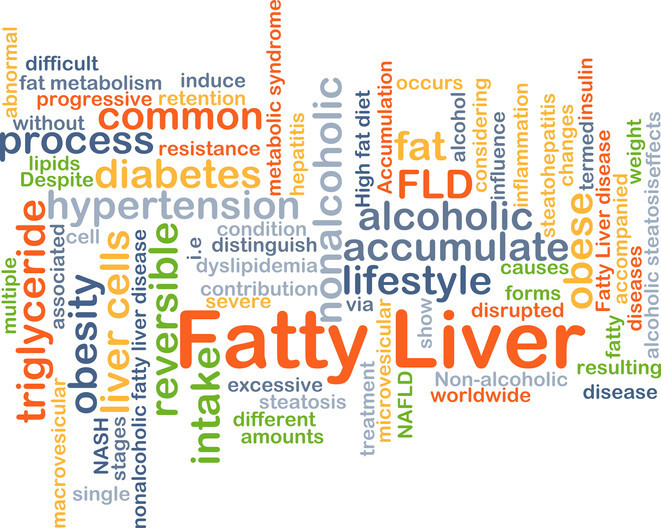
Fatty liver disease is a condition caused by irritation to the liver, and one specific type is triggered by metabolic risk factors. Following a healthy diet can prevent or possibly even reverse it.
Several habits can improve your heart health (and, as a side effect, may make you less vulnerable to infections like the flu or COVID-19). Focusing on a few of these is an excellent way to take care of your heart — and boost your overall health in the process.
In the last 10 years, an average of four drug recalls a day have occurred in the US. Drug recalls happen for a number of different reasons, and while they are common, most are not for dangerous or life-threatening issues.
Being able to maintain balance is crucial to performing everyday activities. As people get older, systems in the body that help maintain balance aren’t as responsive as when they were younger. Practicing these exercises designed to improve balance helps build steadiness and prevent falls.
After a drug is approved by the FDA, unexpected safety problems may be discovered. Depending on the level of concern, different safety warnings may be issued –– including a black box warning designed to call attention to serious or life-threatening side effects.
As people get older, the complex system that helps them maintain balance does not work as effectively, increasing the risk of a fall. A study found that specific exercises can improve balance in older adults.
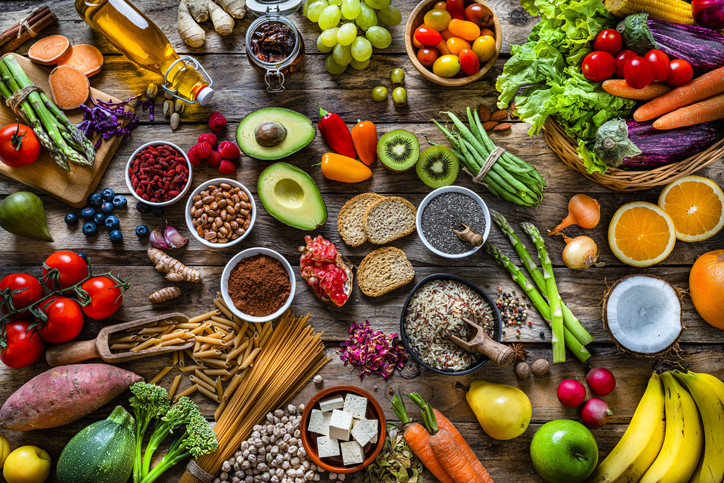
Healthier eating starts with food shopping, and supermarkets are full of choices that are both nutritious and less so. But trips to a grocery store don’t have to feel overwhelming or be budget-blowing; it just takes a little planning, strategy, and thinking ahead.
The increasing size and visibility of the transgender population has implications for public health. Hormone treatment given to transgender women lowers the overall risk of prostate cancer, but the risk of a trans woman developing the disease is not zero.
Food labels contain useful information about the nutritional value of the product, but a recent study found that consumers are more likely to be swayed by potentially misleading language on the front of a package than they are to pay attention to the information contained in the Nutrition Facts panel. Knowing how to interpret this information can help consumers make healthier choices.
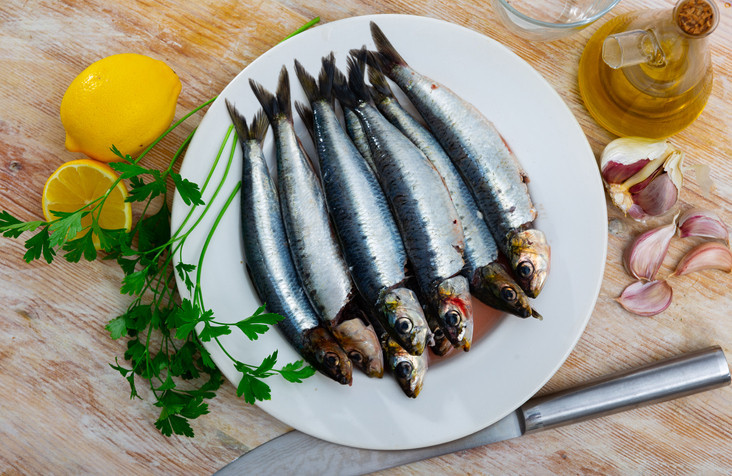
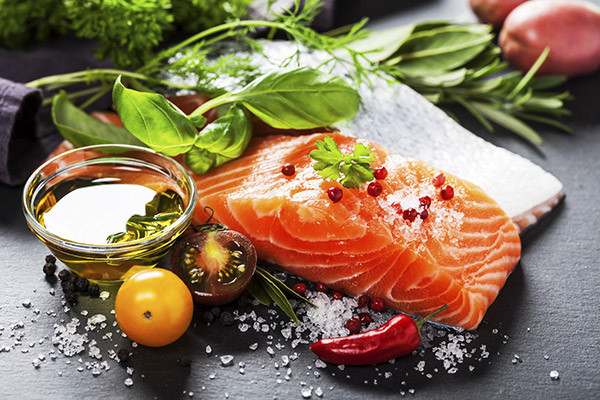
Cutting back on red meat and replacing it with poultry or seafood is a good choice because those are healthier sources of protein — and better for the environment. Choosing seafood that is lower on the food chain can amplify those benefits.