

Harvard Health Blog
Read posts from experts at Harvard Health Publishing covering a variety of health topics and perspectives on medical news.

What happens when the body rejects a protein found in many foods? Ask anyone with celiac disease. This increasingly common condition—it’s grown four-fold since the 1950s—causes a host of aggravating and potentially disabling symptoms such as gas, bloating, diarrhea, cramps, fatigue, weight loss, and more. But it’s also a trickster, causing subtle changes that may not be identified as stemming from celiac disease, like iron-deficiency anemia, low vitamin D, or a suspicious broken bone in an otherwise healthy person. People with celiac disease can’t tolerate gluten, a protein found in wheat, barley, and rye, even in small amounts. It once took an average of 10 years to diagnose celiac disease. Today it can happen faster, thanks to a simple blood test that detects anti-gluten antibodies.
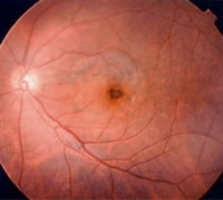
Many adult Americans take aspirin every day, often to prevent a heart attack. Headlines about a study published today linking aspirin use with age-related macular degeneration (AMD) may scare some aspirin users to stop, but that’s the wrong message. In the study, aspirin’s effect on vision was small—far smaller than the lifesaving benefit it offers people with heart. Macular degeneration occurs when something goes wrong with the macula, a small part of the eye’s light-sensing retina. The macula is responsible for sharp central vision. In the new study, published in JAMA, 1.4% of long-term daily aspirin users and 0.6% of non-users developed macular degeneration over a 20-year period. The American Academy of Ophthalmology recommends that people age 65 and older have comprehensive exams at least every other year to check for macular degeneration and other eye problems.

When migraine or another type of headache strikes, some people turn to … Twitter and Google. And their Tweets and searches are providing a glimpse into how—and when—migraine and headache affect lives. In a letter to the editor published in the January 2013 issue of Cephalalgia (the journal of the International Headache Society), researchers from Harvard-affiliated Boston Children’s Hospital analyzed Google searches conducted between January 2007 and July 2012. There were more searches for “migraine” on weekdays than on weekends or holidays. A similar pattern was seen in Twitter feeds. In the Google searches, the work week peak came on Tuesday and the low on Friday; on Twitter it was Monday and Friday. The most common time for migraine Tweets was between 6:00 am and 8:00 am, which the researchers say is a peak time for migraine attacks. Tweets could help researchers learn more about migraine triggers.
If you like numbers and statistics, especially those about health, two reports released this week should keep you occupied for days: the massive Global Burden of Disease study was published in The Lancet, and the American Heart Association released its annual “Heart and stroke statistics” report. The Global Burden of Disease project found that average life expectancy continues to rise in most countries. It also found that infection and other communicable causes of disease no longer dominate deaths and disability. Today, so-called non-communicable causes like traffic accidents, violence and war, heart disease, cancer, and other chronic conditions account for two-thirds of world deaths and the majority of years lost to disability and death. According to the American Heart Association’s annual report, the percentage of deaths due to heart attack, stroke, and other cardiovascular diseases has fallen by nearly one-third since 1999, but don’t expect that to continue. Increases in high blood pressure, high cholesterol, diabetes, overweight, and inactivity threaten to reverse these gains.
The holiday season gets all the hype at this time of year, but the flu season needs your attention as well. It has come early this year—the earliest since 2003, according to the Centers for Disease Control and Prevention (CDC)—and is expected to be severe. In the last month, new cases of flu in the U.S. have gone from a few hundred a week to more than a thousand a week. Forty-eight states and Puerto Rico have already seen lab-confirmed cases of the virus, and five children have died from it. Getting vaccinated and washing your hands often are your best bets against getting flu. The vaccine isn’t an anti-flu guarantee, but it can reduce your risk by up to 80%. Yet barely one-third of Americans have been vaccinated against the flu so far this year. Why aren’t more people getting a flu shot?

For many people, retirement is a key reward for decades of daily work—a time to relax, explore, and have fun unburdened by the daily grind. For others, though, retirement is a frustrating period marked by declining health and increasing limitations. For years, researchers have been trying to figure out whether the act of retiring is good for health, bad for it, or neutral. Researchers at the Harvard School of Public Health looked at rates of heart attack and stroke among men and women in the ongoing U.S. Health and Retirement Study. Those who had retired were 40% more likely to have had a heart attack or stroke than those who were still working. The increase was more pronounced during the first year after retirement, and leveled off after that. The results, reported in the journal Social Science & Medicine, are in line with earlier studies that have shown that retirement is associated with a decline in health. But others have shown that retirement is associated with improvements in health, while some have shown it has little effect on health.

Living through the physical and emotional toll of breast cancer is so traumatic that some women can’t bear the thought of doing it again. That’s why a growing number of women who have already been diagnosed with cancer in one breast are taking the drastic measure of having both breasts removed (a procedure called prophylactic mastectomy). Yet a University of Michigan study presented last week at the American Society of Clinical Oncology’s Quality Care Symposium showed that nearly three-quarters of women who had this procedure were actually at very low risk of developing cancer in the healthy breast. In other words, many women are unnecessarily exposing themselves to the potential risks of a double mastectomy—including pain, infection, and scarring. The new study suggests that more and better information about breast cancer recurrence—and the risks and benefits of prophylactic mastectomy—are needed as women consider this procedure.
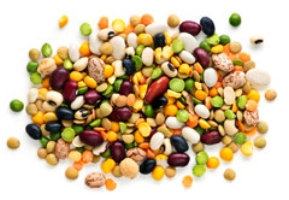
Beans, the butt of countless flatulence jokes, are often written off as food for poor people, or cheap substitutes for meat. Given what beans can do for health, they should be seen as food fit for royalty—or at least for anyone wanting to get healthy or stay that way. The beans described here are what botanists call legumes, and others call “pulses.” They include black beans, black-eyed peas, garbanzo beans (also called chickpeas), lentils, peanuts, soybeans, and others. Legumes are an excellent source of protein and fiber. They are low in fat. They are also nutrient dense, meaning they deliver plenty of vitamins, minerals, and other healthful nutrients relative to calories. An article in the current Archives of Internal Medicine showed that adding more beans to the diet can help people with diabetes lower their blood sugar. These findings are in line with a growing body of evidence on the health benefits of eating beans. They’ve been linked to reduced risk for heart disease, type 2 diabetes, and colon and other cancers, as well as improved weight control.
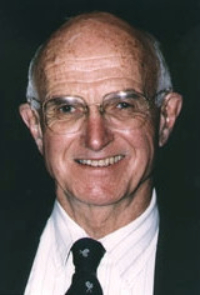
On Monday, Dr. Joseph E. Murray passed away at age 93. A long-time member of the Harvard Medical School faculty, Murray pioneered the field of organ transplantation. This great achievement, for which he was honored with the Nobel Prize in Medicine in 1990, has given the gift of life to hundreds of thousands of people destined to die young. But his success did not come easily. Not only did Murray attempt to do something others judged impossible, but kept trying in the face of sometimes withering criticism from peers. Murray’s team successfully performed the first organ transplant, a kidney donation from one young man to his twin brother. Over the next decade, Murray and his colleagues learned how to quiet the immune system to make it possible to transplant organs between unrelated people.

Thanks to an aging population and a lot of direct-to-consumer advertising, many American men of a certain age know to ask about the “little blue pill” or similar medications if they develop erectile difficulties. But is an erectile dysfunction (ED) drug like sildenafil (Viagra) or its competitors always the best place to start? That’s an open question, especially among men with low levels of testosterone.

With Black Friday upon us, the holiday season is now officially underway. Although the next month or so provides many opportunities to see family and friends, be generous, and spread good cheers, it can also be a difficult time. In a stressed-out heartbeat, the holiday season can morph into the hell-iday season.

The Thanksgiving holiday began, as its name implies, when the colonists gave thanks for surviving their first year in the New World and for a good harvest. Nearly 400 years later, we’re learning that the simple act of giving thanks is not just good for the community but may also be good for the brain and body. Gratitude helps people refocus on what they have instead of what they lack. By acknowledging the goodness in their lives, expressing gratitude often helps people recognize that the source of that goodness lies at least partially outside themselves. This can connect them to something larger—other people, nature, or a higher power. In the relatively new field of positive psychology research, gratitude is strongly and consistently linked to greater happiness. Although some people may be born with a gift for expressing gratitude, anyone can learn how to do it. And this mental state grows stronger with use and practice. Here are some ways to cultivate gratitude.

Done just right, Thanksgiving dinner can be good for the heart. The bird at the center of the feast was once in line to be our country’s mascot. Benjamin Franklin and other turkey aficionados thought of this fowl as wild, wary to the point of genius, and courageous. When cooked, it has another excellent quality—turkey meat is much easier on the heart than many other holiday main courses. Other mainstays of traditional Thanksgiving feasts, like cranberries, sweet potatoes, pumpkin, and pecans, are healthy on their own, but tend to lose their virtue by the company they keep (butter, brown sugar, whipped cream, marshmallows, and more). If you’re set on a traditional dinner, alternative recipes abound for healthier stuffing, vegetables, and desserts. You can also start your own traditions. After all, today’s Thanksgiving dinner bears little resemblance to the original feast.

It’s easy to think of doctors as paragons of the health and wellness they try to restore in their patients or help them maintain. Some are, and some definitely aren’t. One in 10 physicians develop problems with alcohol or drugs at some point during their careers. Those who admit they have an addiction to alcohol or drugs, as well as those who slip up and get reported, usually have to go through an intense substance abuse program before they can practice medicine again. Such physician health programs are pretty effective, helping around 80% of doctors recover from their problems. But these programs raise some ethical questions, according to Harvard Medical School’s J. Wesley Boyd and John R. Knight, who wrote a review of physician health programs in the Journal of Addiction Medicine. They should know, having spent a total of 20-plus years as associate directors physician health programs.

Do you have trouble sleeping? If you’re carrying extra pounds, especially around your belly, losing weight and some of that muffin top may help you get better ZZZs. So say researchers from Johns Hopkins University School of Medicine, who presented their findings at this year’s annual meeting of the American Heart Association. In a six-month trial that included 77 overweight volunteers, weight loss through diet plus exercise or diet alone improved sleep. A reduction in belly fat was the best predictor of improved sleep. Among people who are overweight, weight loss can reduce sleep apnea, a nighttime breathing problem that leads to frequent awakenings. Exercise has also been shown to improve sleep quality. Despite what thousands of websites want you to believe, there are no exercises or potions that “melt away” belly fat. Instead, the solution is old-fashioned exercise and a healthy diet.
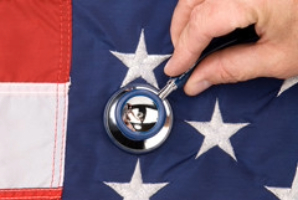
Last week, Americans reelected President Obama and returned a Democratic majority to the Senate. How that will affect the economy, foreign policy, and other aspects of government remain to be seen. One thing we can say for certain—it pulls the Affordable Care Act (ACA) out of limbo. The President’s re-election means we can expect to see the ACA implemented. Some popular elements of the law are already in place: allowing children to stay on their parent’s health coverage until age 26, and allowing for cost-free preventive services. Other more complicated aspects of the ACA remain to be realized. These include the establishment of state-run exchanges through which the millions of uninsured Americans covered by the ACE can buy health insurance; extension of eligibility for Medicaid to Americans who earn less than 133% of the poverty level; and innovations to improve the how health care is paid for and delivered while improving care and lowering costs.

Therapy dogs provide comfort and support. They must be social, gentle, and enjoy getting and giving physical affection. My therapy dog, Maps, has those qualities in spades. They also must be well behaved and respond to their handlers, neither of which applied to Map when I got him as a puppy. After many therapy dog classes and a lot of practice, we learned. After two years of training, Map became a certified therapy dog. He shines when he is in his blue training coat visiting a preschool. He loves to see the kids and to work with me. How does Map help kids? His presence somehow lets children open up to learning. He offers kids a way to feel more whole in the face of physical illness or disability. He can also help children heal from emotional pain. Like any great therapist, Map knows how to listen and how to help children help themselves.

If you take good care of yourself, you just might end up avoiding cardiovascular disease (CVD), the most common killer in this country. That’s the bottom line from a study published this week in JAMA. Researchers from Northwestern University’s Feinberg School of Medicine analyzed five long-term studies which documented cardiovascular risk factors for 120,000 individuals at ages 45, 55, 65, and 75. This time they cast a broader net and tallied up all cardiovascular events—nonfatal and fatal heart attack and stroke, angina, the need for angioplasty or bypass surgery, heart failure, and death due to cardiovascular disease. The percentages of people who experienced one of these “events” was huge, above 50% at all four ages. However, those with an optimal risk factor profile—non-smoker, no diabetes, blood pressure less than 120/80 mm Hg, and total cholesterol less than 180 mg/dL—had a much lower lifetime risk of cardiovascular disease. For example, men and women with optimal profiles at age 55 were 30% to almost 50% less likely to develop cardiovascular disease than those with two or more major risk factors. They also lived an average of 14 years longer free of cardiovascular disease.
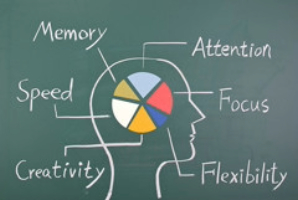
When it comes to keeping healthy and fit, living a mentally active life is as important as regular physical exercise. Just as your muscles grow stronger with use, mental exercise keeps your mental skills and memory in tone. Although any brain exercise is better than being a total mental couch potato, some kinds of “brain work” are more effective than others. The activities with the most impact are those that require you to work beyond what is easy and comfortable. Try these four basic brain-health strategies: Be a lifelong learner. Strain your brain with mentally challenging tasks. Get out of your comfort zone from time to time to challenge your mental skills. Be social. And don’t forget your body—physical activity that gets your pulse thumping helps the mind as well as the heart.

The FDA approved ivermectin for head lice in February 2012. That decision was based on two trials that included a total of 765 adults and children older than six months. Both were randomized, double-blind, placebo-controlled trials. That means people with head lice, or their caregivers, were given a coded 4-ounce tube to use. Neither the doctor nor the recipient knew if the tube contained ivermectin or placebo.
It’s Halloween—a time when we’re preoccupied with witches, ghouls, and other frightful creatures. But this year, no creature is generating as much buzz as the zombie. Zombies have inspired movies and TV shows, video games—even a bloody Pride and Prejudice takeoff. Could all this talk of the undead be foreshadowing a real-life zombie apocalypse? In fiction, yes. But not in real life. A Harvard ethnobotanist once found that a neurotoxin was the cause of several cases of zombie-like living deaths in Haiti. Oddly shaped proteins called prions have also been linked to brain diseases that vaguely resemble zombieism. In his novel The Zombie Autopsies, Dr. Steven Schlozman, a zombie enthusiast and professor of psychiatry at Harvard Medical School, imagined an infection scenario that turns normal human beings into flesh-craving monsters. Although a pandemic that creates zombie-like symptoms is theoretically possible, a real-life zombie apocalypse shouldn’t be high up on our list of worries.
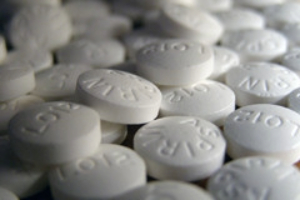
Back in 2009, Dr. Andrew T. Chan and his colleagues at Harvard-affiliated Massachusetts General Hospital found that people diagnosed with colorectal cancer who took aspirin on a regular basis tended to live longer than those who didn’t take aspirin. Aspirin worked only for some people, though, so Chan and a larger team of researchers set out to learn why. Their latest work, published in the New England Journal of Medicine, indicates that people with colorectal cancer who have a mutation in a gene called PIK3CA are most likely to benefit from aspirin. (About 15% to 20% of people with colorectal cancer have this gene mutation.) The mutation permits colon cancer cells to thrive. Aspirin blocks this action. If confirmed, this work could lead to routine genetic testing for people with this common cancer, and aspirin therapy for those with the PIK3CA mutation.

The term “stroke” conjures up a frightening bolt out of the blue. It certainly feels that way when it happens. But the sudden onset hides most strokes’ decades-long development stemming from slow but steady damage to blood vessels, the growth of artery-clogging plaque, or the erratic heart rhythm known as atrial fibrillation. This long gestation means it is often possible to avoid a stroke by fighting arterial corrosion. Today is World Stroke Day—a moment to pay close attention to stroke. Worldwide, this brain-damaging condition afflicts millions of people each year, and kills more than 6 million. In the United States, about 800,000 people have strokes each year, and about 140,000 die from them. There are two main messages of World Stroke Day: Stroke can be prevented. Stroke can be treated if detection and treatment happen quickly.

One treatment that can help relieve depression and other mental or emotional problems is cognitive behavioral therapy. It guides individuals to change what they think. A related approach, called metacognitive therapy, helps individuals change how they think. Some preliminary but promising research suggests that metacognitive therapy may be useful for people with attention deficit hyperactivity disorder (ADHD). One study of 88 adults with ADHD found that metacognitive therapy led to significant reduction in ADHD symptoms in 42% of participants, compared to 12% who received supportive therapy. Keep in mind that metacognitive therapy is not yet a proven therapy. More research is needed on its effectiveness in different settings. But that means it doesn’t yet stack up to its elder cousin, cognitive behavioral therapy. And metacognitive therapy can’t be considered as a first line treatment for ADHD.

