Recent Articles

Harvard Health Blog

Read posts from experts at Harvard Health Publishing covering a variety of health topics and perspectives on medical news.

 
Following surgery to remove a cancerous prostate gland, some men experience a biochemical recurrence, meaning that prostate-specific antigen (PSA) has become detectable in their blood. Since only the prostate releases PSA, removing the gland should drop this protein to undetectable levels in the body. Detecting PSA could signify that prostate cancer cells are lingering, and […]
I felt guilty. I looked like any other health-conscious customer in the grocery store, perusing Nutrition Facts labels. But I was really there to hunt down a dangerous ingredient on store shelves called artificial trans fat. It’s the worst type of fat in our food supply — so bad, in fact, that the FDA is essentially banning it in processed food starting in 2018.
During the holiday season, advertisers push numerous toys on consumers that do not necessarily have the positive impact on a child’s life that are promised. There are other options during this holiday season, gifts as simple as blank paper for drawing, that can stimulate children both mentally and physically.
Last month, the New England Journal of Medicine published a thoughtful essay by David Rosenthal and Abraham Verghese on the many changes in how doctors are trained and how they practice medicine. Efforts to improve efficiency and accuracy — including the introduction of electronic medical records — offer benefits, and pose some complicated problems.
The thought of a child or teenager taking his or her own life is startling to say the least. Yet, suicide is the third leading cause of death in adolescents ages 15 to 18 in the United States. Although suicide in early adolescence and elementary school-aged children is much rarer, it was still the 10th leading cause of death for U.S. children in 2014. Unfortunately, little is known about the characteristics and precipitating factors of suicide in children and early adolescents. Even less is known about the causes for the recent increase in suicide rates among black children. A recent study published in Pediatrics in October of 2016 sheds some light on this important issue.
Many of the flavorings that add a special touch to our favorite holiday foods confer the gift of brain health at the same time. Researchers have discovered that cloves, cinnamon, nutmeg, and other spices that we mix into baked goods and savory dishes contain nutrients that sharpen memory, reduce stress, or improve sleep, among other benefits.
Instilling good eating habits in children is not easy, especially when they are young. It’s important for parents to set rules and limits around meals and snacks, and just as important to stick to them, which is the difficult part. It can take a many tries before a child figures out that healthy foods like kale, strawberries, or brown rice taste great.
Are you, or is someone you know, postponing their colonoscopy? Maybe it’s the idea of that prep. At best, it requires being home and near a toilet for a day. Worse, it can make people feel awfully ill. Or maybe it’s the invasiveness of the test. At best, it’s unpleasant. At worst, there can be serious complications, including an instrument puncturing the bowel, bleeding, and organ damage. It’s also time-consuming, requiring time off work for you and whoever will be driving you home.
It’s that time of year again, when people gather with friends and family to celebrate the holiday season. The festivities often feature wine, champagne, and other alcoholic beverages. But before you raise your glass, make sure you’re aware of just how much alcohol you’re actually consuming — and how it may affect your heart.
“My wife and I were happy for 20 years. Then we met.”
Planning ahead of your child’s annual check-up can help you and the doctor get the most out of the visit. And be sure to take advantage of the resources available to you, such as email portals and the nurses and other staff in the doctor’s office. You might even consider making an appointment before the checkup. Doing so can be really helpful, especially when there is something complicated going on — like asthma acting up, school problems, worries about behavior, or a family crisis.
Recently I saw a young woman in my clinic for her annual exam. As usual, I asked her if she would like to be tested for sexually transmitted infections, and then we reviewed the “menu” of options: we could collect a swab of her cervix for chlamydia, gonorrhea, and trichomonas, and a PAP smear for human papillomavirus. We could collect blood for HIV, hepatitis C, syphilis, and herpes. We discussed the pros and cons and details of testing — not everyone wants every test. But she cheerfully consented to all of it, and when the results came back positive for chlamydia, she was shocked.
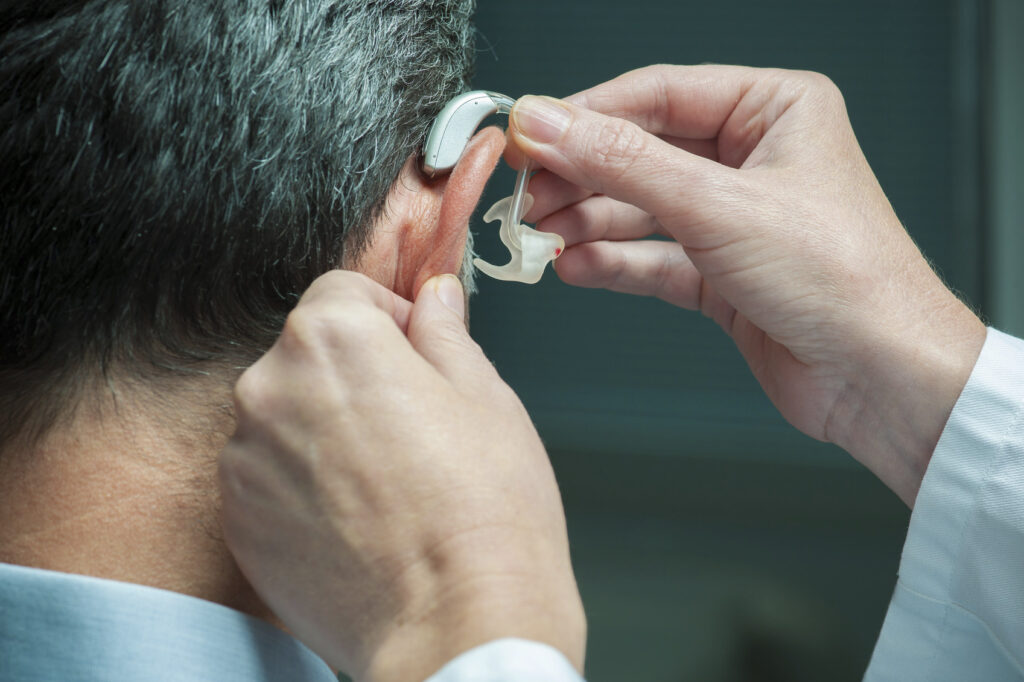
Chalk one up for exasperated women everywhere. Odds are the older men in their lives actually don’t hear them and need a hearing aid. Some estimates suggest that by age 65, about one-third of men need hearing aids. However, only half of this group wears them.
News last week about celecoxib shows how challenging it can be to understand the risks and benefits of newly developed drugs. This is particularly true when the findings of one study contradict those of past studies. And that’s exactly what has happened with celecoxib.
Since 2003, the Movember movement has been raising public awareness of testicular and prostate cancer. The common theme that links cancers of all types is that early detection tends to lead to better outcomes. Because cancer often has no symptoms in its early stages, screening for cancer has been an integral part of primary care routine visits.
November is National Family Caregivers Month. Being a caregiver is an act of love and responsibility, but it comes at a cost. There are currently 40 million caregivers in the United States. These individuals devote time to take care of a loved one, endure stress that carries health risks, and often bear a financial burden as well. It is hard work and it’s worth taking a moment to appreciate those who are caregivers. Ideally, doctors and the health care system will find ways to help caregivers integrate their responsibilities into the workflow of their lives in the interest of better outcomes for everyone.
Nothing ruins a holiday quicker than a visit to a hospital emergency department. An emergency department physician offers some advice to help you avoid injury and illness during Thanksgiving.
The wandering mind can get stuck on negative thoughts and start to “react” to a perceived threat that feels very real–and makes you feel anxious. Naming the negative feeling associated with that thought and then helping your mind wander in a more positive direction can help.
Two new studies add to the evidence that for many men with prostate cancer, if it is detected early and has not metastasized beyond the prostate gland, monitoring the cancer will lead to the same chance of survival after 10 as choosing surgery or radiation. Men treated with surgery or radiation often experience significant side effects. The rates of depression and anxiety were the same in men who opted for monitoring and those who opted for treatment.
It’s National Get Smart about Antibiotics week, an annual effort by the Centers for Disease Control and Prevention (CDC) to help make sure that we use antibiotics wisely.
Researchers compared the diagnostic accuracy of human doctors with various symptom-checking services available online, but online diagnostics won’t be replacing humans anytime soon. While the doctors weren’t perfect, they consistently did better than the computer programs. The study investigators suggest that eventually such programs might be able to help physicians to improve their diagnostic accuracy.
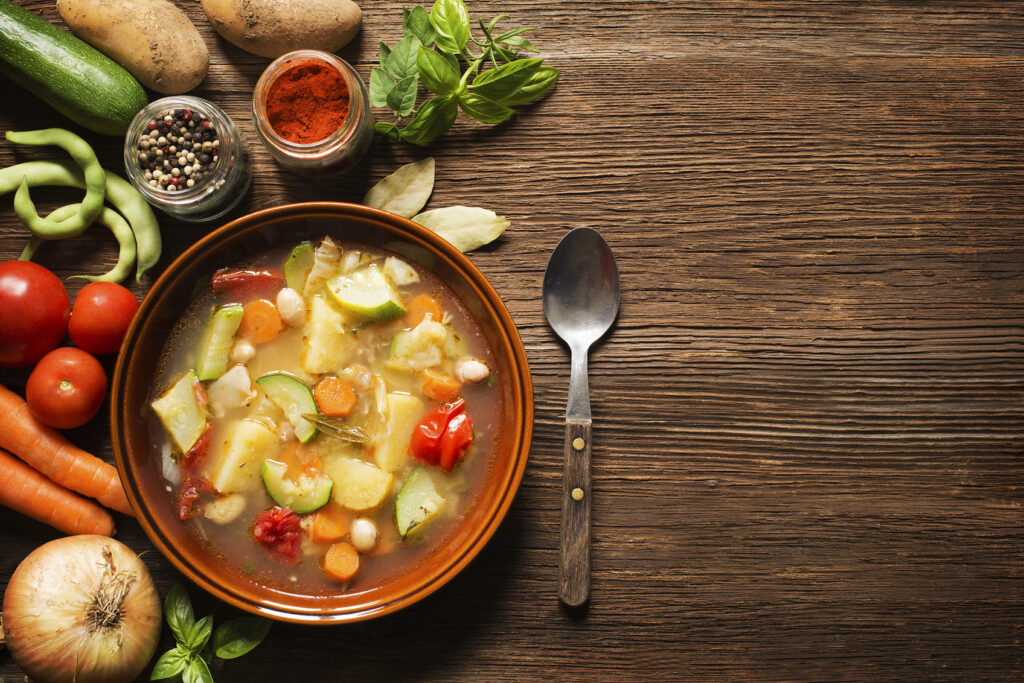
I come from a long line of skilled soup makers. In the late 1800s, my great-grandmother Enrichetta Cavagnolo, newly arrived from northern Italy, was a soup chef at Delmonico’s in New York City. Enrichetta’s daughter and granddaughters (my grandmother, mother, and aunts) were talented soup makers as well, to the delight of our well-fed family.
Are you taking care of someone who seems to be against you? This can be the experience of taking care of a family member with post-traumatic stress disorder — PTSD — and it can take a huge toll on everyone involved. At the same time, caring for a person with PTSD can be an act of love and courage.

Free Healthbeat Signup

Get the latest in health news delivered to your inbox!

Stay on top of latest health news from Harvard Medical School.

Plus, get a FREE copy of the Best Diets for Cognitive Fitness.

This site is protected by reCAPTCHA and the Google Privacy Policy and Terms of Service apply.