Recent Articles

Harvard Health Blog

Read posts from experts at Harvard Health Publishing covering a variety of health topics and perspectives on medical news.

 
Perhaps the best-known problem with fitness trackers is that people often retire them to a junk drawer after a few months, once their novelty wears off. But that’s not the only issue with these devices, which are typically worn around the wrist or clipped to clothing. Sure, they’ll count your steps, display your heart rate, and even estimate how many calories you’ve burned, although you’ll probably need to sync it with an app on your smartphone, tablet, or computer to see such data.

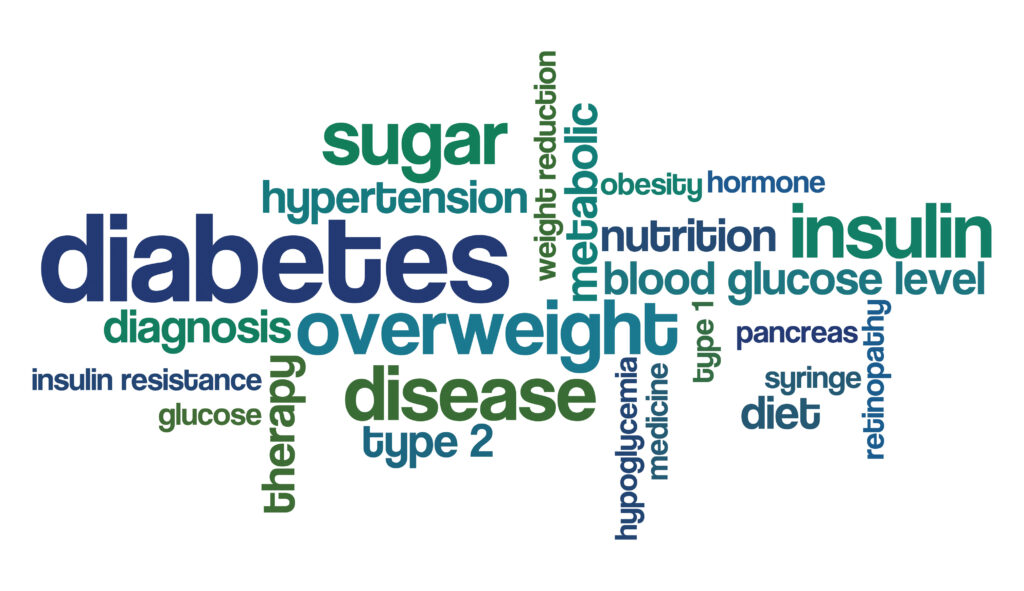
When I’m seeing a new patient, I am especially alert to certain pieces of their history. Do they have a strong family history of diabetes? Are they of Latino, Asian, Native-American, or African-American ethnicity? Did they have diabetes in pregnancy? Are they overweight or obese? Do they have polycystic ovarian syndrome (PCOS)?
The belief that teens should have the right to an abortion without parental knowledge or consent is supported by a group of medical associations, and is based primarily on concerns about safety and the medical consequences of requiring that parents be informed.
Although the winter season begins with a bit of holiday cheer, many people feel a little “off” as the cold weather drags on. I’ve already seen a few patients who are puzzled by how easily they become irritated. “Is there something wrong with me?” “Why am I so unhappy?” Often, their bodies are just responding to the darker and colder days.
In these turbulent times, it may be a struggle to maintain a glass half full view of life. A poll just released by the Associated Press on New Year’s Day indicated that most Americans came out of 2016 feeling pretty discouraged. Only 18% feel things for the country got better, 33% said things got worse, and 47% believe things were unchanged from 2015.
The 21st Century Cures Act, passed by Congress and signed into law by President Obama in December, provides or extends funding for a variety of health initiatives, including support for people with mental health and substance use issues. It builds on important innovations introduced in the Mental Health Parity and Addictions Equity Act and the Affordable Care Act.
New guidelines to prevent peanut allergies in children involve careful exposure to peanut products. Experts identify three levels of “allergy risk.” The safest approach to exposure depends on which category a baby is in. It is always important to discuss this with your doctor before introducing peanut products. Some babies may need allergy testing before trying this. No matter the strategy, parents need to remember that peanuts are a choking hazard for young children and many babies have trouble managing peanut butter, so it needs to be used carefully.
A patient of mine recently shared a story with me about her visit to an area emergency room a few years ago.* She had a painful medical condition. The emergency room staff not only did not treat her pain, but she recounted: “They treated me like I was trying to play them, like I was just trying to get pain meds out of them. They didn’t try to make any diagnosis or help me at all. They couldn’t get rid of me fast enough.”
A few years ago, when I was the attending emergency physician working in the emergency department, the senior medical resident asked permission to discharge an older man. The resident was convinced the patient was a malingerer, having been seen multiple times in the last week at the medical clinic with “shortness of breath.” The patient had multiple tests, scans, and more — all normal — and yet here he was again, in the emergency department complaining of continued difficulty breathing. “Wait,” I said. “There must be a reason that he keeps coming back. Let me take a look at him with you.”
Oh, who doesn’t hate colds. You’re miserable, achy, tired, congested, and coughing. You may need to miss work, or go to the doctor. But it seems that no one really feels sorry for the person with a cold because colds are so common. “It’s just a virus, it’ll get better on its own,” says your doctor. “There’s no cure.”
If you are ready to make a commitment to improve your fitness and health, joining a gym gives you a wide variety of options for equipment and types of workouts. This can help you sidestep workout boredom and help you meet recommended physical activity guidelines. But before you sign up, take time to ask questions to be sure the gym meets your needs and budget.
Simple steps and treatments, including the right moisturizer, can ease the discomfort of eczema for children during the winter months. As with any chronic health problem, it’s important to work with your doctor to create a plan to manage flare ups, as well as a strategy to prevent them from happening in the first place.
By now it’s evident that healthy lifestyle habits have clear benefits, and evidence suggests that keeping Alzheimer’s disease at bay may eventually be added to the list. Data are strongest for regular exercise, a Mediterranean diet, and sufficient sleep as important ways to reduce the risk of Alzheimer’s. Other lifestyle choices may help as well.
With the advances of knowledge and technology, the practice of medicine has become more complex. In addition to increasing complexity, there has also been a growing shift in patient care from paternalistic medicine to shared decision making. Paternalistic medicine is when the physician would make a diagnosis based on a patient’s history and test results, and then tell the patient what the plan of action will be. With shared decision making, the physician explains testing and treatment options, and then the patient makes an informed decision based on his or her preferences and health goals as well as physician recommendations.
Data from surveys of 200,000 people spanning two decades add support to the belief that eating a diet made up largely of plant-based foods is likely to lower a person’s risk of developing diabetes.
Winter is often a tough season for asthma sufferers, who generally more likely to become sick than those without asthma. It’s important for asthma patients to receive proper care when ill, and a recent study sheds new light on a common treatment that might not be the best course of action for most asthmatics.
After prostate cancer surgery, the patient’s prostate-specific antigen (PSA) is monitored by his doctor via a simple blood test. New research indicates that if the PSA increases following surgery, immediate radiation therapy can reduce the risk of cancer recurrence.
Vertigo isn’t just a catchy song by the band U2, but is also a common symptom that has multiple potential causes. Although most people think that vertigo has to involve a spinning sensation, vertigo is actually the sensation that one is moving or that one’s surroundings are moving in the absence of any actual movement. To understand vertigo, one must understand that our sense of balance comes from multiple different systems in the body.
Who hasn’t eaten something that did not agree with them? But when your stomach issues become more frequent and severe, you might have a bigger digestion problem called food intolerance. Food intolerances occur more often as you age since your digestion naturally becomes slower and your body produces fewer enzymes needed to break down food. “This allows more time for bacteria to ferment in the GI tract and lead to digestive distress,” says Evagelia Georgakilas, a registered dietitian and nutritionist with Harvard-affiliated Beth Israel Deaconess Medical Center.
Imagine that after years of painstaking research, scientists announced the development of a breakthrough treatment that costs pennies a pill, saves lives, and could reduce healthcare spending by nearly $700 billion in the coming years. And you wouldn’t even need a prescription to get it. Perhaps this all sounds too good to be true. But, according to a new study, we already have such a drug: it’s called aspirin.
My sister texted me recently about my nine-year-old niece. She’d been experiencing joint pain so saw her pediatrician for a check-up. They did some blood tests, which were all normal except one.
As the year draws to a close, many of us take on well-intentioned, and often ambitious New Year’s resolutions. But improved health and happiness can be obtained through smaller lifestyle changes that will benefit both adults and children.
The saying “if it seems too good to be true, it likely is” applies to so many things in life. As the director of the Clinical Pharmacogenomics Service at Boston Children’s Hospital, I spend a significant amount of time discussing what pharmacogenomics testing cannot tell us. I am sure you are wondering why I would take a negative approach instead of touting the miracles of pharmacogenomics testing, since after all, that is my job. Well, as with many things, it is complicated.
Have you ever found yourself listening to something really boring, then wafting off into your own mind, your hand scribbling random things on a piece of paper in front of you? Whether it’s a conference call or a tedious lecture, being all ears can be a challenge when your hands want to be a part of the moment.

Free Healthbeat Signup

Get the latest in health news delivered to your inbox!

Stay on top of latest health news from Harvard Medical School.

Plus, get a FREE copy of the Best Diets for Cognitive Fitness.

This site is protected by reCAPTCHA and the Google Privacy Policy and Terms of Service apply.