Recent Articles

Harvard Health Blog

Read posts from experts at Harvard Health Publishing covering a variety of health topics and perspectives on medical news.

 
Approximately 1% of the population has vitiligo, a skin condition in which areas of skin lose their color. While topical treatments and light therapy help some, research with a class of medications not previously used for this condition has shown promising results.
Readily available DNA testing unexpectedly changed some family trees. But people who grew up knowing –– or recently learned –– they were donor-conceived may have differing reasons for wanting to better understand their personal stories.
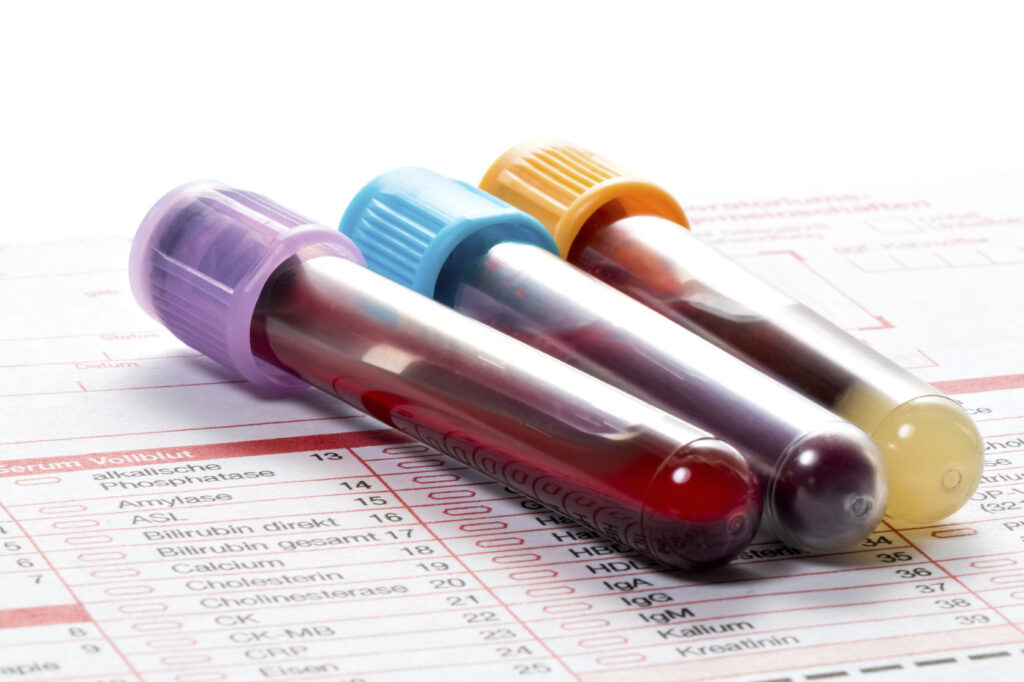
Picture this: you’re reading the results of your recent bloodwork, and you notice some numbers are teetering on the edge of the normal range. Should you be concerned? “It’s tricky, because in some tests, a borderline result makes no difference. In others, it might indicate an important change in health that we need to follow or act on,” says geriatrician Dr. Suzanne Salamon, assistant professor at Harvard Medical School.

Trying to make up for not getting enough sleep during the week by sleeping longer on weekends has been found to have negative effects such as weight gain, expending less energy, and increased calorie intake during evenings.
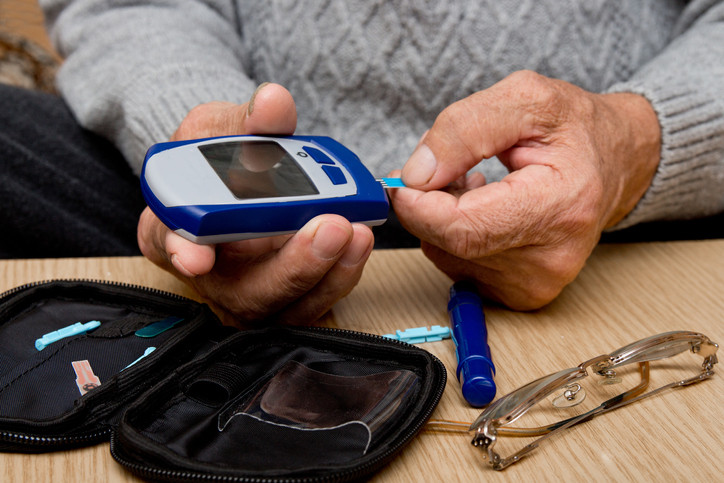
A recent 15-year follow-up to the Veterans Affairs Diabetes Trial found that short-term intensive blood sugar control did not lead to significant reduction of risk of cardiovascular events in the long term.
Treatments for advanced prostate cancer that suppress testosterone, a hormone (also called an androgen) that drives the malignant cells to grow and spread, are collectively referred to as androgen deprivation therapies, or ADT. These therapies can significantly extend lifespans in men who have the disease, but they also have a range of challenging side effects. […]
The FDA has approved a new medication for the treatment of chronic rhinosinusitis with nasal polyps, dupilumab, which is given by injection biweekly.
People who experience chronic migraine headaches may benefit from treatment with botulimun neurotoxin (Botox), though other treatments such as medication are usually tried first.
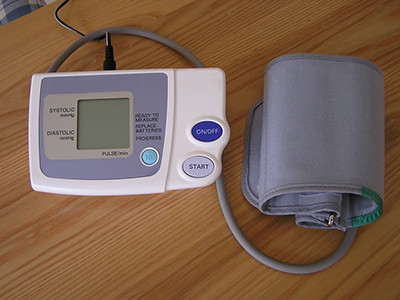
More and more experts now recommend that people with high blood pressure regularly check their blood pressure at home. Doing this gives people an idea where their blood pressure stands in between office visits and can motivate them to care more about their health. It also helps doctors make quick medication adjustments to keep blood pressure in the healthy zone. But home blood pressure monitors aren’t always as accurate as they should be. “Home blood pressure monitors may be inaccurate in 5% to 15% of patients, depending on the threshold for accuracy used,” according to Dr. Swapnil Hiremath, a kidney specialist at Ottawa Hospital in Canada.
The FDA has issued its most serious category of warning about three sleep medications due to reports of injuries related to their use. Aside from next-day drowsiness, these medications can cause sleep behaviors that may be dangerous.
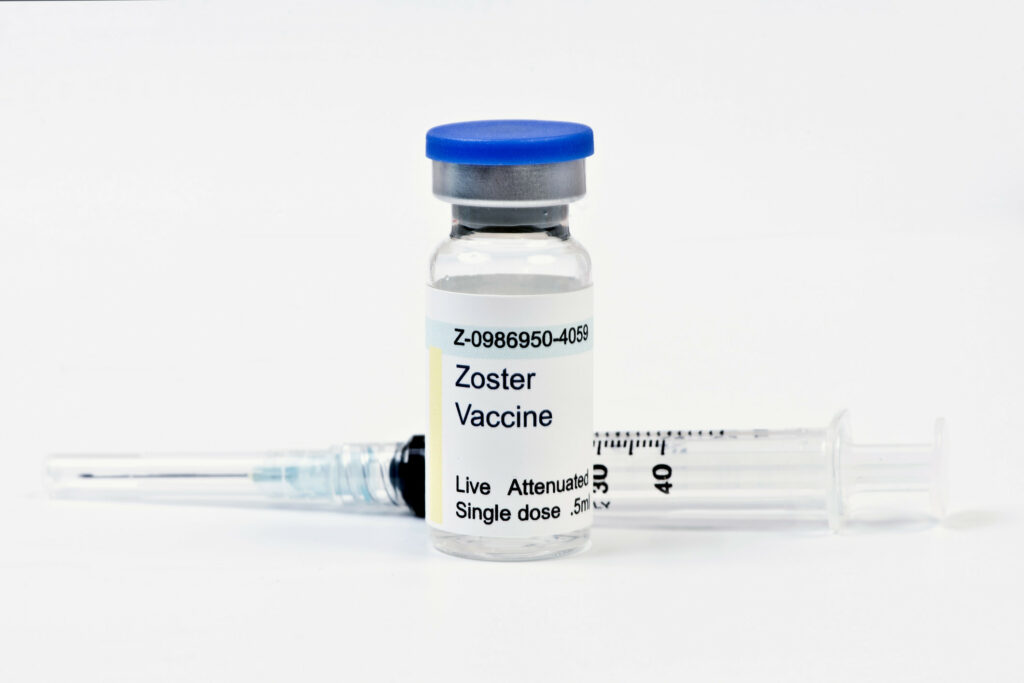
Getting the viral infection known as shingles doesn’t give everyone life-long immunity from it. Shingles can strike twice, or rarely, even a third time. A shingles vaccine can reduce the chances of a recurrence.
Clinical trials for drugs to stop or slow the progression of dementia have not been successful. A recent study attempted to determine how much influence, if any, genetic and lifestyle factors may have on the development of dementia.
Expert recommendations for treating post-traumatic stress disorder (PTSD) differ. New research supports trying certain types of psychotherapy first, followed by medication if needed, or starting off with a combination of both.
From 1990 to 2010, there was a significant decrease in diabetes-related complications, but since then the trend has reversed and complications are on the rise among young adults. This may be due to the changing profile of those who develop type 2 diabetes, or may be due to other factors.
Intestinal gas can be embarrassing, but is a normal part of digestion. Only rarely is excess gas cause for concern. Which foods you eat –– and how you digest them –– can make a difference.
Leg pain when walking that eases with rest may be a sign of peripheral artery disease, which raises risk for other cardiovascular problems. Lifestyle changes — keep walking! — and treatment help.
The FDA approved a new medication that may help some women experiencing low sexual desire, but there are restrictions on who can take it, and side effects to consider.
Nuts and seeds are rich in fiber, which is important for gut health and keeping you regular. And, contrary to a common concern, no evidence links eating nuts and seeds to a painful gut infection called diverticulitis.
Parents always worry when a teen starts driving –– even more so if a teen has ADHD. Research shows teens with ADHD have a higher risk for auto accidents. Here’s how to reduce that risk.
Avoid boredom and boost the benefits you gain from exercise with these simple tips to wake up your weight or treadmill workout.

Free Healthbeat Signup

Get the latest in health news delivered to your inbox!

Stay on top of latest health news from Harvard Medical School.

Plus, get a FREE copy of the Best Diets for Cognitive Fitness.

This site is protected by reCAPTCHA and the Google Privacy Policy and Terms of Service apply.