Harvard Health Blog
Read posts from experts at Harvard Health Publishing covering a variety of health topics and perspectives on medical news.
When reading to a young child, does it matter whether the book is a physical book or in some electronic form? One small study did detect a difference.
People who identify as bisexual represent a substantial part of the population, yet research focusing on their health lags. Which health problems are more likely to occur in people who are bisexual and what might help to counter them?
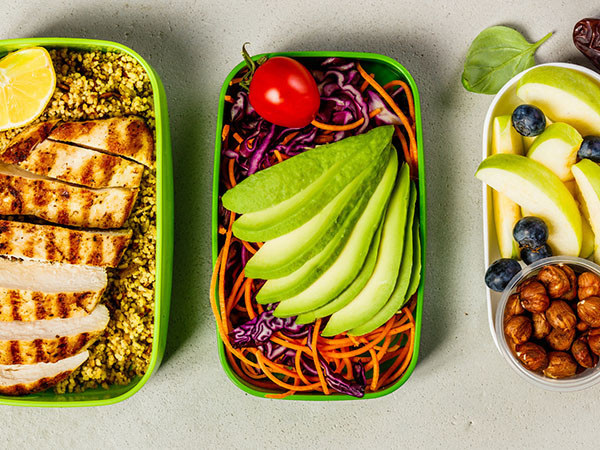
Healthy meals don’t just happen, but with a modest amount of planning ahead and strategic grocery shopping, you can have the makings of nutritious and tasty meals ready at hand.
If you think your child may have a disability or problem with development, it’s important to seek help as soon as possible. Talk to your doctor, and seek an evaluation, if needed.
Millions of Americans report having an anxiety disorder. Evidence shows engaging in any sort of physical activity is one of the best ways to ease symptoms of anxiety. Regular activity is best, but even a single bout can help.
Trauma from experiencing a natural disaster can have long-term effects on the mental and physical health of children. Supportive parents, teachers, and other adults can help children build resilience.
It’s a decision every parent faces regularly: whether or not to keep a sick child home from school.
For years, the conventional wisdom about dairy is that we should be eating less of it, and when we do have any it should be low-fat or fat-free. But more recent research suggests that some full-fat dairy in our diets could in fact be beneficial, though the type of dairy still matters.
Most children have an occasional headache, but some children get recurrent headaches. These often run in families and may be migraine or tension headaches or might stem from other causes.
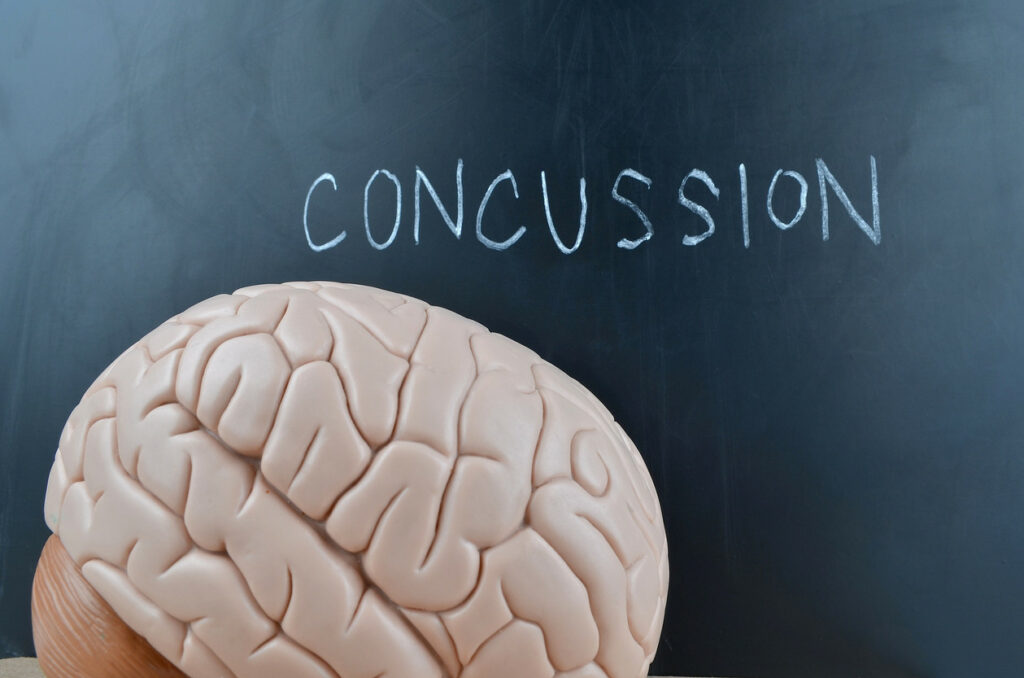
Can a blood test tell whether or not you have a concussion? It’s not quite that simple. There is a test that indicates the presence of substances released into the blood after a brain injury, but for now it is more useful for identifying situations when a CT scan is not necessary.
Plenty of research associates optimism with a reduced risk of certain diseases and conditions. Now, a study suggests that optimistic people are also more likely to live longer.
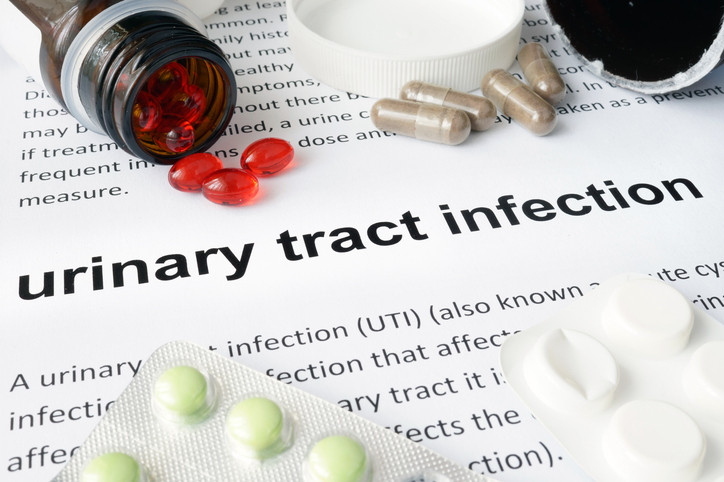
Rising resistance to antibiotics driven by overpresciption and overuse has led to a decline in the effectiveness of antibiotics in treating urinary tract infections. If your doctor wants to prescribe an antibiotic, be sure to ask if it’s necessary, and what alternatives there might be.
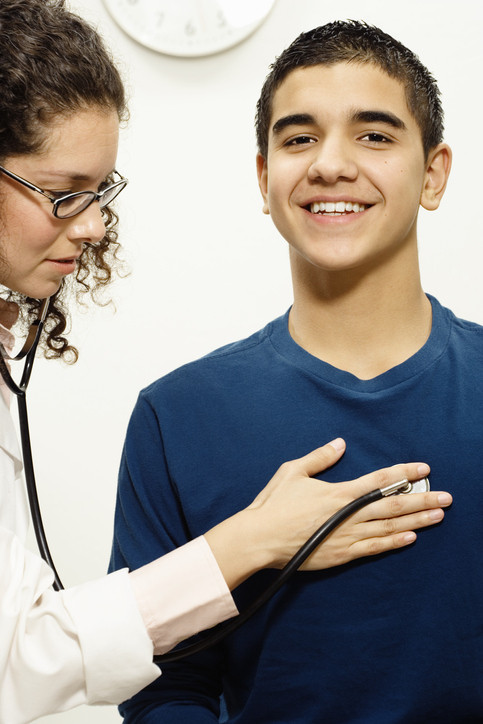
Wondering how a teen or young adult can smoothly smoothly transition from seeing a pediatrician to a medical practice that treats adults? Making plans and taking these steps will help.
For people who have had a heart attack or heart surgery, or been diagnosed with angina or a specific kind of heart failure, participating in a cardiac rehabilitation program has medically proven benefits to overall health and quality of life.
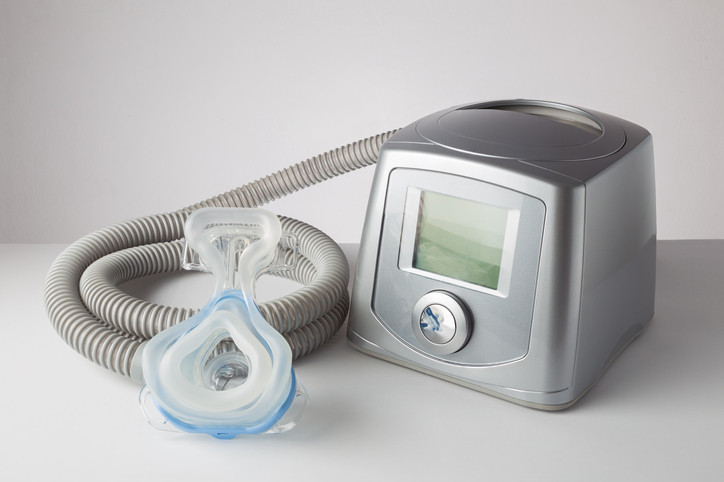
Using a CPAP machine is beneficial for people with obstructive sleep apnea, but if the machine isn’t kept clean it could lead to an illness. There are sanitizing systems available, but cleaning the parts by hand is just as effective.
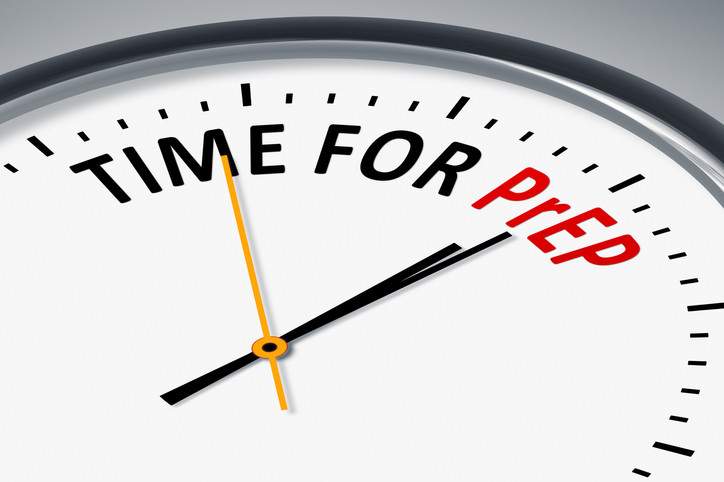
PrEP (pre-exposure prophylaxis) is a daily medication taken to prevent HIV infection. While multiple studies show PrEP is effective, relatively few of those who might benefit are taking it. Will a 10-year initiative to reduce rates of HIV and a new formulation of PrEP help?
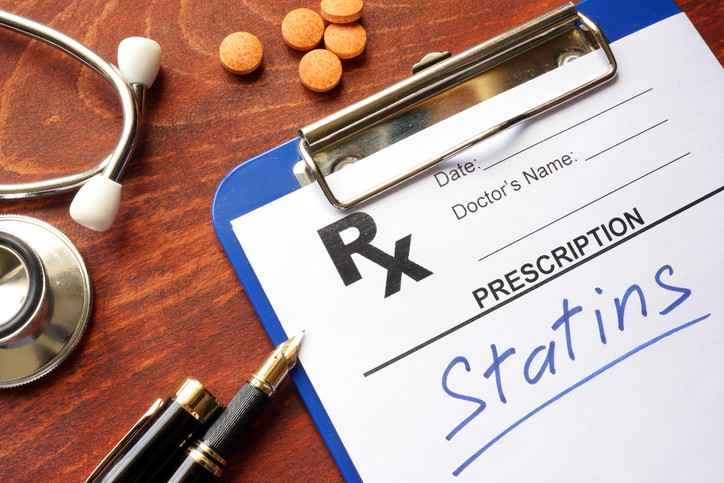
Statins are known to be effective in reducing risk of cardiovascular disease, but for older adults the guidelines are less clear. A study looking at an older population found that continuing to take statins did have a statistically significant benefit.
Mammograms look for signs of breast cancer. They can also provide information on whether a woman has high breast density, which slightly increases risk for developing breast cancer. Here’s what you need to know and do if you’re notified about this risk factor.
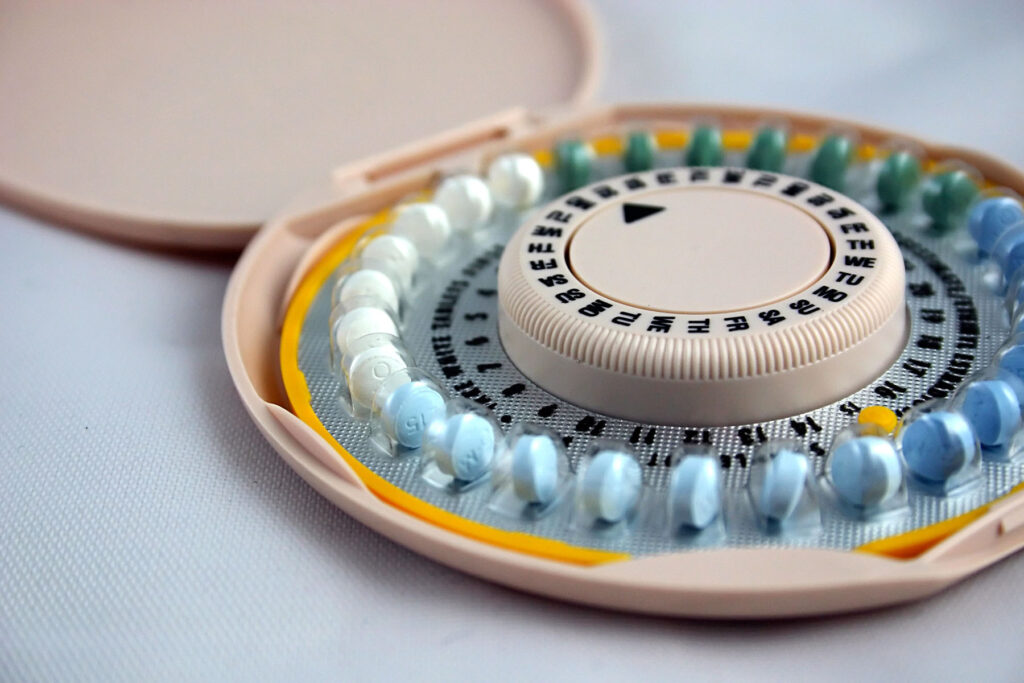
Over the years, more than a few patients in my women’s health practice have told me that their hormonal birth control — the pill, patch, ring, implant, injection, or IUD — made them feel depressed. And it’s not just my patients: several of my friends have felt the same way. And it’s not just me who has noticed this; decades of reports of mood changes associated with these hormone medications have spurred multiple research studies.

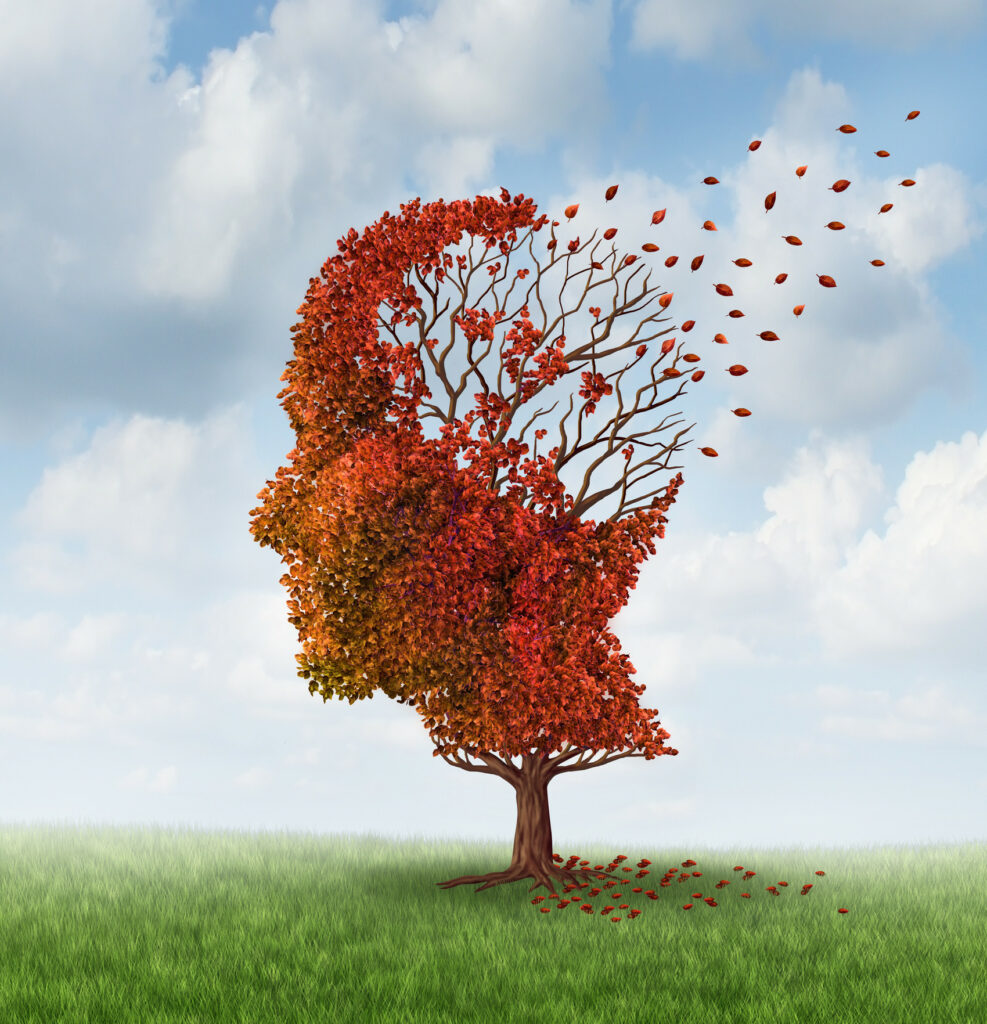
Wondering whether a blood test or brain scan can accurately diagnose Alzheimer’s disease? If memory loss is a problem for you or a loved one, consider these points before discussing potential next steps with a doctor.