Harvard Health Blog
Read posts from experts at Harvard Health Publishing covering a variety of health topics and perspectives on medical news.
The discovery that the urinary tract has a microbiome analogous to the one in the digestive tract has led to research showing that in women with urinary incontinence, their urinary microbiome differs from those in women who do not have urinary incontinence.
Millions of people with cardiovascular disease take drugs that help prevent blood clots, which can lodge in a vessel and choke off the blood supply to part of a leg, lung, or the brain. These potentially lifesaving medications include warfarin (Coumadin) and a class of drugs called non-vitamin K antagonist oral anticoagulants or NOACs. Examples include dabigatran (Pradaxa) and rivaroxaban (Xarelto).
Stress accounts for between 60% and 80% of visits to primary care doctors. Chronic stress has been linked to accelerated biological aging, and increased chronic inflammation and oxidative stress, two processes that cause cellular and genetic damage. Scientists refer to chronic, low-grade inflammation in the body as “inflammaging.” Inflammaging has been associated with conditions like diabetes, heart disease, stress, depression, and a weakened immune system.
Ski season is here, and I am reminded of the story of Natasha Richardson (Liam Neeson’s wife), who tragically died of a head injury while skiing without a helmet in 2007. Here in the emergency department, we see many patients with concern for head injuries. We factor what may have caused the injury, your age, what we find when we examine you, the timing of the incident, the medicines you take, as well as some other factors, when deciding whether to do a CT scan or admit you to the hospital.
For most of us, whether to screen for cancer is a no-brainer. Who wouldn’t want a simple test to prevent cancer or identify it at an earlier, more treatable stage? However, as with many things, the screening decision is more complex than it may appear. For example, the test may not be particularly “simple,” such as undergoing screening colonoscopy. For prostate cancer, even after 30-plus years of using a screening blood test called the prostate specific antigen, or PSA, it still isn’t clear how well it prevents prostate cancer deaths. This has led to conflicting and changing recommendations about whether to screen or not. Earlier this year, I commented on revised recommendations from the US Preventive Services Task Force (USPSTF) — a group that advises primary care physician such as myself about a wide range of topics including cancer screening.

It’s likely people are trying to spend more time outside this summer, whether to avoid indoor situations where COVID-19 may spread or just for enjoyment. But the threat from illnesses spread by ticks and mosquitoes hasn’t changed, so knowing basic information about insect repellent, and using it the right way, will help people protect themselves.
While many children and teens are prescribed psychotropic medicines to treat conditions like depression or attention deficit hyperactivity disorder (ADHD), a comprehensive look at safety data has been lacking. A recent review of multiple studies synthesizes evidence on the side effect profiles of many widely used medicines.
Have you ever had one of those days where you are so weary, you can’t seem to do anything except binge-watch Netflix?
A reasonable and well-intentioned effort to reduce and relieve pain can inadvertently lead to a potentially life-threatening addiction, but there are some surprisingly simple ways to avoid such scenarios.
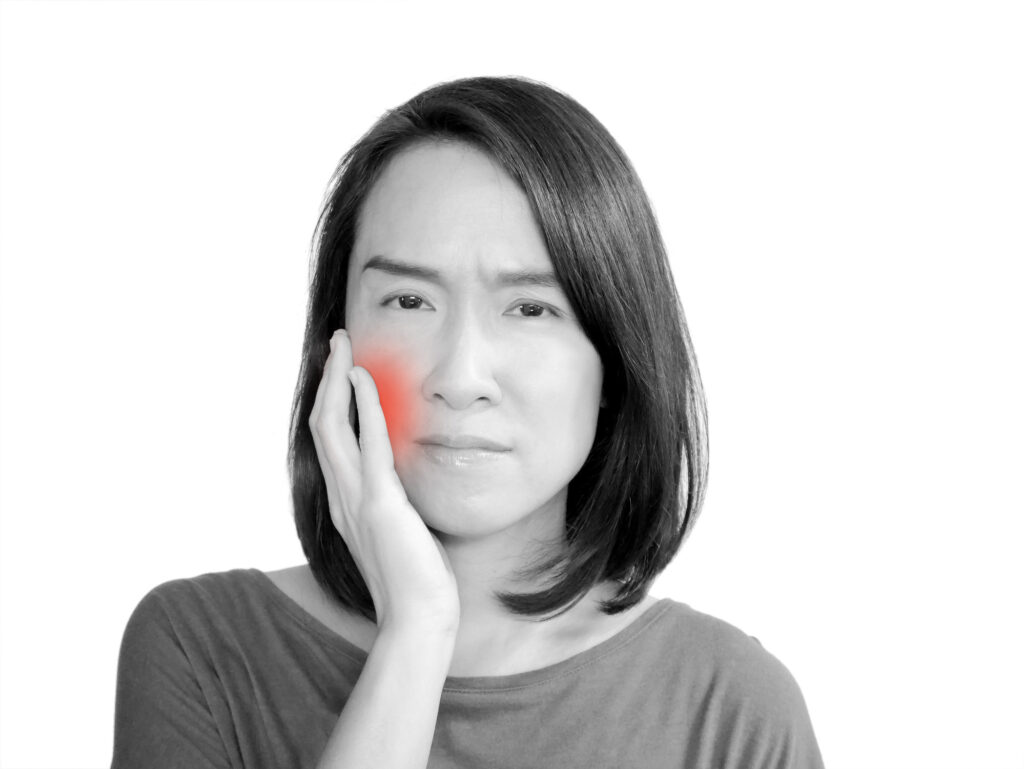
The temporomandibular joint (TMJ) is one of the most heavily utilized and underappreciated joints in the human body. Mechanically, the TMJ is what allows you to open and close your mouth, and to a lesser extent, extend and move your jaw from side to side. Functionally, it facilitates eating, talking, and facial expressions. Without a TMJ, McGruff the crime dog would not be able to “Take a bite out of crime,” and Jaws would have never become a savage predatory superstar of the deep blue sea. Just kidding. We all know from “Shark Week” that sharks do not actually have a TMJ, but you get the idea.
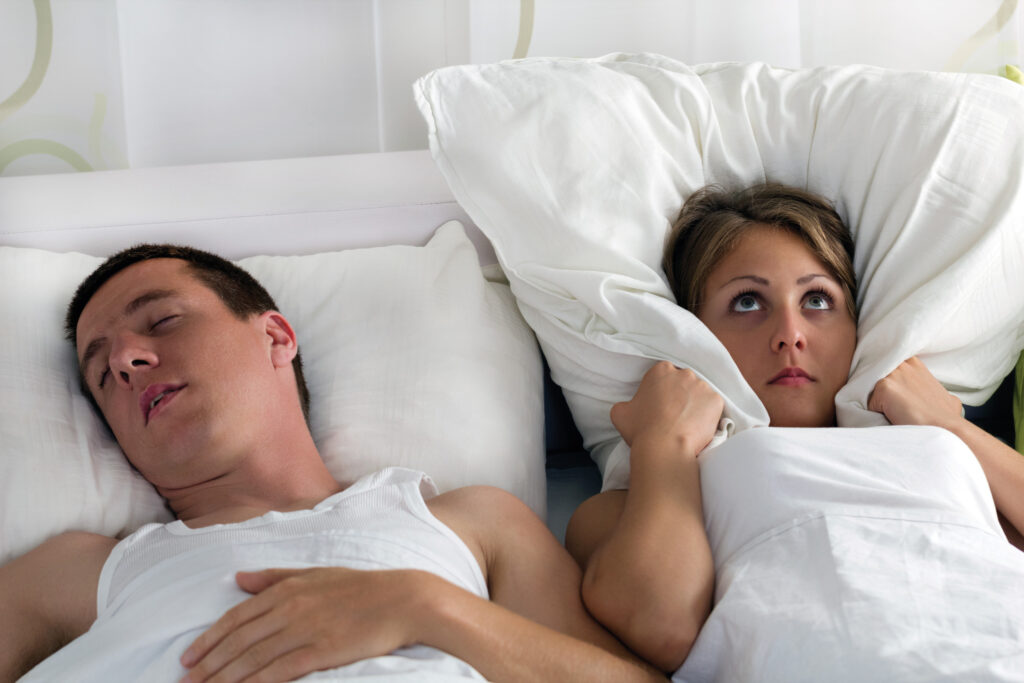
Sleep is a critically important component of human existence. On average, humans spend about 25% to 35% of their lives sleeping. Sleep allows both the body and brain to rest and recover from the stress of daily life. As such, trouble sleeping can cause a range of health problems, and if left untreated, dire consequences.
Hotter summer temperatures and prolonged periods of intense heat can lead to heat-related illness — and even deaths –– particularly in areas known as urban heat islands. People who are elderly and those with existing health problems are especially vulnerable. Know what to do to protect yourself and others.
Here’s a surprising fact: nearly half of people who have a heart attack don’t realize it at the time. These so-called silent heart attacks are only diagnosed after the event, when a recording of the heart’s electrical activity (an electrocardiogram or ECG) or another test reveals evidence of damage to the heart.
Summer activities are underway and some schools will be reopening come September. Does your child need a physical exam, or a form from the pediatrician? Here’s how to think through the options for fulfilling these requirements.
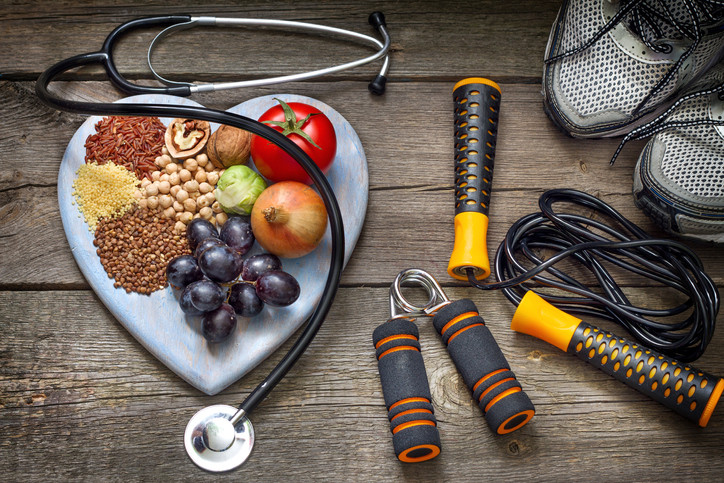
Many lifestyle factors can influence the development of atrial fibrillation, and doctors now better understand the importance of these factors in treating afib. Those who are at risk of developing afib can take action to improve their health, and in some cases they may be able to reduce their symptoms.
Studies show that a diet that eliminates or lowers consumption of low-FODMAP foods can reduce symptoms for many people with irritable bowel syndrome. But the process is time-consuming and can be confusing, so it is best undertaken under the supervision of a dietitian.
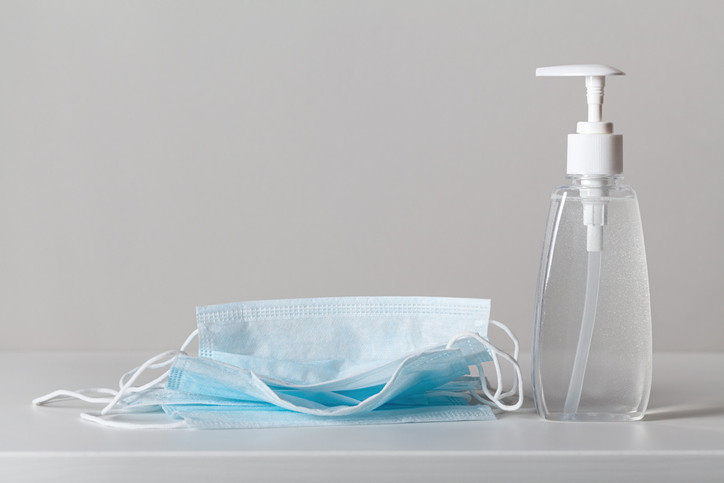
By now people understand the measures intended to prevent the spread of coronavirus, yet people with certain conditions may not be able to follow these guidelines. Here are some suggestions that may help.
Most people understand the risks of sun exposure, even if they do not regularly wear sunscreen, but getting younger people to pay attention to this concern can be difficult. A study chose a novel approach to this problem by appealing to teenagers’ vanity and focus on their appearance.
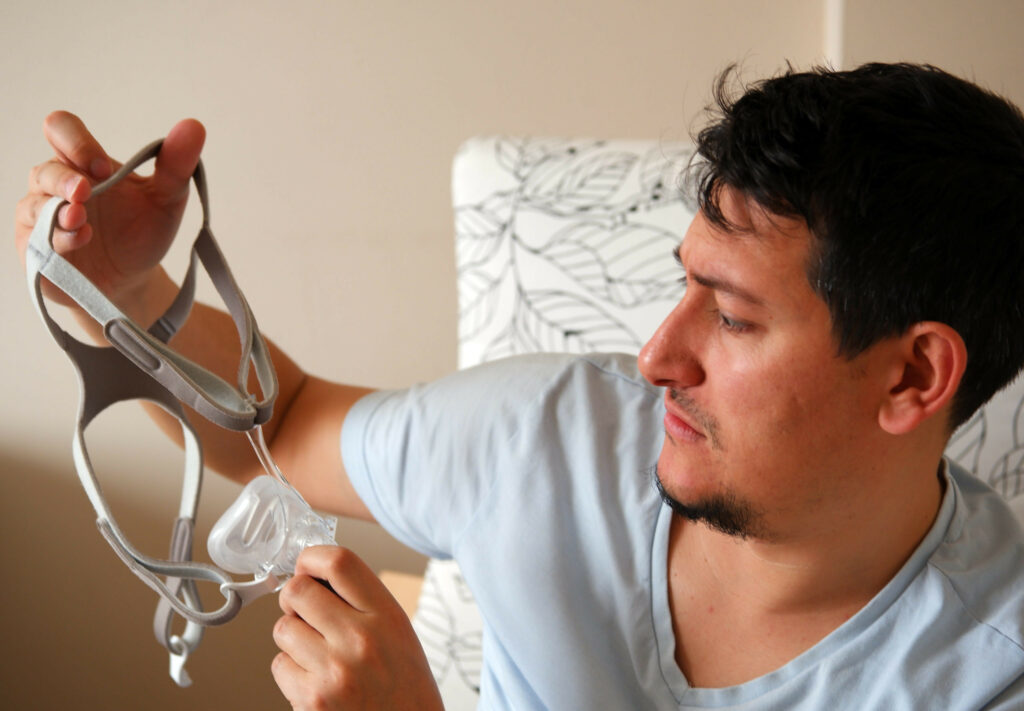
Many people with sleep apnea find that a CPAP machine helps them, but others struggle and have difficulty using a CPAP machine. There are many reasons this could be happening, and it’s important for people to work with their doctor to troubleshoot and try adjustments that can make using the machine easier and more effective.
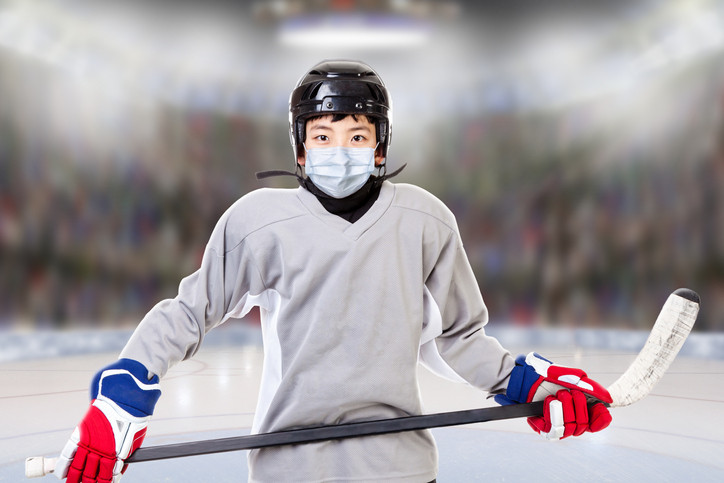
Playing youth sports is a great way for children to be active and learn important socialization skills, but the risks of COVID-19 mean parents with children who participate in sports must consider a number of factors when deciding whether to play.
It has been known for some time that air pollution causes heart and lung diseases. Now, results from three different studies on populations in different parts of the world show an association between higher levels of air pollution and greater risk of cognitive impairment, dementia, and Alzheimer’s disease.
Headphones and earbuds are nearly ubiquitous, but how often do people think about whether or not they are using them safely? Knowing about safe listening levels and safe length of listening time will help people protect themselves while using their listening devices.
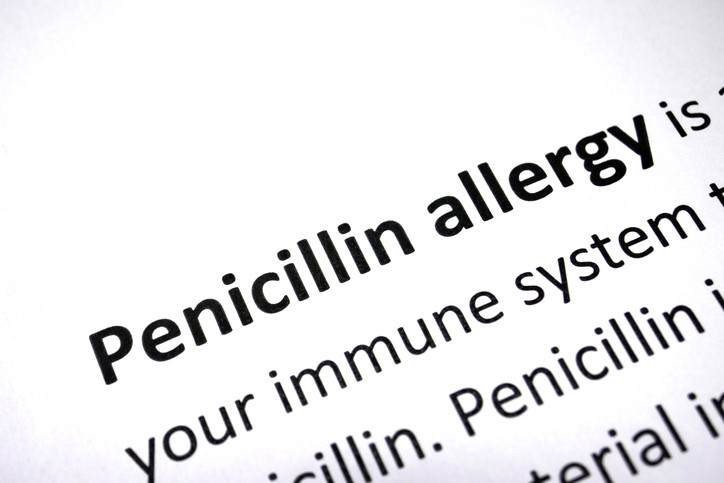
People who are allergic to penicillin are often given less effective medications that can make them more susceptible to infections, but many people who believe they are allergic to penicillin are not. New techniques are allowing medical providers to assess whether or not a person has a true penicillin allergy.
Along with historically high unemployment rates, the COVID-19 pandemic has caused a significant increase in food insecurity for millions of Americans, and this problem disproportionately affects lower-income people and racial and ethnic minorities. Temporary measures have helped a bit to ease the situation, and new proposals could do more.