Harvard Health Blog
Read posts from experts at Harvard Health Publishing covering a variety of health topics and perspectives on medical news.
Men have roughly twice the risk of developing severe disease and dying from COVID-19 than women. Scientists say this is in part because women mount stronger immune reactions to the disease’s microbial cause: the infamous coronavirus called SARS-CoV-2. Now research with prostate cancer patients points to another possible explanation, which is that the male sex […]
As the school year begins, plans for how learning will happen are in flux, and may change rapidly. With so much uncertainty, parents will want to limit confusion and create as much structure as they can for their children in this difficult situation.
As the coronavirus pandemic continues, more people are dealing with extended periods of isolation from family and friends. Increasing feelings of loneliness are a serious health issue that can increase the risk of death. If you or someone you know is in this situation, there are things you can do to mitigate the circumstances.
Between 5% and 10% of asthmatics have frequent, persistent symptoms despite treatment with multiple medications. Two clinical trials tested treatments containing multiple medications in people with asthma that had been difficult to treat, with encouraging results.
While the majority of deaths from COVID-19 have occurred in people 65 or older, younger people who smoke or vape are at much higher risk of becoming infected — twice as likely as those in the same age group who do not use any nicotine-containing substance.
If you are wondering whether it’s safe to use a public restroom with the specter of COVID-19 hanging over us, your skepticism is justified. But maybe a restroom is just as safe (or unsafe) as any other indoor space at the moment. And there are things you can do to make your restroom visit less risky.
Mind-body therapies can help you reframe awareness of pain, whether recent or chronic, and rethink your response to it. There are several different techniques, some of which involve guidance or working with a therapist; others require nothing but focus and a small amount of time.
Sleep apnea robs people of high-quality sleep, increases the risk of heart problems, and puts people at higher risk of accidents. While an overnight stay in a sleep lab used to be required to diagnose sleep apnea, now this testing often can be done at home.
Men with advanced prostate cancer are typically treated with drugs that cause testosterone levels to plummet. Testosterone is a hormone that fuels growing prostate tumors, so ideally this type of treatment, which is called androgen deprivation therapy (ADT), or hormonal therapy, will stall the disease in its tracks. For that to happen, ADT has to […]
Does what you eat affect whether or not you get acne? This has been debated for a long time. A survey of the dietary habits of more than 24,000 older adults suggests that people who eat a diet high in fat and sugar are more likely to develop adult acne.
A national organization that evaluates research and makes recommendations for women’s preventive health care is supporting screening all adolescent girls and women for anxiety disorders. While this idea has merit, there are also risks involved in screening that should be considered, and the benefits should be weighed against potential harms.
The COVID-19 pandemic shone a light on disparities in health care and socioeconomic status, and drove food insecurity to an all-time high, particularly in communities most affected by the virus. Research shows links between food insecurity and eating disorders like bulimia and anorexia.
It’s the end of the school year, the time of graduation speeches, of looking back at accomplishments and making plans for new ones. It’s a time when many parents think about their hopes and dreams for their children, whether they are graduating or just learning to walk.
According to the American Academy of Pediatrics (AAP), the best place for a baby to sleep is in his parents’ bedroom. He should sleep in his own crib or bassinet (or in a co-sleeper safely attached to the bed), but shouldn’t be in his own room until he is at least 6 months, better 12 months. This is because studies have shown that when babies are close by, it can help reduce the risk of Sudden Infant Death Syndrome, or SIDS.
The blood left over in the umbilical cord and placenta after a baby is born has special cells in it that can treat and even cure some serious diseases. The blood can be collected and stored — and that’s what many private cord blood banking companies encourage parents to do, in case their child (or someone else in the family) develops one of those diseases in the future.
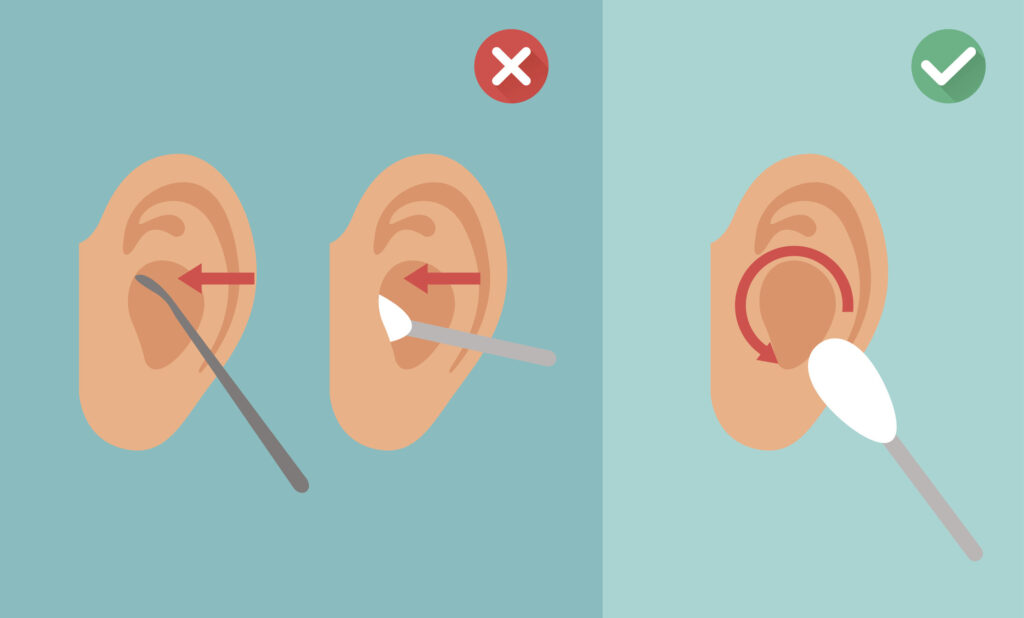
Can you think of something you do that’s nearly irresistible, widely popular, but a bad idea that’s based on a health myth? That’s right, I’m talking about inserting cotton-tipped swabs into your ears.
It starts as a runny nose and a slight cough — and quickly makes babies miserable.
Children need sleep, plain and simple. We all do. Without enough sleep, we get cranky and, with time, unhealthy. But for children, it’s especially important because the effects of sleep deprivation can lead to lifelong problems.
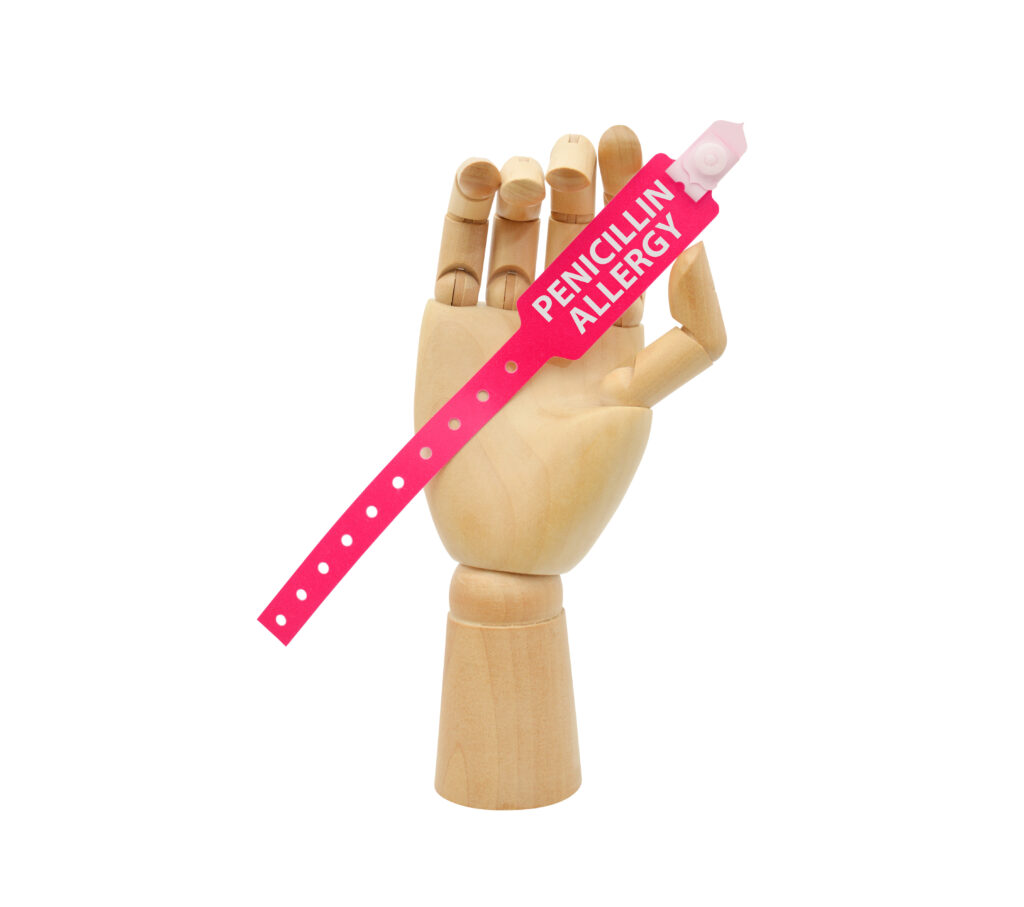
Allergies to penicillin are the most commonly reported medication allergy. This can be a real problem; if you are allergic to penicillin, it’s not just penicillin you can’t take. You can’t take amoxicillin and other antibiotics that are extremely similar, and it’s iffy whether or not you can take cephalosporins (such as cephalexin or cefdinir), a whole other really useful and commonly used class of antibiotics.
It’s a question that has challenged generations of patients and their doctors. The answer has changed over the years. When I was in medical school in the early 1980s, bedrest for a week or more was often recommended for severe back pain. This sometimes included hospital admission. Then, research demonstrated that prolonged bedrest was actually a bad idea. It was no better (and often worse) than taking it easy for a day or two followed by slowly increasing activity, including stretching and strengthening the back.
Everyone loves a chubby baby — there’s something about a roly-poly belly and thighs that is completely adorable. “Baby fat” is something people don’t worry about. Not only do we think of it as cute, we think of it as healthy — and temporary.
Most parents, at some time or another, wonder whether their child is doing everything they are supposed to do. Are they ahead of other children? Are they behind? Is their development normal?
How long do hot flashes last? It used to be said that menopause-related hot flashes fade away after six to 24 months. But for many women, hot flashes and night sweats often last a lot longer—by some estimates seven to 11 years.