Recent Articles

Harvard Health Blog

Read posts from experts at Harvard Health Publishing covering a variety of health topics and perspectives on medical news.

 
All parents want their children to be happy and able to successfully navigate life’s challenges. Five core skills form a great foundation and the early childhood window is particularly important for developing them. Parents can help their children learn and strengthen these skills in the course of everyday activities.
According to a new study, many people who have survived cancer treatment experience poor sleep long after treatment has ended. These people also reported emotional distress, financial hardship, and concern that their cancer might return. Many sleep disorders can be treated successfully, but an accurate diagnosis is essential to choosing the correct treatment.
Do you frequently find yourself in situations where you resort to yelling? If you feel like doing that doesn’t help and doesn’t make the situation better, that is a good first step. It helps to understand why people yell, but beyond that it’s up to you to take control and employ strategies to regulate yourself in tense situations.
When hospitals fill with COVID-19 patients, elective surgeries need to be postponed. If your elective surgery is temporarily derailed, what steps can you take to help yourself cope and be prepared for when the surgery is rescheduled?
In all aspects of our lives, we rely on the knowledge and advice of experts. So why are hundreds of thousands of people in the US rejecting advice on COVID-19 from well-respected health authorities, and embracing advice from those with dubious expertise –– and unproven and potentially dangerous remedies?
Stuttering in children is fairly common: as many as 10% of children stutter between the ages of 2 and 6. Although the majority of them stop, it can be distressing for both the children and their parents. Here’s how to help your child manage stuttering and when to talk to your pediatrician or a speech-language specialist.
Some people being treated for cancer experience problems with memory and thinking, but most of the evidence for these effects comes from women undergoing treatment for breast cancer. A recent study looked at whether men being treated for prostate cancer experienced similar effects.
Metabolism is combination of all the chemical processes that allow an organism to sustain life. Multiple factors like age, sex, body mass, physical activity all have an effect on metabolism, but a new study revealed surprising information about the timing of age-related changes in metabolism over the course of the lifespan.
There’s always a lot of violence in the world — and many of our children watch it.
Researchers studying weight gain during the pandemic looked at health records for millions of people from both before it and during the first year of it. Unsurprisingly, a significant percentage of people gained weight, but less expected is that nearly as many people lost weight during the same time period.
When children are learning about their emotions and how to manage them, there can be spillovers at school and at home. Parents can help their child or teen navigate big emotions by talking about them, modeling calm behavior, and offering coping strategies like grounding and anchoring.
In the US, nearly a third of babies born arrive by cesarean delivery, and once a person has had a cesarean birth, the odds increase that any subsequent babies will be delivered the same way. Why is trying for a vaginal birth after cesarean (VBAC) helpful and how has a calculator intended to predict the likelihood of successful outcomes changed to help discourage health disparities?
Addiction can affect anyone, but social determinants of health — the factors that influence a person’s circumstances in life — can have a negative impact on a person’s efforts to overcome addiction. Poverty, employment status, education level, and systemic racism can make it harder for people to reach and maintain recovery.
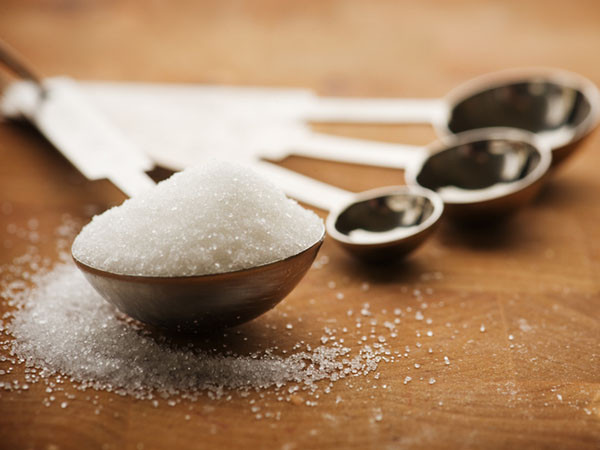
As more Americans are considered obese, including children, a study examined what effect a voluntary reduction in the sugar content of foods would have on rates of obesity, diabetes, heart disease, and health care costs. But in the absence of such a change, there are ways you can reduce your sugar intake without having to give up sweet treats entirely.

In recent years alcohol use by older adults has been trending upward, particularly among women. Drinking too much alcohol can have negative consequences on physical and mental health, and age-related changes in the body can place older adults who drink at additional risk.
Worldwide, over one million men are diagnosed with prostate cancer every year, and half will be given androgen deprivation therapy at some point. Whether certain types of this therapy are safer for the heart than others is an important question that is being studied, but the results from the first such trial were inconclusive and disappointing.
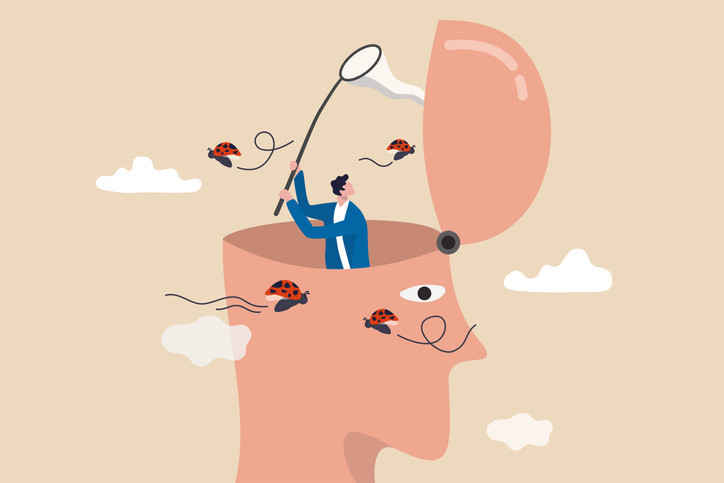
Attention control is an essential for time management and productivity, but to stay focused on a task, you need to be able to keep distractions from derailing your progress. Mindfulness meditation can calm a wandering mind, and can be used to train your brain to increase attention, focus, and concentration.
Stress can affect sleep, mood, and appetite, and the long-term effects of chronic stress have been linked to health issues like cardiovascular disease, obesity, and Alzheimer’s disease. A wearable device claims that it can reduce stress and build the wearer’s resistance to stressful situations — but how does it work, and can any of its claims be proven?
We’ve all had times when we have eaten more than our share of some unhealthy food. We know it’s bad for us, but resisting feels impossible. The science of food cravings is complex, but often these urges happen not because we are hungry but because of some other emotion that triggers the brain’s appetite signals. It’s possible to change these patterns, but it’s a challenge.
Eating a broad variety of fruits and vegetables is a good way to get a sufficient intake of flavonoids, chemicals that contribute to many aspects of health. Now, a study suggests that flavonoid-rich foods may also play a role in protecting memory and thinking as people get older.
The number of people worldwide with Alzheimer’s disease is predicted to climb drastically in the coming decades. Is there anything people can do to protect their cognitive health? New evidence from two studies shows that cognitive and physical activities can make a real difference in delaying the onset of cognitive decline.
Even with insurance, the cost of a medical visit or procedure can be a mystery. Pricing varies widely depending on who your insurer is, which health plan you have, and exactly what that covers. Will new rules attempting to bring some transparency to the pricing structures of hospitals and other healthcare facilities help?
Abundant research shows that healthy lifestyle factors protect people against serious health problems like diabetes, high blood pressure, heart disease, stroke, cancer, and more. Even small steps toward a healthier lifestyle can make a big difference in our lives––here’s practical advice for making healthy changes stick.
Confused about when to get your next Pap test? Anxious because your doctor said you don’t need another Pap for five years? Well, you are not alone.

Free Healthbeat Signup

Get the latest in health news delivered to your inbox!

Stay on top of latest health news from Harvard Medical School.

Plus, get a FREE copy of the Best Diets for Cognitive Fitness.

This site is protected by reCAPTCHA and the Google Privacy Policy and Terms of Service apply.