Recent Articles

Harvard Health Blog

Read posts from experts at Harvard Health Publishing covering a variety of health topics and perspectives on medical news.

 
At this time of year, with parties and food gifts it’s extremely easy to give in to temptation and overindulge. If you have been trying to make healthier eating choices (or want to start), here are some suggestions for how to get through the holiday season and still enjoy yourself.
Breast cancer is the most commonly diagnosed cancer in women and treatment strategies vary by subtype, stage, and more. A new targeted therapy may help some women with early-stage breast cancer linked to BRCA gene mutations.
The term neurodiversity conveys the idea that there is no single right way of thinking, learning, or behaving, and is often used in the context of autism spectrum disorder. A growing self-advocacy movement aims to increase acceptance and inclusion of all people while embracing neurological differences.
If you are gathering with family or friends during this holiday season there is still a lot of uncertainty around how to help keep everyone as safe as possible from COVID-19 illnesses and hospitalizations, particularly when many people will be traveling. Harvard Health Publishing faculty contributors share their own holiday plans and offer advice for safely enjoying the holidays this year.
If you are pregnant or are thinking about becoming pregnant, you may have questions about getting a COVID-19 vaccine. Get informed by consulting trusted health sources, and talking with your medical providers.
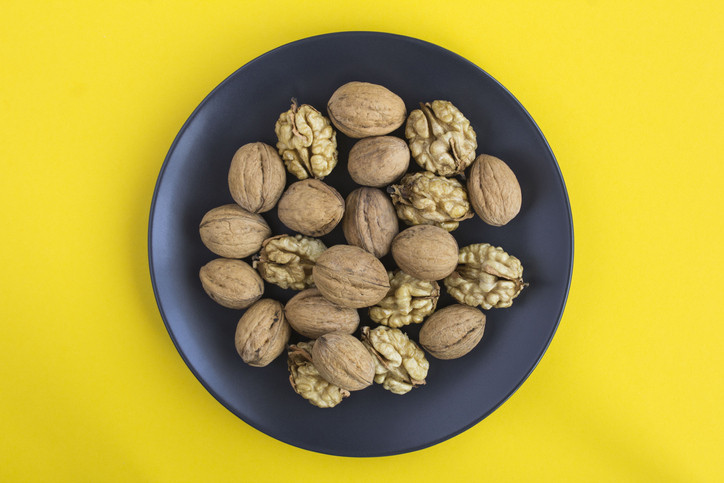
Research has found that people who eat nuts regularly are less likely to have heart disease. While all varieties of nuts are full of important nutrients, a two-year randomized trial shows a daily dose of walnuts lowered levels of harmful blood lipids that affect cardiovascular health –– and without adding extra pounds.
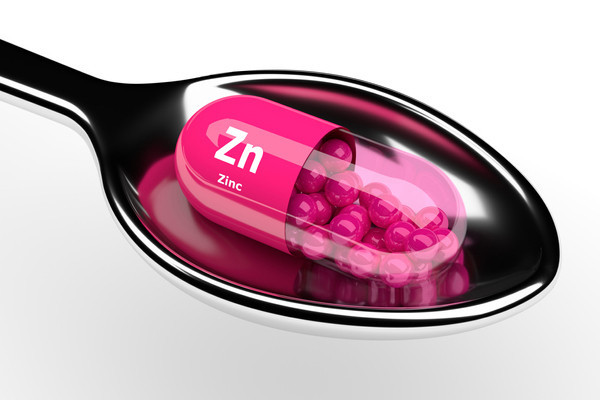
As winter approaches, it’s time to contend with rising rates of cold and flu. An analysis of studies suggests that over-the-counter zinc supplements may be one way to make cold and flu season a bit easier. But how strong is the evidence and what else could help?
In the United States, screening tests for prostate cancer are mostly done as biopsies through the rectum, but this procedure comes with a risk of infection. Technical advances are making it possible for doctors to perform a different kind of biopsy procedure in their offices, and a recent study compared the two types.
In science, true breakthroughs are rare. Some are the result of fortunate accidents, while others come from scientists with the will to pursue a dream despite challenges and obstacles. And when such breakthroughs do happen –– think of penicillin or COVID vaccines –– the whole world benefits from them.
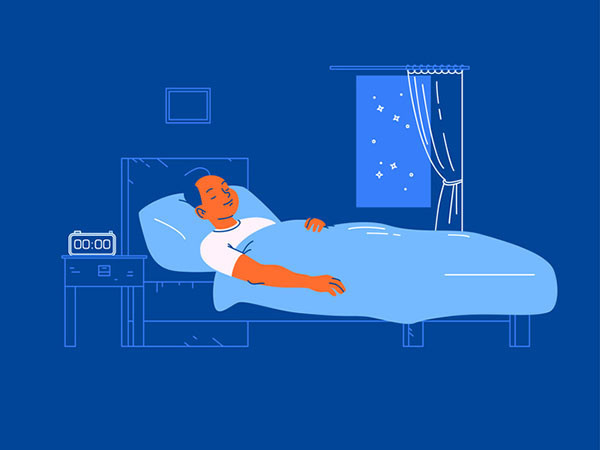
Insomnia affects approximately 10% of adults in the United States, and it is common with mental illness. Insomnia is unlikely to get better on its own if not actively treated. Many people are interested in treatment options that do not involve prescription medications, and a study from Sweden investigated the effectiveness of a weighted blanket on insomnia symptoms for people with insomnia and mental health problems.
Eye-catching media headlines are intended to snag our attention and can influence whether we decide to read, click on, or tune into a story. When it comes health and medicine, though, it’s best to be careful: headlines may be written in a way that is misleading, confusing, or deceptive, so understanding the thinking behind them and focusing on the facts is important.

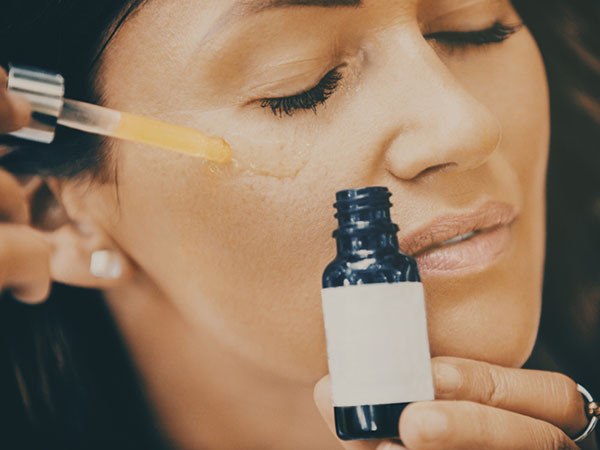
Vitamin C is an antioxidant, meaning it fights harmful toxins that come in contact with your skin either externally or from inside the body. Products containing vitamin C that are applied to the skin may help slow early skin aging, prevent sun damage, and improve the appearance of wrinkles, spots, and acne.
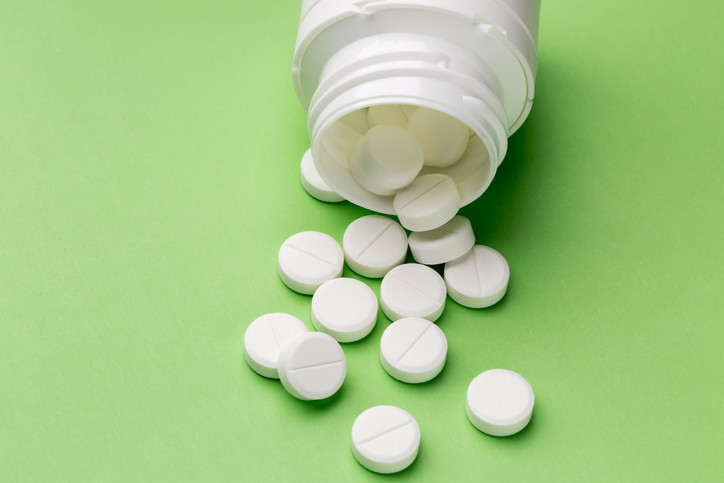
Preeclampsia is a complication of pregnancy that can cause serious health issues. While it can happen during any pregnancy, certain risk factors increase its likelihood. Now, a statement from the US Preventive Services Task Force supported by a review of research recommends that doctors prescribe a low-dose daily aspirin for those at risk.
Almost everyone has a challenging relationship with someone in their life, and it may be someone you see only once a year. As we anticipate upcoming holiday gatherings, there are ways to prepare to navigate tricky situations and conversations thoughtfully and calmly.
Social media can connect people across the globe, with a potential audience of millions of users. But no matter how many likes a post gets, it can feel like it’s not enough, opening users — particularly young people — to potential mental health issues, and raising the question of whether the government should impose regulations on social media companies.
The number of people in the US with Alzheimer’s disease is expected to climb drastically over the coming decades, and two-thirds of those people will be women. Understanding factors that happen earlier in life, and how they impact the brain later, is critical for developing strategies to prevent this public health crisis. Studies are examining the ways menopause affects the brain and how to maintain memory.
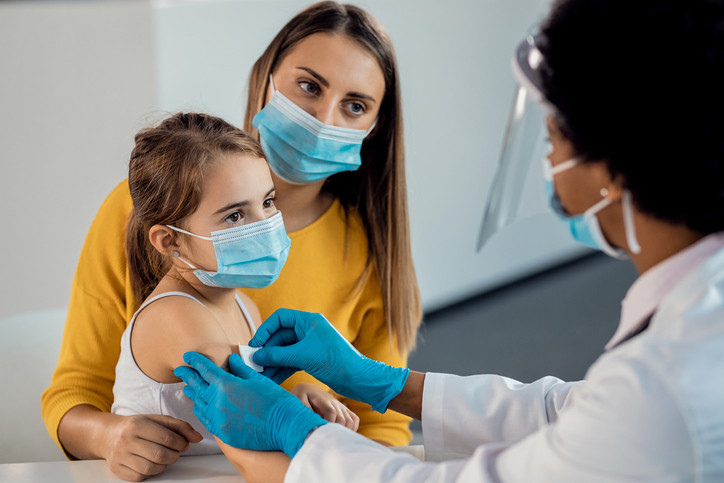
While the FDA has authorized the Pfizer/BioNTech COVID-19 vaccine for children ages 5 to 11, and the CDC recommends it, parents are still likely to have questions about the vaccine and how COVID-19 affects younger children.
As the holiday season approaches again, the desire to gather is tempered by lingering concerns about COVID-19. Rapid COVID-19 tests could provide some reassurance if testing is done as guests arrive at a host’s home, though it’s important to be aware of the limitations of this approach, including cost, availability, reliability, and how results are obtained.
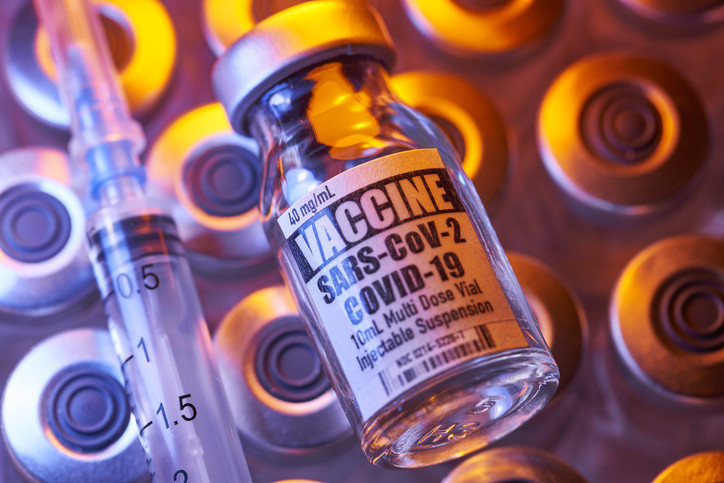
The first vaccines approved in the US to prevent COVID-19 were an entirely new type: mRNA vaccines. Over the past year, they’ve proven unusually effective and safe. How do mRNA vaccines differ from traditional vaccines, and what makes them so exciting?
If you frequently find yourself tripping over your child’s toys, then you know the challenges of getting younger children to clean up. Taking a calm, rational approach and issuing clear and specific instructions will enhance your chances of success.
A recent statement from a group of doctors and scientists raised concerns around taking acetaminophen during pregnancy, but research backing this is based on observational studies and animal studies, so that no firm conclusions can be drawn from it. Here’s what to consider if you’re pregnant.
While considered less harmful than smoking tobacco, vaping is not risk-free, so the FDA’s recent announcement authorizing sales of new vaping products was surprising. Some research suggests e-cigarettes may help some people quit or cut back on smoking, but there are many concerns about their known and potential health risks — especially for children and teens.
Gastroparesis is a condition that causes delay in the emptying of food from the stomach. This can cause uncomfortable symptoms like nausea, vomiting, and abdominal pain, and can affect nutrition and quality of life. Treatment may involve medication or a procedure, but a correct diagnosis is necessary first.
If you’re breastfeeding, you may have questions about the COVID-19 vaccines. Experts agree that people who are breastfeeding should receive the vaccine to help them and their baby stay healthy. Get informed by consulting trusted health sources, and talking with your medical providers about your options.

Free Healthbeat Signup

Get the latest in health news delivered to your inbox!

Stay on top of latest health news from Harvard Medical School.

Plus, get a FREE copy of the Best Diets for Cognitive Fitness.

This site is protected by reCAPTCHA and the Google Privacy Policy and Terms of Service apply.