

Harvard Health Blog
Read posts from experts at Harvard Health Publishing covering a variety of health topics and perspectives on medical news.

It isn’t easy to get rid of a harmful habit like drinking too much, or to make healthy changes like losing weight and exercising more. Media stories often sugar-coat changes like these, making them seem easier than they really are. In a moving essay in the American Journal of Health Promotion, Michael P. O’Donnell (the journal’s editor) describes his dad’s efforts to become healthier for his sake and the sake of his family. There was no monumental struggle, no epiphany—just a regular guy doing his best each day to become healthier for his sake and for his family. It’s a truly inspiring story.

As summer winds to a close, many school age children are reluctant to greet another school year. Who can blame them? Swapping swimming, lazy days, camp activities, and late nights for classrooms, homework, and early morning bus rides isn’t much of a trade at all. For some children, reluctance turns into school refusal. This goes beyond an occasional “I hate school” or “I don’t want to go to school today.” Children with school refusal may sob, scream, or plead for hours before school in an attempt to stay home. They may often complain of illness and run home from school if forced to go. Absences can last weeks or even months. The problem may start at any point but common triggers are the start of a new school year, making the transition to a new school (middle school to high school, for example), or returning from school vacation. School refusal often stems from an anxiety disorder, according to Coping with Anxiety and Phobias, a new Special Health Report from Harvard Medical School. Helping a child through school refusal often takes concerted effort from the parents, school staff, a therapist, and the child.
When it comes to lowering cholesterol, a “portfolio” diet that includes cholesterol-lowering foods is better. In a head-to-head trial, the portfolio approach lowered harmful LDL by 13%, compared to a 3% reduction for a traditional low-fat diet. Elements of the portfolio diet included a daily handful of nuts; two teaspoons of margarine enriched with plant sterols; two servings of foods rich in soluble fiber, such as oatmeal, psyllium-enriched cereals, barley, and vegetables such as okra and eggplant; and two servings of soy-based foods, such as a glass of soy milk or a soy burger.
Although a recent article on healthy aging in the Washington Post suggested that taking vitamin E can help men prevent prostate and other cancers, that isn’t what the evidence shows.
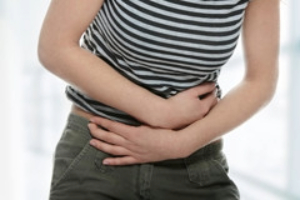
Millions of Americans—most of them women—suffer from a bladder condition known as interstitial cystitis. According to a new study of this disorder, fewer than 10% of women with symptoms of interstitial cystitis are actually diagnosed with the disorder, even though it severely affects their lives. Without a proper diagnosis, women with interstitial cystitis are missing out on treatments that might bring them some relief.
Are you worried that certain rituals might be obsessive or compulsive? If they aren’t interfering with your ability to function, relax. It’s obsessive-compulsive disorder (OCD) only when obsessions and compulsive behavior become so severe that they interfere with your ability to work or have relationships. These behaviors help people with OCD deal with overwhelming feelings of anxiety that are usually triggered by intrusive images and thoughts, explains Dr. Jeff Szymanski, a clinical instructor in psychology at Harvard Medical School and author of The Perfectionist’s Handbook, which will be published in September. A combination of medications and psychotherapy can help many people with OCD live more balanced lives. A mainstay of treatment is called exposure and response prevention—a sort of “face your fears” therapy.
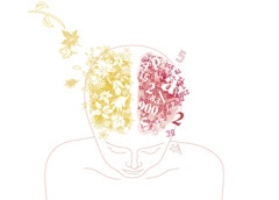
One way to experience happiness is to go with the “flow.” Flow is a state of intense absorption in which you lose awareness of time. It occurs when you strike the right balance between challenge and skill. It is also one of the elements that help create happiness. No matter what your natural tendency, recognizing how flow occurs (or doesn’t) in your life and creating opportunities for more flow experiences can be a potent route to increased happiness. A new report from Harvard Medical School, called Positive Psychology, explores both time-tested and modern avenues to happiness, including flow, expressing gratitude, and developing self compassion.

One of the newest therapists at Harvard Medical School is a 4-year-old Shih-Tzu who recently joined the school’s Countway Library as a registered therapy dog. From the confines of his very own office, Cooper is on duty at the Countway to help students, staff, and faculty members who need a little midday stress relief.
Millions of people take nonsteroidal anti-inflammatory drugs (NSAIDs) such as ibuprofen (Advil, Motrin and others), naproxen (Aleve, Naprosyn, and others), and celecoxib (Celebrex) to relieve pain and inflammation. During the last few years, researchers have raised concerns that taking these drugs often may be hard on the heart as well. The latest study, published in the July 2011 issue of the American Journal of Medicine, suggests that regular use of NSAIDs poses a special problem for people who already have heart disease, boosting their chances of having a heart attack or stroke. This research doesn’t mean that people with high blood pressure and heart disease should stop taking NSAIDs, especially if they are used to ease pain from a chronic condition like arthritis. But it may make sense to try an alternative first.

Is sunlight addictive? That provocative idea was raised by Dr. David Fisher, chief of dermatology at Massachusetts General Hospital in Boston, in a presentation at Harvard Medical School. He cited new evidence suggesting that being in the sun stimulates the so-called “pleasure center” in the brain and releases a rush of feel-good chemicals like endorphins, much as happens with addictive substances or activities. Why? Humans need vitamin D to survive. Once upon a time, it came mainly from skin—skin exposed to sunlight makes vitamin D. So the feelings of pleasure we get from sunlight may be part of a survival mechanism to get us the vitamin D we need.
Feeling tired? If so, it’s not surprising. Fatigue is one of the most common problems people report to their doctors. But fatigue is a symptom, not a disease. Different people experience it in different ways. The tiredness you feel at the end of a long day or after a time zone change might feel similar to that resulting from an illness. Fatigue from stress or lack of sleep usually subsides after a good night’s rest, while disease-related lethargy is more persistent and may be debilitating even after restful sleep. Either way, you don’t have to live with it. You can find out what is causing you to feel tired and discover what you can do to renew your energy levels.
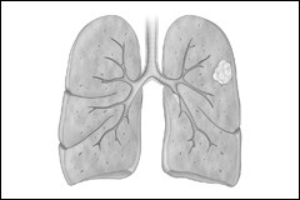
Routinely checking smokers for early signs of lung cancer hasn’t translated into fewer deaths. New results from the National Lung Screening Trial indicate that yearly low-dose CT scans can reduce the death rate from lung cancer by 20%, which could save up to 30,000 lives a year. Despite the encouraging results, it is too early to recommend that heavy smokers immediately begin getting yearly CT scans for lung cancer. The physical, emotional, and monetary costs of saving these lives with yearly screening would be enormous. Researchers must look carefully at the financial and personal costs to determine who, if anyone, might benefit most from lung cancer screening.

After two decades of dithering, the FDA has announced its proposed new rules for sunscreens. Under the rules, sunscreen makers would be expected to test products for their ability to screen out ultraviolet B rays (UVB), which are largely responsible for sunburn) and ultraviolet A rays (UVA), which contribute to premature aging of the skin, wrinkles, and the development of skin cancer. Products that protect against both UVA and UVB will be labeled “Broad Spectrum.” The FDA is also proposing an upper limit of 50 for the sun protection factor (SPF) and wants to get rid of claims that a sunscreen is waterproof, sweatproof, or a “sunblock.”

A symposium on complementary and alternative medicine put on by Massachusetts General Hospital’s Mood and Anxiety Disorders Institute indicates that a handful of so-called natural supplements may be worth trying against depression and other mood disorders. The symposium focused on several for which there is good evidence. These include omega-3 fats, St. John’s wort, maca root, and valerian. Just because these remedies come from plants and animals doesn’t automatically mean they are safe. Herbal remedies have unwanted side effects and can interact with medications just like antidepressants and other drugs do. Talk with your doctor before trying any alternative approach, especially if you take any medications.
More than 18,000 clinical trials are underway right now in the United States, covering nearly every aspect of health and disease. Harvard Heart Letter editor P.J. Skerrett describes his experience as a volunteer in a clinical trial called TINSAL-T2D at the Joslin Diabetes Center in Boston.
Johns Hopkins researchers found that 40% of hospital Web sites promote robot-assisted surgery, even though little evidence shows it’s better than conventional methods.
The findings were presented at the American Urological Association annual meeting in May 2011.
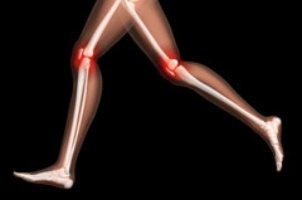
Patellofemoral pain syndrome, also known as runner’s knee, makes it painful to walk up and down stairs, get out of the car, and, of course, run. It happens when the kneecap doesn’t run smoothly up and down its track—a groove called the trochlea. Although anyone can get patellofemoral pain syndrome, it is more common in women than men—especially in mid-life women who’ve been running for many years. Strengthening the quadriceps (thigh) muscles and stretching the iliotibial band, connective tissue that runs from the knee to the hip, can help, as can cutting back on exercises or movements that put repetitive force on the knees.
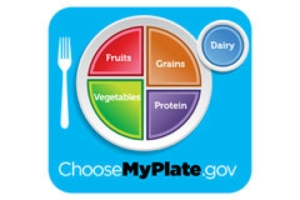
With much fanfare, the USDA launched MyPlate, a replacement for the outdated and much-maligned Food Pyramid. The colorful quarters of the plate–green for vegetables, red for fruits, orange for grains, and purple for protein–are aimed at nudging Americans away from meals dominated by meat and starch and towards meals made up mostly of plant-based foods. It offers information on portion sizes and sends the message that a balanced meal should be at least half vegetables and fruits. But it ignores important issues like what are the healthiest choices for grains, protein, and fat. Nor does it counsel Americans to avoid the sugary baked goods, breakfast cereals, and drinks, and the salty processed foods and snacks, that make up a big chunk of the average American’s daily caloric intake. In spite of its shortcomings, MyPlate is better than the old pyramids–may they rest in peace. But whether MyPlate will help stem Americans’ frightful eating habits is anyone’s guess.
Two volunteers testing the new “Harvard Medical School 6-Week Plan for Healthy Eating” may have come to the end of the plan, but both are just beginning their independent journeys to a lifetime of healthy eating. Helen Hoart and Tonya Phillips talk about the goals they set for themselves, whether they achieved them, and their dietary plans for the future.
Nutritionist Sheila Wolfson spoke about healthful eating for men who have been diagnosed with prostate cancer at the Massachusetts Prostate Cancer Coalition’s 14th annual symposium in May 2011. A good diet, she said, can boost energy and improve quality of life.
For the first time, a study measures the impact of prostate cancer treatment on the quality of life of gay men.
Study examines the post-surgical complications and safety of robotic prostatectomy among one group of surgeons.

One of the big health news stories of 2007 was a study showing that your friends influence your weight. A new study from Arizona State University suggests that this happens because people consciously and subconsciously change their habits to mirror those of their friends. Here’s an example: You’re at a restaurant with friends and the waiter brings over the dessert menu. Everyone else decides not to order anything, so you pass, too, even though you were dying for a piece of chocolate mousse cake. The study provides another motivation for making healthy diet choices—in addition to helping your weight, it could help your friends and family members weights, too.

