Recent Articles

Harvard Health Blog

Read posts from experts at Harvard Health Publishing covering a variety of health topics and perspectives on medical news.

 
Ticks and the diseases they carry have long been recognized as health concerns, especially in the warmer months when ticks (and humans) are more active. Ticks wait on grass tips or shrubs to latch onto new hosts when they brush by. Most of the hosts are animals, but a few tick species do bite and feed on humans. While doing so, they can transmit bacteria and viruses through their saliva.
A Netflix original movie about a young woman’s struggle with anorexia nervosa is raising questions among parents about whether the movie might glamorize the disorder, and how best to talk to children about this topic.
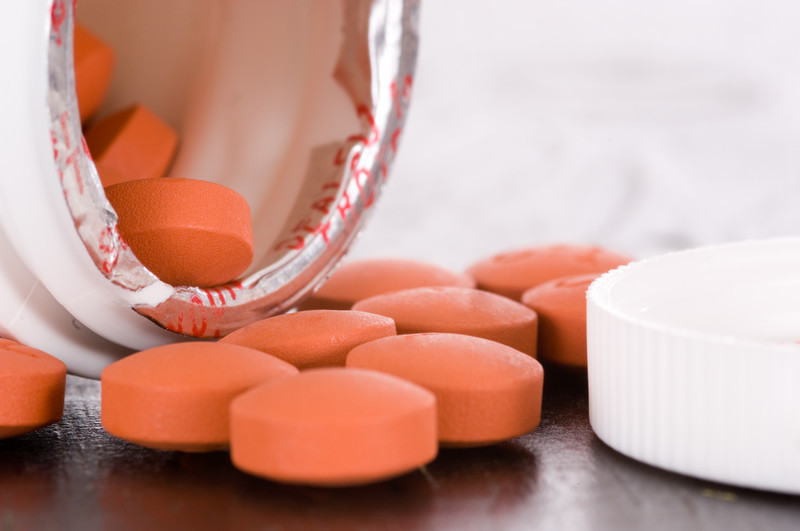
Not long ago, I took ibuprofen after a dental procedure and was amazed at how well it worked. Millions of people have had similar experiences with ibuprofen and related medications (called non-steroidal anti-inflammatory drugs, or NSAIDs) when used for a number of conditions, including arthritis, back pain, and headache. That’s why NSAIDs are among the most commonly prescribed drugs worldwide.
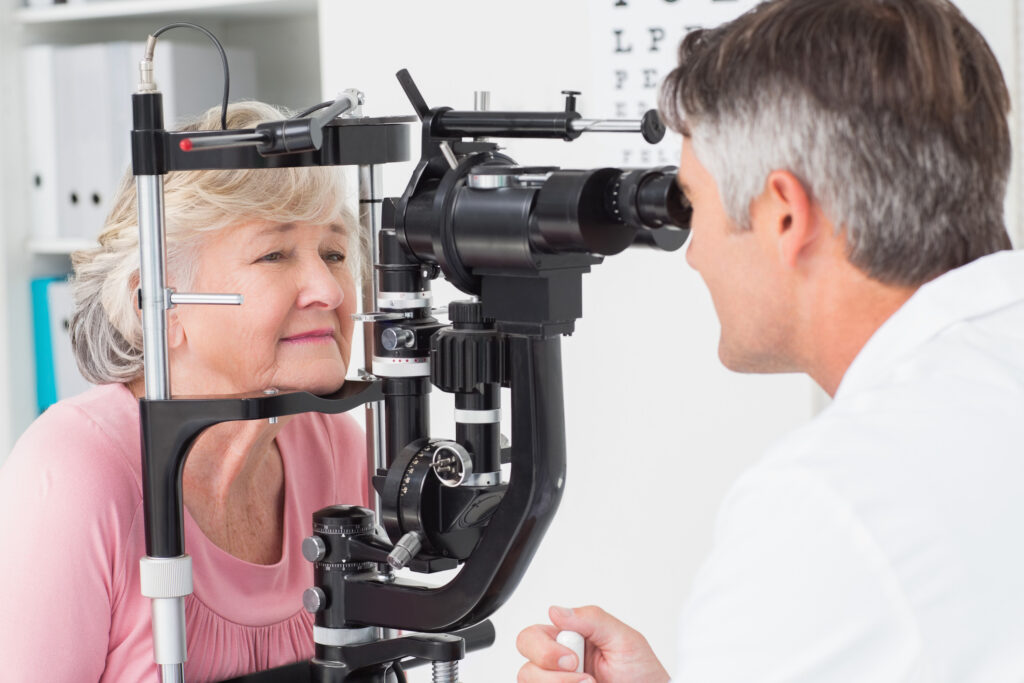
There it goes again: a big blob or “floater” drifting across my right eye. It’s not dangerous and it doesn’t hurt, but it sure is annoying having cloudy vision for a few seconds until the blob moves on. I have quite a few floaters — so do a lot of middle-agers — and I’ve learned to live with them, since there’s never been much in the way of treatment. But that may be changing.
I have always been accident-prone. It wasn’t unusual for me to suddenly lose my balance while walking down an even-paved path as though someone had slid a banana peel in front of me. I’d slam down hard on the ground, skinning knees and elbows. I once fell off a boardwalk on my bike into a swamp, my body casting an impressive outline in the reeds — like a cartoon character who has run through a wall. My body was often a landscape of bruises and scabs, while most of my dishes were doomed to break at some point, causing consternation among my roommates. The dishes were just some of the casualties of my clumsiness, for which I was sometimes scorned and scolded by teachers, parents, and boyfriends.
Decades of research show that yoga can reduce the emotional and physical fatigue brought on by cancer treatment. Now researchers have shown for the first time that’s also true specifically for men being treated for prostate cancer. Men who took a yoga class twice a week during treatment reported less fatigue, fewer sexual side effects, and better urinary functioning than men who did not, according a new study. “The data are convincing,” said the study’s principal investigator, Dr. Neha Vapiwala, an associate professor of radiation oncology at the University of Pennsylvania School of Medicine in Philadelphia. “What we need now is a better understanding of how and why yoga produces these benefits.”
When I saw the brochure for the Harvard Medical School Lifestyle Medicine conference, I was intrigued, and determined to attend. Why? Because how we live can either spur on or help prevent some of the biggest threats to health like diabetes, high blood pressure, high cholesterol, and heart disease.
Imagine you were asked to complete a series of math problems, ones just hard enough to require your attention and focus, but nothing you couldn’t handle. Now, imagine you were intermittently interrupted from these math problems and asked to remember a random list of letters. This might be even tougher.
Confession: I hardly go food shopping anymore. Too many choices and too many square feet in the grocery store make grabbing a few ingredients more like a dizzying test of attention and focus. Fortunately, my husband Jay is our hunter-gatherer. When he has a question about a particular item, he texts me — usually about some new food term. “Organic tomatoes or conventional?” he’ll ask, or “Is farm-raised salmon okay?”
For diet soda fans, recent news reports linking these popular drinks to higher risk of stroke may have been alarming. A closer look at the study behind the headlines suggests there’s no need to panic. But beverages naturally low in calories are probably a healthier option than artificially sweetened drinks.
A small study supports the idea that exercising improves body image, whether or not the activity leads to any visible change in appearance. This suggests that additional research examining different types of exercise, and the long-term psychological effects of physical activity would be valuable.
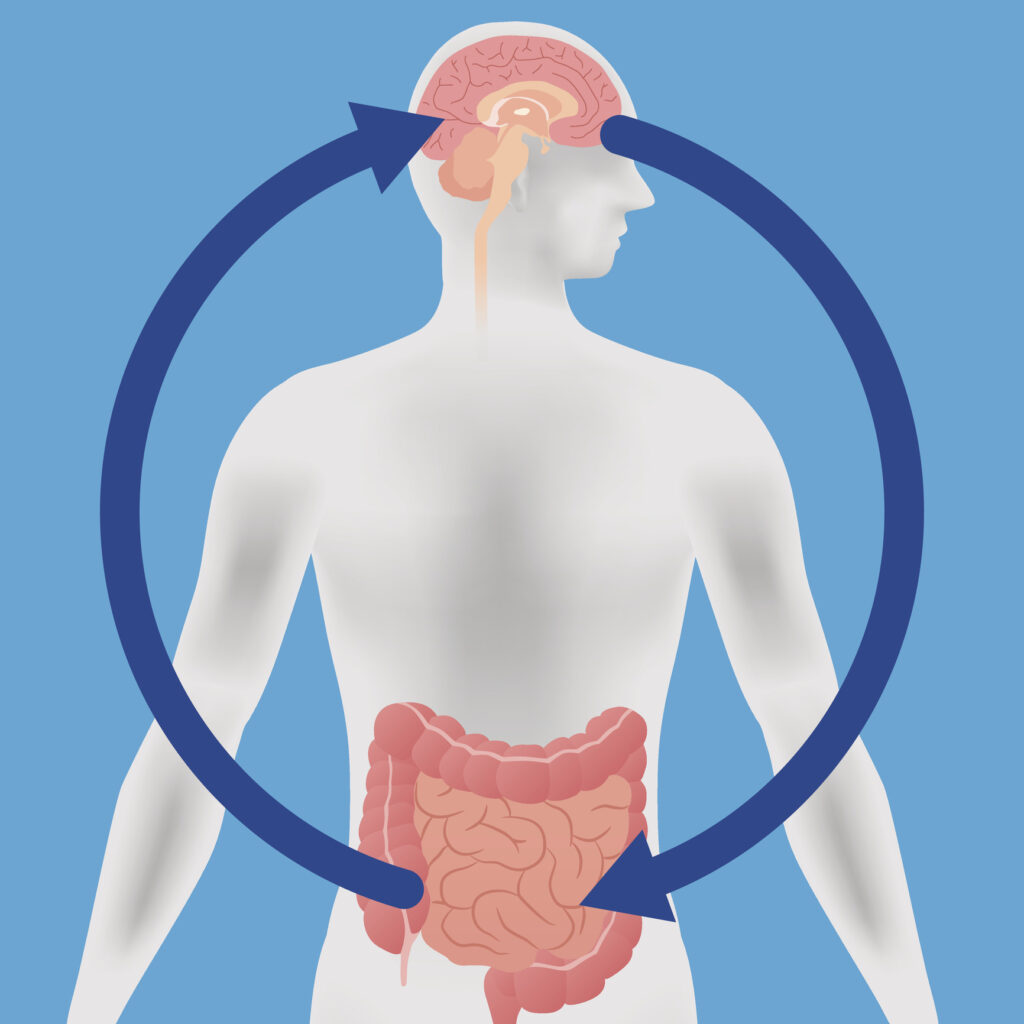
There is a lot of interest right now in the human microbiome (the populations of bacteria that live in various parts of the body, including the intestine, skin, and lungs). We now know that there are approximately 10 times as many bacterial cells as human cells in the body. The vast majority of these bacterial cells are in the intestinal tract, and they serve many purposes, including digesting foods, manufacturing certain vitamins (for example, vitamin K), and regulating our immune system. Researchers are actively studying whether changes in intestinal bacteria can increase the risk of chronic illnesses, such as obesity or inflammatory bowel disease.

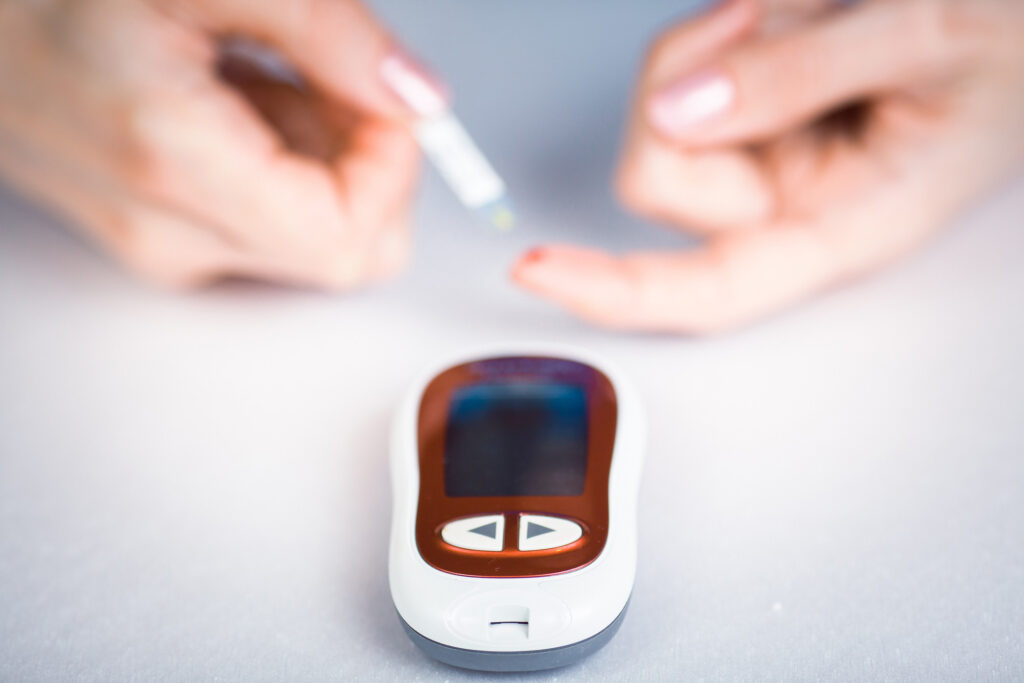
It’s a central tenet of diabetes treatment: monitor the blood sugar closely, then adjust your diet, exercise, and medications to keep it in a good range. And that makes sense. Poorly controlled blood sugar is a major risk factor for diabetic complications, including kidney disease, vision loss, and nerve damage.
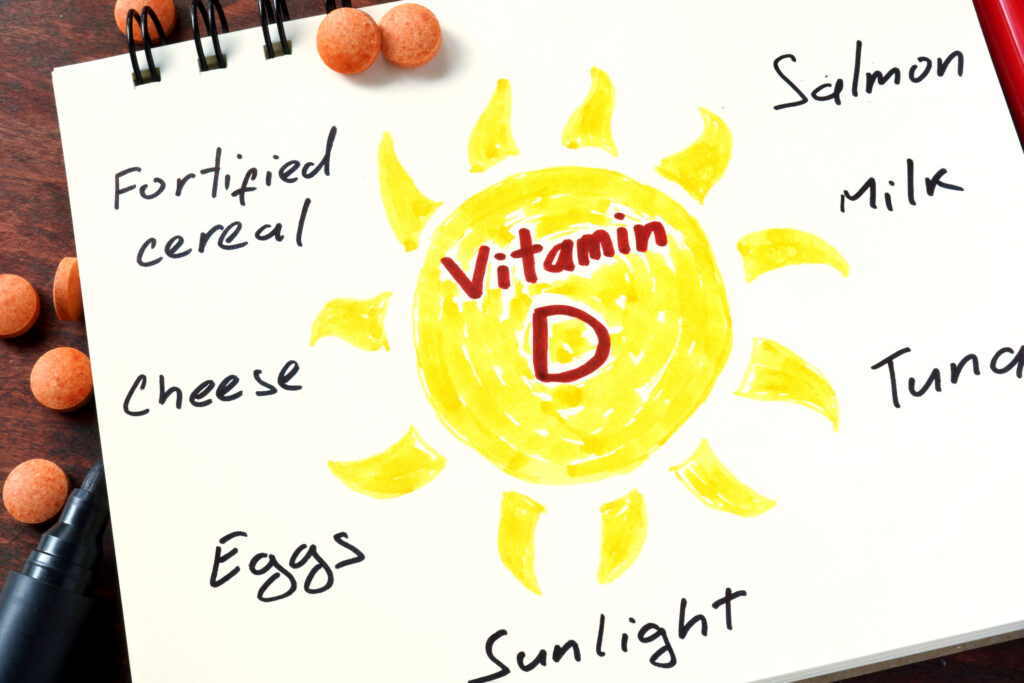
Over the July 4th weekend, my non-physician husband with a history of skin cancer tried to justify not wearing sunscreen in order to get some vitamin D. My husband, of course, has no idea how much vitamin D he needs or why, and I suspect he is not alone.
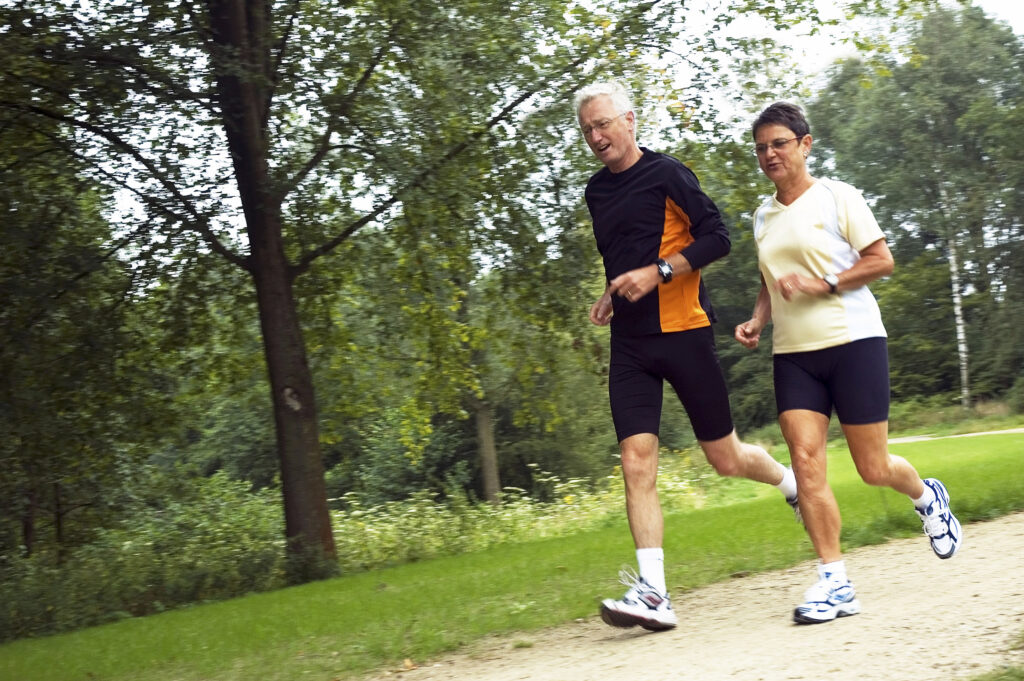
There are exercise guidelines, of course. One of the most widely quoted physical activity recommendations comes from the US government’s Office of Disease Prevention and Health Promotion that recommends everyone exercise at a moderate or greater intensity for at least 150 minutes a week (or 30 to 45 minutes most days of the week). While this may sound reasonable enough, most people don’t follow it. The reasons are many and diverse, but a common one is that physical activity is not part of the daily routine. For example, increasingly we do not rely on walking or biking to get to work.
As currently structured, the American health care system makes it very difficult for those with chronic illnesses to manage their conditions, causing them to perform the equivalent of unpaid labor.
With all the outdoor activities available to kids during the summer, it’s a good idea to take a moment to consider these tips to make sure everyone plays and stays safe.
If you or your child has ever had acute conjunctivitis or “pink eye,” you know how nasty it can be. “Crusty,” “goopy,” “bloodshot,” “itchy,” and “gritty” are all common words used to describe the eye condition that affects some six million people in the US every year.
It’s no secret that alcohol affects our brains. Although excessive drinking is linked to an increased risk of dementia, decades of observational studies have indicated that moderate drinking has few ill effects. However, a recent British study seems to have bad news for moderate drinkers.
We all know the drill by now: the healthiest diets are those with a good balance of protein, carbohydrates, and healthy fats with an emphasis on high fiber, whole grains, and modest portion sizes. Vegetables play a featured role in most healthy diets.
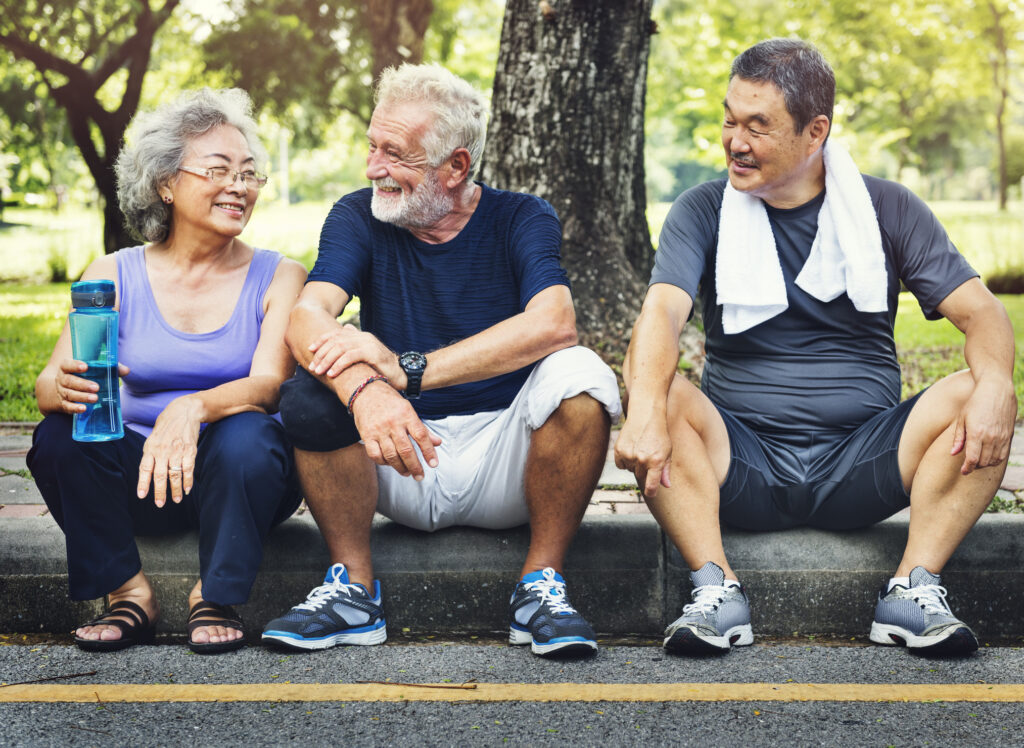
I often prescribe exercise for my patients, sometimes more than once in the same visit — exercise for cardiovascular health, weight loss, stress management, lifting mood. Scientific evidence strongly supports the benefits of activity for all of these things. Plus, it’s free, and there are few side effects or medication interactions.
Headed to the beach or a day out on the lake? Most likely you’ll protect yourself from the sun with sunscreen, a hat, and sunglasses. Maybe you also take along insect repellent. But how good is your water safety knowledge? You can’t tuck it in a beach bag or backpack, but it’s essential to a good day on the water.
My Facebook page is a collection of links to stories about inspirational people. Almost all have a common theme — older people who do extraordinary things. Some of my favorite stories, though, involve those with acute mental prowess. This special group of adults ages 60 to 80, called “super-agers,” have a higher resistance to natural brain aging and thus can keep their gray cells young and vibrant.
Charlie Schmidt A standard approach for treating aggressive prostate cancer is to give therapies that block testosterone, a tumor-stimulating hormone. Should initial hormonal therapies fail, doctors can switch to other drugs that suppress testosterone in different ways. One of them, a drug called abiraterone, has been shown to significantly extend lifespans in men who have […]

Free Healthbeat Signup

Get the latest in health news delivered to your inbox!

Stay on top of latest health news from Harvard Medical School.

Plus, get a FREE copy of the Best Diets for Cognitive Fitness.

This site is protected by reCAPTCHA and the Google Privacy Policy and Terms of Service apply.