Harvard Health Blog
Read posts from experts at Harvard Health Publishing covering a variety of health topics and perspectives on medical news.
The monkeypox outbreak currently traveling around the globe is the largest ever recorded outside of western and central Africa. Controlling this virus demands preventive measures, and one method that has worked to contain previous disease outbreaks may be effective for monkeypox as well.
Splashy advertisements suggest that compression devices called waist trainers can help you sculpt inches off your waistline. The claims far outweigh the evidence, but exercises that strengthen core muscles can also help shape your waist.
Wheelchairs allow millions of Americans with mobility disability to participate in daily activities and engage in community life. But when a wheelchair needs to be repaired, delays can mean a person is unable to leave their home or manage daily tasks for days.
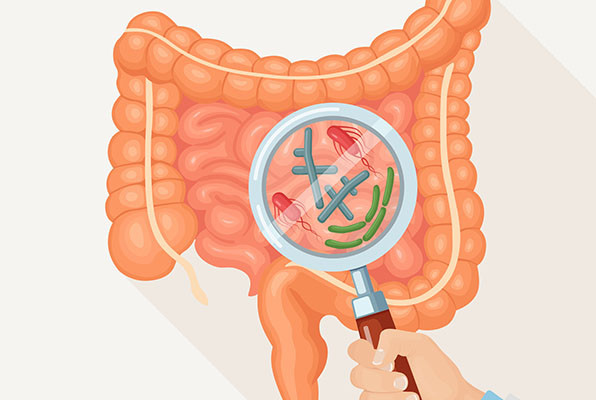
The bacteria C. diff is responsible for half a million infections each year in the US. Many infections happen when people are hospitalized, but a recent report indicated that people can be infected without ever being hospitalized.
A side effect of many psychiatric medications is weight gain. Antidepressants, antipsychotics, anti-anxiety and sleep medications, and mood stabilizers can all affect metabolism in ways that lead to increased weight, so it’s important to know what you can do to lessen this unwanted effect.

Inflammatory bowel disease is commonly diagnosed at a point in life when many people are planning families. People who have been diagnosed with IBD are likely to have questions and concerns regarding fertility, conception, pregnancy, delivery, and breastfeeding.
A recent study suggested a vegan diet is an effective treatment for rheumatoid arthritis, and its lead author also said that people should try changing their eating patterns before turning to medication. But there is no evidence that changes in diet can prevent joint damage that occurs in rheumatoid arthritis.
Asthma is the most common chronic lung disease in children, and it can make life more difficult and less enjoyable for both children and their parents. The good news is that asthma is very treatable; here’s what families need to know.
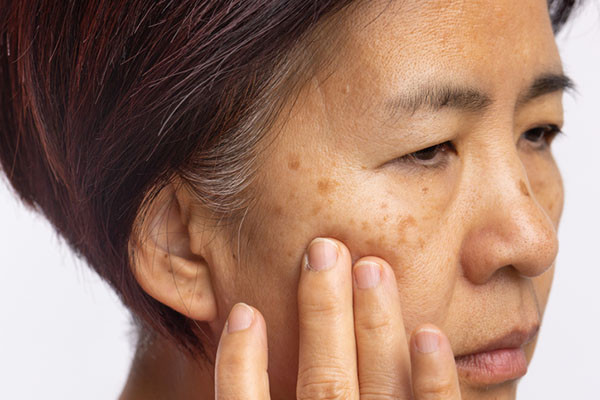
Melasma is a skin condition affecting mostly women with darker skin. It cannot be fully prevented in those most likely to develop it, and there is no cure, but consistent sunscreen use is critical, and numerous treatment options are available.
A mask-free, implanted device for sleep apnea that works by stimulating the tongue was approved by the FDA in 2014 as a second-choice treatment for people who are unable to tolerate a positive airway pressure machine.
Thanks to vaccination, the US has been polio-free since 1979, and the spread of this disease has been interrupted in most countries. But worldwide eradication of polio has been elusive, and traces of the virus were recently found in wastewater in London.
There are several types of “sun allergies,” including polymorphous light eruption (PMLE), hives, and photoallergic reactions. Learn about these different reactions to sun exposure, as well as prevention and treatment.
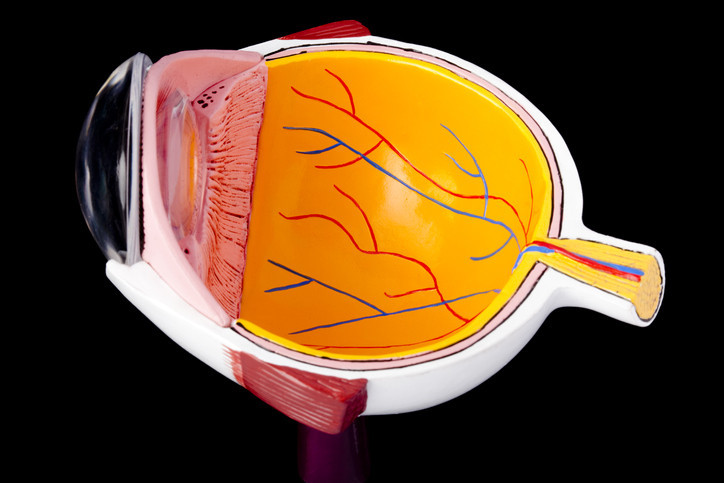
While not as routine as cataract surgery, corneal transplants are becoming more common. A number of things can go wrong with the cornea, especially as people get older, and a partial-thickness or full-thickness transplant can restore vision.
Active surveillance allows men with low- or intermediate-risk prostate cancer to avoid temporarily the side effects of invasive therapies, but men often feel anxious about their cancer. Emerging evidence suggests there may be a middle path between no treatment and aggressive therapies.
Could just 10 foods substantially impact your risk of dying from a cardiometabolic disease (CMD) like type 2 diabetes, heart disease, or stroke? Maybe. A study published in JAMA provides some insight into the degree to which 10 specific foods and nutrients affect the risk of dying from CMD.
Being self-employed can offer advantages like flexibility and autonomy in a person’s work life. Now, data from a long-term health study suggests that self-employment may provide another benefit for some women: improved health outcomes.
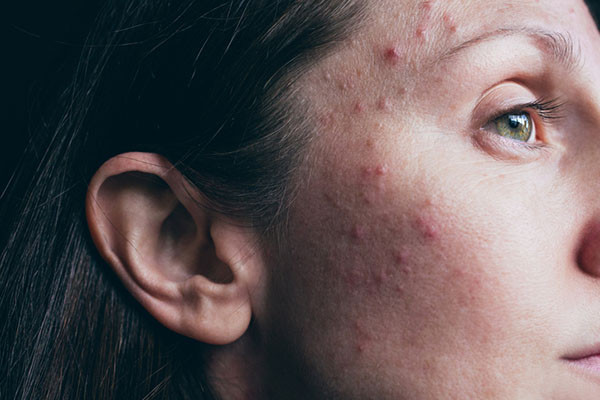
Women are more likely to get acne after age 20 than men. Unfortunately, treatment options that worked in the teenage years may not work as well in adult females. The emotional toll of acne may include a higher risk of developing depression, and having severe acne can negatively affect quality of life.
There is no way to prepare for the many shades of grief, which can lead to illness as well as distress. While each person navigates grief differently, the experience of others and broad advice on how to cope may offer comfort.
Thunderstorm asthma is an attack that starts or worsens after a thunderstorm. It can occur in anyone with asthma, but it most often affects people with seasonal allergies. There are several risk factors that make experiencing this phenomenon more likely, so it’s important to know what these are.
High temperatures raise risk for heat exhaustion and heat stroke, and also stress the cardiovascular system, making the heart work harder. If you have a heart condition, here’s how to keep cool and protect yourself when temperatures rise.
Alzheimer’s disease and other forms of dementia are something we think of as diseases of old age. Memory loss is a common symptom, and something that people in midlife also experience — but young onset dementia is very uncommon.
Some people decide to adopt a vegan diet because of concerns about the health effects of eating animal products; for others it’s more about concern for animal welfare and the environment. Regardless of the motivation, those who want to make this change should anticipate potential pitfalls and be aware of issues specific to vegan eating.
Low back pain is a leading cause of disability worldwide. A recent review of dozens of studies suggests that combining physical therapy with psychological approaches to treating pain led to better overall results in improvement of pain.
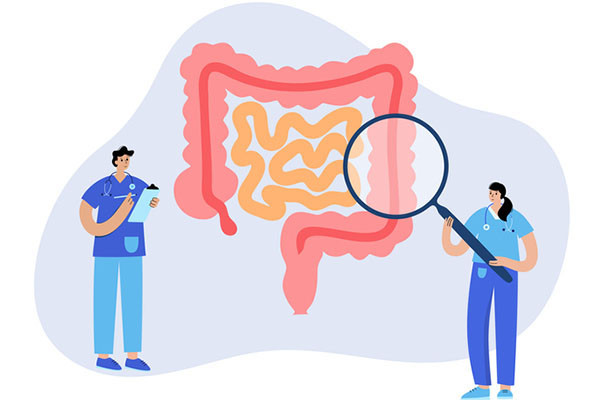
Colorectal cancer is the second leading cause of cancer deaths in the United States, and rates are rising, particularly in younger people. It can be prevented with screening tests; there are several different types of tests that are performed in different ways, and guidelines for when testing should begin and how often people should be tested.