Harvard Health Blog
Read posts from experts at Harvard Health Publishing covering a variety of health topics and perspectives on medical news.
A study found that people with mild cognitive impairment who did crossword puzzles regularly showed modest improvement in cognition and less brain shrinkage. Will doing crossword puzzles be helpful to people whose thinking and memory are normal?
Social media and apps about babies and children can fuel worries about a child’s development. It’s important to remember that every child is different and may move through stages of development at varying paces.
Another holiday season is here, and this year we need to contend with other viruses besides COVID-19. Three Harvard experts share their thoughts on the best ways to keep ourselves and our family members healthy as we celebrate holidays together.
The CDC’s 2016 guidelines for prescribing opioid medications aimed to reduce deaths from overdose. Recent revisions to these guidelines aim for refinement while emphasizing safety and the importance of finding the best treatment solution for each person.
The holiday season is probably the hardest time of year to resist rich, indulgent foods, but too many salty, fatty, sugary choices can harm your health. Instead, try adding natural flavor to holiday foods with herbs and spices, many of which contain substances that have a beneficial effect on health.

New regulations allow Americans to buy hearing aids over the counter, without requiring a hearing test. These devices will cost less and can only treat mild to moderate hearing loss––will they be right for you?
The prescription drug Adderall has been in short supply for months. How widespread is this problem, and what are the consequences, and possible solutions, for adults who rely on this medication to manage ADHD?
An ad campaign sponsored by the milk industry claims that milk is better than water for hydration. A few studies appear to support the claim, but they involved a small number of subjects and have important limitations.
Flooding due to major storms or heavy rains can harm lung health, both from toxic contaminants that end up in the air and from the growth of mold caused by dampness. Taking steps to prevent flooding when possible and moving quickly to reduce health risks if flooding occurs can help protect your family’s health.
Automatic negative thoughts are reactions that compel people to interpret many situations in unbalanced, upsetting ways. But with practice, people can learn to recognize and disarm distorted thinking.
When prostate cancer spreads beyond the gland, it has been treated with hormone therapy, but there are challenging side effects. A new study shows that a different treatment option involving radiation can allow some men to delay or avoid hormone therapy.
A recent study found that older adults who took a multivitamin daily for three years had improved scores on tests of executive function, memory, and overall brain function, but the study wasn’t large enough, long enough, or diverse enough to rely on its conclusions alone.
Most newborn babies turn a little yellow. This is known as jaundice, and it’s very common in the newborn period. But in some very rare cases it can be a sign of a more serious problem. Here’s what parents need to know about it.
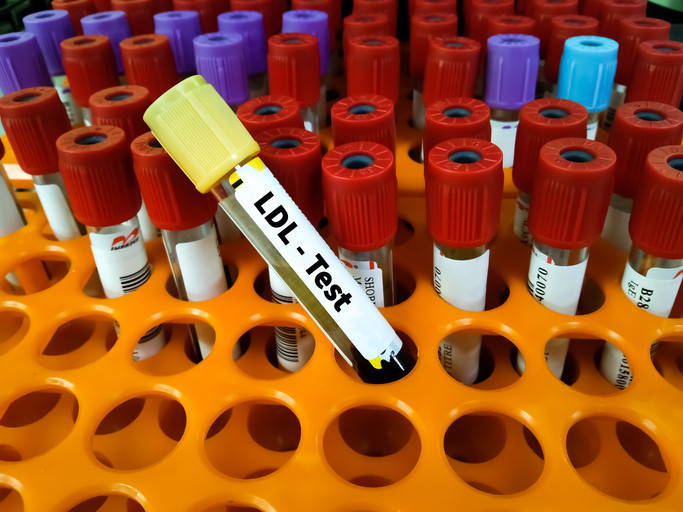
Elevated LDL cholesterol contributes to cardiovascular disease. Taking statin drugs can substantially lower this risk. But what if a person’s LDL level remains too high on their maximally tolerated dose? An expert consensus report lays out a clear path for next steps.
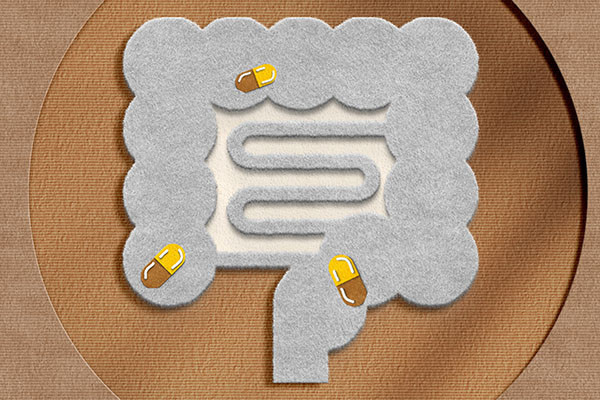
In recent years, treatment options for inflammatory bowel disease have expanded rapidly, with new types of drugs, new medications within existing classes, and new combinations of treatments for some patients.
Light therapy can help improve seasonal affective disorder (SAD). But many people don’t realize that it can also be effective for major depression, and depression that occurs during or after pregnancy (known as perinatal depression).
A recent Harvard-led survey found that nearly 80% of midlife women use cannabis to ease certain symptoms, such as mood issues and trouble sleeping. But does cannabis help menopause symptoms and what are the long-term effects? Here’s what you should know.
Infections and deaths from COVID-19 are still occurring every day in the US, although many people are acting like the pandemic is over. So is it over, or not?
Could identifying early warning signs of psychosis and providing appropriate support change the course of the illness? Early-intervention programs aim to do this with at-risk teens and young adults, and those experiencing a first episode of psychosis.
Life expectancy is one measure of the general health of a population. In the US, life expectancy had been climbing for more than a century — until the pandemic. After dropping in 2020, it dropped again in 2021, and some population groups fared worse than others.
Transcranial magnetic stimulation helps some people with treatment-resistant depression, but the process takes multiple weeks and gets results in only about a third of those who try it. A new approach to delivering this therapy showed promise in a small study.
Colorectal cancer is the second most common cause of cancer death among Americans. A recent study raised questions about the value of screening colonoscopy, which can identify and remove precancerous growths, and our experts weigh in with answers.
When people are going through difficult times, it’s normal to feel a lack of joy. But even while struggling, the ability to find moments of joy can have profound and far-reaching effects on the mind and body.
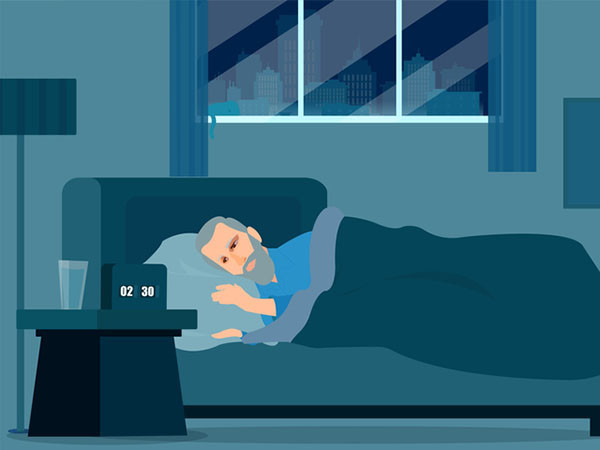
Depression is common among older adults, and insomnia doubles the risk of major depressive disorder. There is increasing evidence that treating insomnia in older people who have both insomnia and major depression has the potential to improve both their sleep and their mood.